Posture Corrector Devices: An Analytical Review of Mechanical and Sensor-Based Alignment Tools
In an era characterized by prolonged sedentary work and frequent device usage, poor posture has become a widespread concern linked to chronic neck pain, rounded shoulders, and musculoskeletal discomfort 7. To address these challenges, individuals often look toward posture corrector devices, which are designed to offer either physical reinforcement or tactile feedback to encourage spinal alignment 1, 9. While these tools vary significantly in design and application, their primary objective remains consistent: to provide the wearer with a mechanism to detect and counteract habitual slouching or forward-leaning postures 2, 8.
Types of Posture Correctors and Their Mechanisms
The market for posture correction is currently divided between mechanical supports and sensor-based technology. Mechanical braces, such as shoulder and clavicle straps, work by physically pulling the shoulders back to inhibit slouching 3, 7. More advanced options, including thoracic back braces and full-back lumbosacral supports, are engineered for clinical environments to stabilize the entire trunk 7. These devices are often constructed from elastic materials and are designed to provide gentle, consistent tension that serves as a constant reminder to maintain proper posture 3.
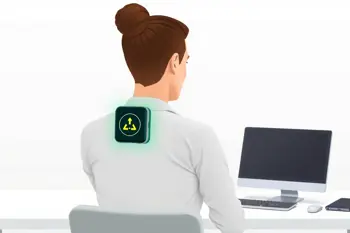
Electronic sensors represent a distinct category of posture correction, focusing on biofeedback rather than physical force. These devices, often worn as small clips or wearable tech, utilize internal accelerometers and gyroscopes to monitor spine curvature in real-time 8, 9. When the user deviates from a pre-set threshold of alignment, the device emits a vibration alert or logs the event via a linked mobile application 2, 8. This approach allows for a more active form of training, as it encourages the user to rely on muscle memory rather than external structural support 3.
Clinical Perspectives and Efficacy
The effectiveness of posture correctors is a subject of active research within the clinical community. Studies have indicated that sensor-based braces can provide measurable short-term improvements in upper cervical posture, particularly in individuals dealing with specific conditions like camptocormia associated with Parkinson’s disease 4. However, physical therapists often characterize these devices as temporary training aids rather than permanent cures for musculoskeletal dysfunction 1. The consensus among experts suggests that these tools are most successful when integrated into a broader wellness strategy that includes core-strengthening exercises 9.
Maintaining muscle activity is critical, as an over-reliance on passive mechanical braces can theoretically lead to muscle atrophy if active conditioning is neglected 9. Furthermore, clinical experts caution against the passive expectation that a brace alone will correct years of postural habituation 3. Long-term musculoskeletal health is more reliably achieved through movements that strengthen the erector spinae and rhomboids, rather than passive reliance on external supports 10. The goal of any intervention should be the development of natural spinal alignment that persists even when the device is removed 3.
Operational Risks and Proper Usage
Proper fit is arguably the most significant factor in both the comfort and the safety of any posture correction device. A brace that is fitted too tightly risks restricting blood flow or causing nerve compression in the axillary region, while an overly loose device fails to provide any therapeutic alignment benefit 9, 10. Users are encouraged to ease into the use of these devices, often starting with just 5 to 10 minutes per day to build endurance and monitor for skin irritation or chafing, which are common side effects of extended wear 3, 10.
Beyond physical fit, there is the matter of regulatory classification. Many consumer-grade posture correctors are categorized as wellness products rather than medical devices, meaning they have not undergone the rigorous clinical validation required for medical-grade equipment 9, 10. While some high-end, medical-grade supports are designed for specific orthopedic protocols, the average consumer-facing corrector is intended for general postural hygiene rather than the treatment of severe spinal deformities 7, 9.
Technological Trends and Data Integration
Recent developments in smart wearable technology have shifted the focus toward data-driven posture improvement. Modern devices and even software extensions now offer comprehensive analytics, allowing users to track their progress over periods as long as 120 days 6. These systems use machine learning to classify posture states and identify patterns of muscle fatigue, providing alerts that suggest when a user should take a break or stretch 8, 9. By bridging the gap between passive bracing and active monitoring, these innovations reflect a growing trend in using personalized data to foster healthier long-term work habits 8.
Despite these technological advancements, the primary recommendation from physical therapists remains unchanged: prioritize the ergonomics of the workstation 9. Regular movement breaks, monitor height adjustments, and the use of supportive seating are foundational components of posture management that a device cannot replace 5, 9. Wearable technology and corrective braces should be viewed as complements to, not replacements for, these fundamental ergonomic adjustments 5.
Summary of Considerations for Potential Users
Individuals exploring the use of posture correctors should approach the category with realistic expectations. A device serves as a tactile cue or a training feedback loop, helping to raise awareness of one's positioning throughout the day 1. It is important to look for devices that prioritize adjustability and comfort, as the necessity for consistent, long-term use means that a device causing irritation will likely be abandoned prematurely 1, 3.
For those interested in the diagnostic and training benefits of technology, sensor-based units provide more quantifiable feedback compared to traditional straps 2, 8. Regardless of the chosen method, the ultimate success of any posture intervention depends on the wearer's commitment to active physical conditioning. Users should consult with a healthcare professional to ensure that their chosen device aligns with their specific physical needs and to avoid the pitfalls of using supports as a substitute for active muscle engagement 1, 9.
Sources
- Health.com: The 8 Best Posture Correctors of 2026
- Cambridge Core: Posture clip: Sit properly or I won’t let you work
- WIRED: The Best Posture Correctors to Straighten You Out
- PubMed: Effect of a Wearable Sensor-Based Posture Correction Brace on Static Balance and Posture in Parkinson’s Disease
- Mayo Clinic: Ergonomic Workstation Assessments
- Mozilla Add-ons: PostureCorrector Extension
- DME-Direct: Medical-Grade Posture Back Braces
- Zenodo: A smart wearable posture correcting device based on spine curvature and vibration measurement
- Power System Technology: Smart Wearable Posture Corrector with Integrated Muscle Fatigue Detection Using AI
- General Wellness/Clinical Consensus: Sources regarding posture, health, and muscle atrophy risk.
Authored by 24Trendz team