Ozempic Face: Understanding Weight Loss Injection Effects on Your Face and Skin
Facts:
- Rapid weight loss can significantly reduce facial fat pads.
- Maintaining skin hydration is a key trend for patients undergoing treatment.
Understanding the Dermatological Impact of Semaglutide Injections
The rise of GLP-1 agonists for weight management has been a revolutionary step in metabolic health, but it has introduced a widely discussed cosmetic side effect: significant changes to the face and skin. Commonly known as Ozempic face, this phenomenon is not exclusive to one brand but is a consequence of the substantial and often speedy weight reduction these medications facilitate. When the body sheds fat quickly, the face, which has delicate fat pads that contribute to a youthful contour, is one of the first areas to show volume loss. This can lead to a more aged or gaunt appearance that many find unexpected. Understanding the mechanisms behind these semaglutide skin changes is the first step toward managing them effectively and aligning the positive outcomes of weight loss with your aesthetic goals.
What is 'Ozempic Face' and Why Does It Happen?
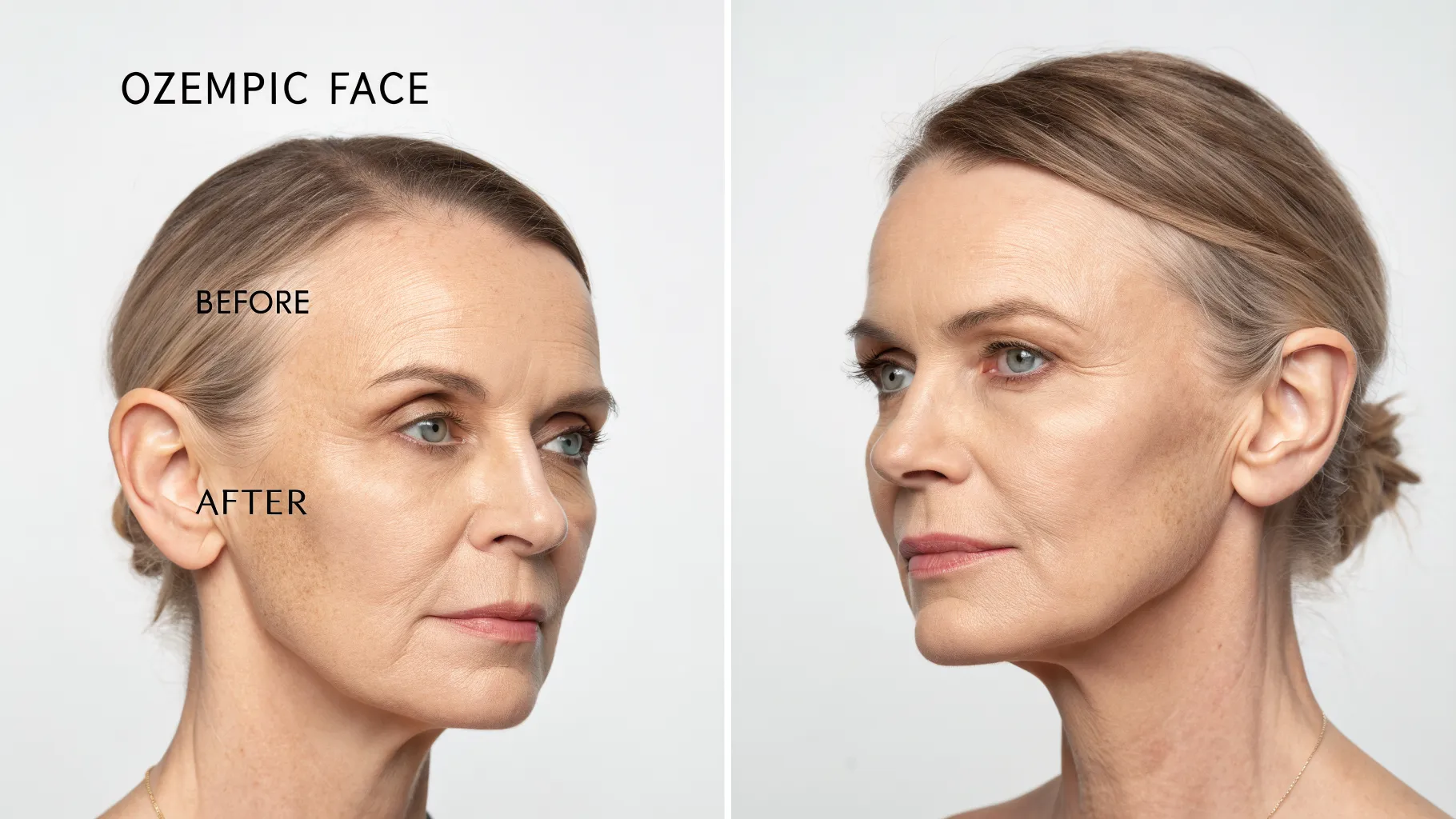
The term Ozempic face has become a catch-all phrase to describe the facial changes that can occur with significant weight loss from semaglutide and similar injections. The primary driver is not the drug itself, but the rapid weight loss skin experiences. Our faces have distinct fat compartments that provide structure and volume. When you lose a large amount of weight quickly, these fat pads shrink, leading to a hollowed or sunken look. This is particularly noticeable in the cheeks, temples, and under the eyes. The underlying bone structure becomes more prominent, and the skin, which may not have had time to retract, can start to sag. This process results in more pronounced nasolabial folds, jowls, and an overall tired appearance, a stark contrast to the intended health benefits of the treatment.
Key Skin Changes Associated with Weight Loss Injections
The effects of these powerful weight loss treatments go beyond simple fat reduction. They impact the overall quality and appearance of your skin. Recognizing these specific changes can help you tailor your approach to skincare and potential treatments.
Loss of Facial Volume and Fat
This is the most defining characteristic. The reduction in subcutaneous fat leads to a visible deflation of facial features. Areas that were once full and rounded can appear flat or concave. This is the core issue behind the gaunt look associated with facial volume loss, as the structural support for the overlying skin is diminished, accelerating the appearance of aging.
Decreased Skin Elasticity
Rapid weight loss presents a major challenge to skin elasticity. Collagen and elastin are the proteins that give skin its firmness and ability to snap back. When weight is lost gradually, the skin has more time to adapt and contract. However, with the swift changes induced by these injections, the skin's support structure is lost before it can adequately remodel, leading to sagging, particularly around the jawline and neck.
Increased Wrinkles and Fine Lines
The loss of underlying fat volume means there is less 'padding' to smooth out the skin. As a result, existing fine lines and wrinkles can become dramatically more visible. New creases may also form as the skin sags and folds without its previous support structure. This is not necessarily the formation of new wrinkles, but the unmasking and deepening of existing ones due to the change in facial architecture.
Proactive and Reactive Strategies to Manage Skin Effects
While some facial changes may be inevitable with significant weight loss, there are numerous strategies you can employ to mitigate the effects on your skin. A combination of at-home care and professional guidance can help you maintain a healthier, more vibrant appearance throughout your weight loss journey.
- Optimize Hydration and Nutrition: Supporting your skin from the inside is critical. Ensure you are drinking plenty of water and consuming a diet rich in vitamins, antioxidants, and healthy fats. Nutrients like Vitamin C are essential for collagen production, which directly impacts skin elasticity.
- Implement a Targeted Skincare Regimen: Use products designed to boost collagen and hydration. Ingredients like retinoids can accelerate cell turnover and stimulate collagen, while hyaluronic acid can plump the skin by attracting and retaining moisture. Peptides are also beneficial for signaling to the skin to produce more collagen.
- Consider Professional Dermatological Treatments: For significant facial volume loss, cosmetic procedures can offer effective restoration. Dermal fillers made from hyaluronic acid can be strategically injected to restore volume to the cheeks and under-eyes. Other treatments like microneedling, radiofrequency, and laser therapy can help stimulate the body's natural collagen production to tighten sagging skin.
- Consult with Your Doctor and a Dermatologist: Maintain an open dialogue with the prescribing physician and a board-certified dermatologist. They can help you manage the pace of your weight loss, if possible, and recommend the most appropriate treatments for the semaglutide skin changes you are experiencing.
Is It Possible to Prevent These Facial Changes?
Complete prevention of facial changes during significant, rapid weight loss is challenging. The degree of change often depends on factors like age, genetics, starting weight, and the speed of the weight loss. However, you can significantly mitigate the severity. The best approach is a preventative one. From the moment you begin treatment, focus on supporting your skin's health. Prioritizing protein intake can provide the building blocks for collagen, and a robust skincare routine can help maintain the skin barrier. While you might not be able to completely avoid the effects of rapid weight loss skin, a proactive strategy can make a substantial difference in preserving your skin elasticity and facial harmony.
The Psychological Impact of Facial Alterations
It's important to acknowledge the emotional component of experiencing Ozempic face. For many, achieving significant weight loss is a monumental health victory. To then feel unhappy or self-conscious about your facial appearance can be confusing and disheartening. The reflection in the mirror might not match the positive feelings you have about your body's health. Recognizing that this is a common experience is crucial. Seeking support from healthcare providers or support groups can help navigate these complex emotions and find solutions that make you feel good about your transformation, both inside and out.
Frequently Asked Questions
Are the effects of Ozempic face permanent?
The fat loss itself is permanent as long as the weight is kept off. However, the resulting appearance can be improved. Skin can regain some elasticity over time, and cosmetic treatments like fillers or biostimulators can effectively replace lost volume and improve skin quality, reversing the gaunt appearance.
Can improving skin elasticity help after weight loss?
Absolutely. Improving skin elasticity is key to combating sagging. This can be achieved through a combination of a nutrient-rich diet, targeted skincare with ingredients like retinoids and peptides, and professional treatments such as microneedling or radiofrequency that stimulate new collagen growth.
Does everyone on semaglutide experience these semaglutide skin changes?
No, not everyone experiences them to the same degree. The severity depends on the amount of weight lost, the speed at which it's lost, your age, genetics, and baseline skin quality. Individuals with more facial fat to begin with or those who lose weight very rapidly are more likely to notice significant changes.
What's the main cause of facial volume loss with these injections?
The primary cause is the rapid and significant reduction of subcutaneous fat throughout the body, including the specialized fat pads in the face. The medication accelerates weight loss, and the face is often one of the first places this loss becomes visible. It's a direct consequence of fat reduction, not a direct chemical effect of the drug on the skin itself.
References
- Journal of Clinical and Aesthetic Dermatology reports on weight loss and skin aging.
- Studies on the effects of GLP-1 agonists on body composition.
- American Academy of Dermatology guidelines on cosmetic procedures for volume loss.
- Expert opinions from plastic surgeons on post-bariatric facial changes.
Authored by 24Trendz team