Beef Tallow for Skin: Is the Ancestral Skincare Trend Better Than Your Moisturizer?
Facts:
- Beef tallow is rendered beef fat rich in skin-compatible vitamins.
- The ancestral skincare trend is a growing movement for natural beauty fans.
Decoding the Hype: Is Beef Fat Skincare Superior to Modern Moisturizers?
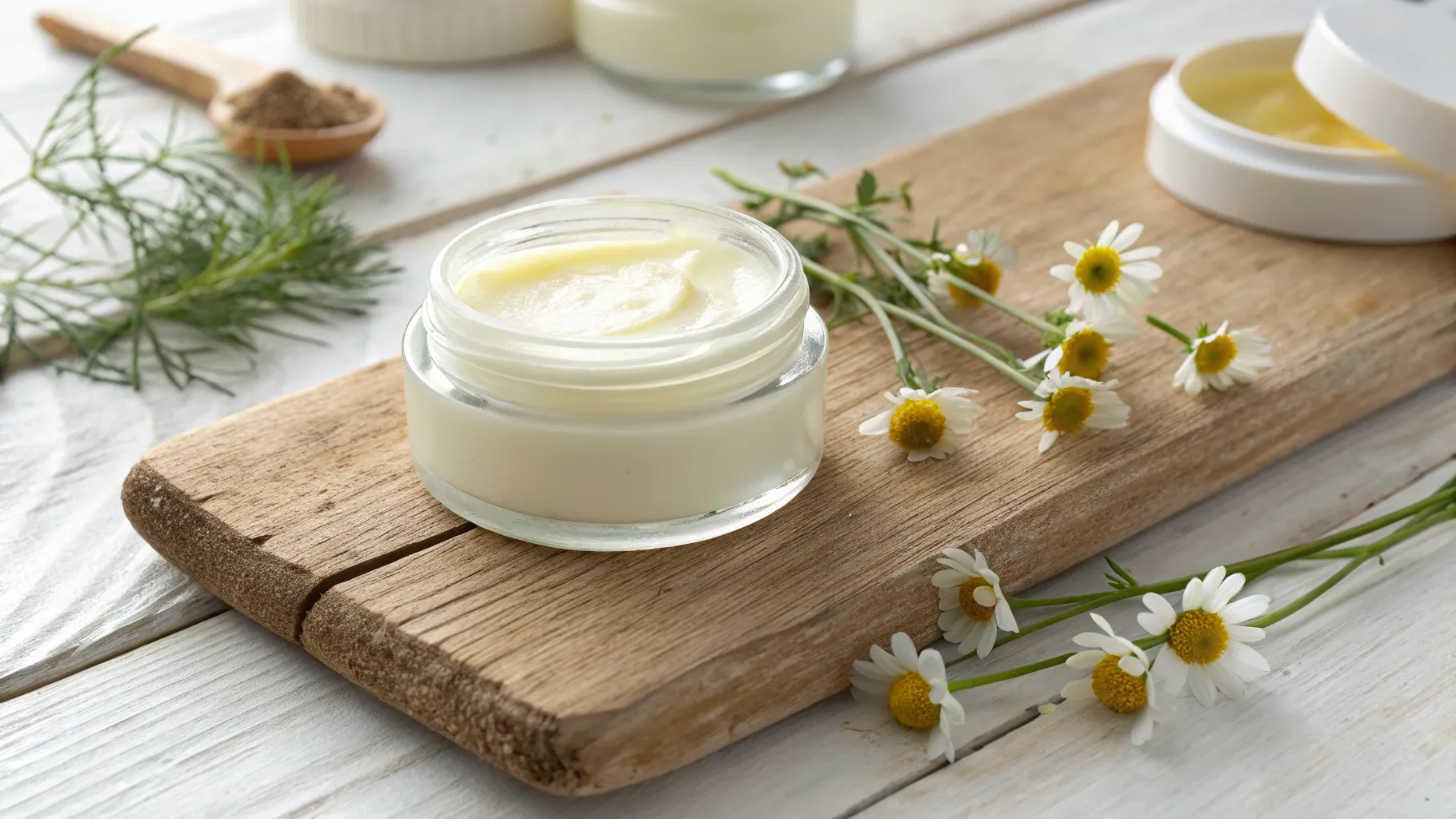
The beauty world is buzzing with a trend that looks back centuries for inspiration: using beef tallow for skin. This practice, rooted in what's often called ancestral skincare, proposes that rendered beef fat is not only a viable alternative to commercial moisturizers but potentially a superior one. Proponents claim its composition is uniquely compatible with human skin, offering deep hydration and nutrients that synthetic products can't match. But does this traditional remedy hold up to scientific scrutiny, and is it time to swap your favorite lotion for a jar of tallow balm?
What Exactly is Tallow and Why is it Used in Skincare?
Tallow is, simply put, rendered fat, most commonly from beef. The rendering process involves melting down the raw fat (suet) and filtering it to remove impurities, resulting in a stable, nutrient-dense substance. Its history in skincare is long and storied, used by our ancestors for everything from soap making to skin salves. The reason for its modern resurgence lies in its biochemical makeup. Tallow is incredibly rich in the same kinds of lipids and fatty acids found in healthy, supple human skin. It contains a high concentration of vitamins A, D, K, and E, which are crucial for skin health and are fat-soluble, meaning they are best absorbed when delivered in a lipid-based medium. This makes beef fat moisturizer an incredibly efficient delivery system for essential nutrients, helping to fortify the skin barrier and improve overall resilience.
Tallow Balm vs. Conventional Moisturizers: A Detailed Comparison
When comparing tallow balm to conventional, often plant-based or synthetic moisturizers, the primary difference is the fatty acid profile. Tallow's profile closely mirrors that of human sebum (the skin's natural oil), containing approximately 50-55% saturated fats. This biocompatibility means the skin may recognize and utilize it more effectively than it would foreign plant oils. Many modern moisturizers rely on water, emulsifiers, preservatives, and a small percentage of oils or synthetic occlusives. While effective for temporary hydration, they can sometimes disrupt the skin's natural microbiome or contain potential irritants. A pure beef fat moisturizer, on the other hand, is typically minimalist, often containing just tallow and perhaps some essential oils. This simplicity appeals to those seeking a clean, natural skincare solution free from the long, complex ingredient lists of commercial products.
The Science-Backed Benefits of Ancestral Skincare
The claims surrounding ancestral skincare are not just anecdotal. The specific nutrients in tallow provide tangible benefits. Oleic acid, a key component, helps nutrients penetrate deeply into the skin. Palmitic acid helps improve the skin's protective barrier, while stearic acid aids in repairing skin damage and improving flexibility. The presence of Conjugated Linoleic Acid (CLA) offers anti-inflammatory and antimicrobial properties, which can be beneficial for those with conditions like eczema or acne. Furthermore, the fat-soluble vitamins A, D, E, and K play vital roles in collagen production, fighting free radical damage, and promoting skin cell regeneration. This powerful combination of elements makes beef tallow for skin a potent agent for nourishing, protecting, and rejuvenating the skin from within.
How to Integrate Tallow into Your Natural Skincare Routine
Adopting tallow into your regimen is straightforward, but it's important to do it correctly for the best results. A little goes a long way due to its richness. Here are some actionable steps:
- Start with a Patch Test: Before applying it to your face, test a small amount of the tallow balm on your inner arm to ensure you don't have an adverse reaction. While rare, sensitivities can occur.
- Cleanse First: Always apply tallow to clean, slightly damp skin. This helps to lock in moisture and aids in absorption. Use a gentle cleanser to avoid stripping your skin's natural oils.
- Use Sparingly: Warm a pea-sized amount of tallow between your fingertips until it softens, then gently press and massage it into your skin. It can be used as a daily facial moisturizer, a night cream, or a targeted treatment for dry patches.
- Choose High-Quality Sources: Opt for tallow rendered from 100% grass-fed, pasture-raised cattle. This type of tallow has a superior nutrient profile, with higher concentrations of vitamins and beneficial fatty acids. This is a crucial step for a high-quality beef fat moisturizer.
Potential Downsides and Who Should Avoid Tallow
Despite its many benefits, beef tallow for skin isn't a universal solution for everyone. The primary concern is its potential comedogenicity. Because it is rich and occlusive, individuals with very oily or acne-prone skin might find that it clogs their pores and leads to breakouts. While many users report the opposite effect due to its anti-inflammatory properties, it remains a possibility. The product's texture and scent can also be a deterrent for some. Furthermore, the sourcing is a critical ethical consideration. Vegans or those who prefer to avoid animal products will naturally steer clear. It's essential to listen to your skin and discontinue use if you experience any negative effects.
Frequently Asked Questions
Is beef tallow for skin good for all skin types?
Tallow is particularly beneficial for dry, sensitive, and mature skin types due to its deep moisturizing and nourishing properties. However, those with very oily or acne-prone skin should perform a patch test, as it could potentially be comedogenic for some.
What does tallow balm smell like?
High-quality, properly rendered tallow has a very mild, neutral scent that typically dissipates quickly after application. Many artisanal products add essential oils like lavender or frankincense to create a more pleasant aroma.
Can I use a beef fat moisturizer if I have eczema or psoriasis?
Many people with inflammatory skin conditions like eczema and psoriasis find relief with tallow balms due to their anti-inflammatory properties and ability to support the skin barrier. Its biocompatible nature can soothe irritation. However, it's always best to consult with a dermatologist before trying a new product for a medical skin condition.
How is ancestral skincare different from other natural skincare?
Ancestral skincare focuses on using nutrient-dense, traditional ingredients that our ancestors would have used, primarily animal-based fats like tallow and lard. This contrasts with many modern natural skincare lines that are predominantly plant-based, using botanical oils, butters, and extracts.
References
- Journal of Dermatological Science: The role of fatty acids in skin health
- Nutrient composition analysis of grass-fed vs. grain-fed beef products
- Historical Texts on Traditional Apothecary and Skin Remedies
Authored by 24Trendz team