Intense Pulsed Light (IPL): The Ultimate Guide to Treating Sun Spots and Redness
Facts:
- IPL technology was first approved by the FDA in 1995.
- A growing trend for non-invasive skin rejuvenation procedures.
Unlocking Radiant Skin: How Intense Light Therapy Works
Uneven skin tone, characterized by sun spots, age spots, and persistent redness, can be a significant cosmetic concern. Fortunately, advancements in dermatological technology offer powerful solutions. One of the most effective methods is Intense Pulsed Light (IPL), a non-invasive treatment designed to target pigmentation and vascular irregularities. This procedure, often referred to as a photofacial, utilizes broad-spectrum light to penetrate the skin's deeper layers, promoting a clearer, more youthful complexion without significant downtime. It's a leading choice for a comprehensive sun damage repair strategy.
What Exactly is Intense Pulsed Light (IPL)?
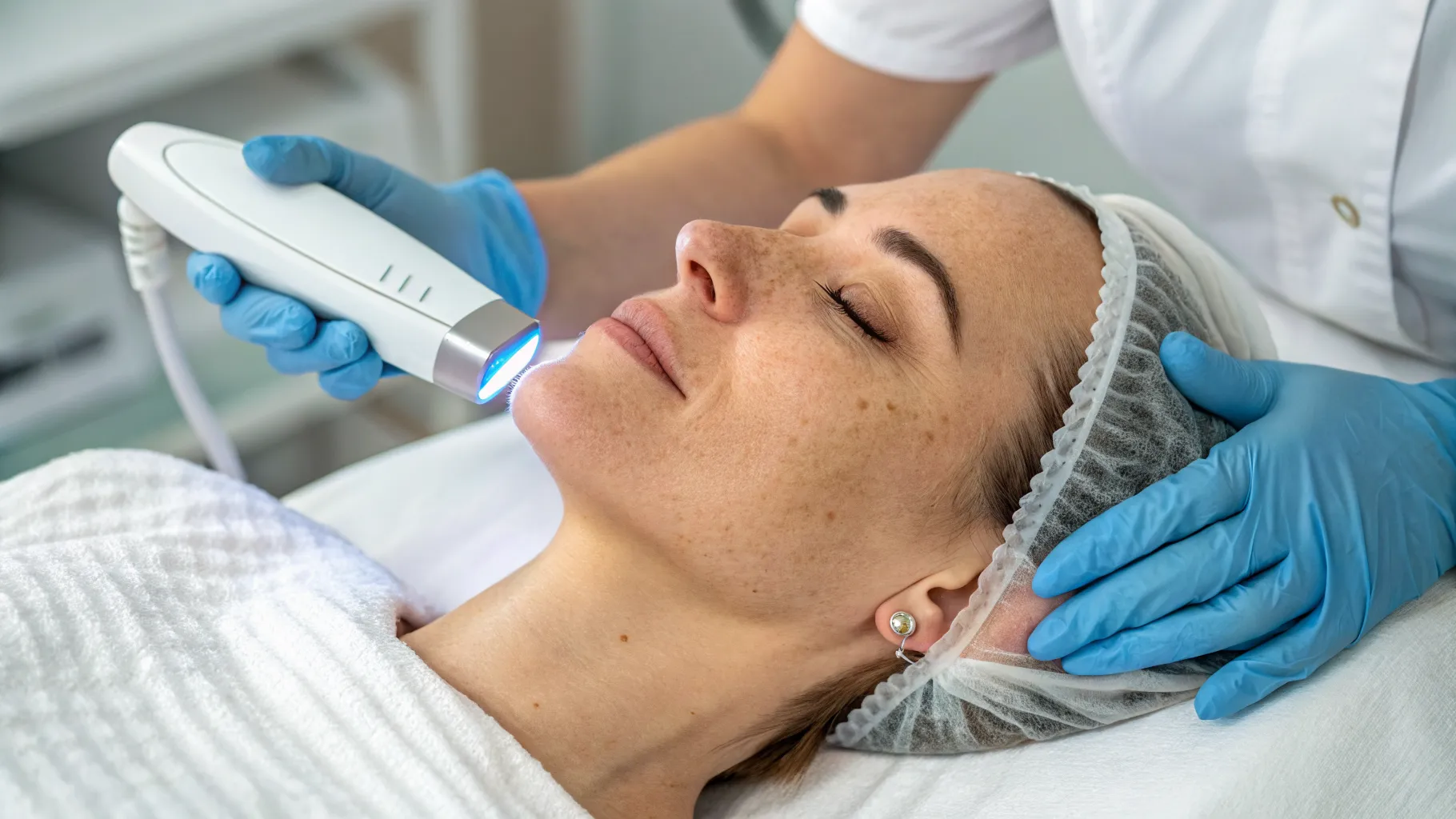
Unlike lasers, which use a single, focused wavelength of light, Intense Pulsed Light (IPL) employs a broad spectrum of light wavelengths, typically between 500 and 1200nm. This light is delivered in short, powerful flashes. The energy is absorbed by specific targets, or chromophores, within the skin. For sun spots and hyperpigmentation, the target is melanin. For redness and broken capillaries (rosacea), the target is hemoglobin in the blood vessels. When the light energy is absorbed, it converts to heat, which damages and breaks down the unwanted melanin or coagulates the superficial blood vessels. The body’s natural healing process then removes these damaged cells, revealing clearer, more evenly toned skin. This makes it a premier hyperpigmentation treatment and an excellent tool for sun damage repair.
The Photofacial Journey: What to Expect During Treatment
The journey to clearer skin with an Intense Pulsed Light (IPL) treatment begins with a thorough consultation with a qualified provider. They will assess your skin type and concerns to ensure you are a suitable candidate. During the procedure itself, you will be given protective eyewear. A cooling gel is applied to the treatment area to protect the outer layer of the skin and enhance comfort. The provider then uses a handheld device to deliver precise pulses of light to the targeted areas. Patients often describe the sensation as a quick, warm snap, similar to a rubber band flicking against the skin. A single photofacial session typically lasts between 20 to 30 minutes, depending on the size of the area being treated. Multiple sessions, usually spaced four weeks apart, are often required to achieve optimal results.
Key Benefits of IPL for Sun Damage and Redness
The popularity of Intense Pulsed Light (IPL) stems from its wide range of benefits for skin rejuvenation. It is highly versatile, capable of addressing multiple concerns in a single session. One of its primary advantages is its effectiveness as a hyperpigmentation treatment, breaking down dark spots caused by sun exposure. It is also exceptionally good at reducing diffuse redness, flushing, and the visible capillaries associated with rosacea. Beyond color correction, the thermal effect of the photofacial stimulates collagen production in the dermis. This leads to improved skin texture, reduced fine lines, and smaller-looking pores over time, offering a comprehensive approach to sun damage repair and anti-aging.
IPL vs. Laser Treatments: Understanding the Difference
While both IPL and laser treatments use light to treat skin conditions, they operate on different principles. The main distinction lies in the type of light used. Lasers emit a single, highly focused wavelength of light that targets a very specific chromophore. This makes them ideal for precise applications, like tattoo removal or targeting deep, specific vessels. In contrast, Intense Pulsed Light (IPL) uses a broad spectrum of light with multiple wavelengths. This allows it to treat several conditions simultaneously, such as addressing both brown spots and redness in one pass. Because the light is less concentrated, a photofacial is generally considered a gentler treatment with less downtime than many ablative laser procedures, making it a preferred choice for overall photorejuvenation and widespread sun damage repair.
Actionable Post-Treatment Care for Lasting Results
Proper aftercare is crucial for maximizing the benefits of your Intense Pulsed Light (IPL) treatment and minimizing potential side effects. Following your provider's instructions diligently will ensure a smooth recovery and protect your investment in your skin.
- Sun Protection is Non-Negotiable: Your skin will be highly sensitive to UV radiation post-treatment. Apply a broad-spectrum sunscreen with an SPF of 30 or higher every day, even when indoors, and reapply frequently when outside. This is the most critical step for any sun damage repair plan.
- Be Gentle with Your Skin: For the first few days, avoid harsh cleansers, exfoliants (like scrubs or acids), and retinoids. Use a mild, non-irritating cleanser and a soothing moisturizer to keep the skin hydrated and calm.
- Avoid Heat and Strenuous Activity: For at least 48 hours after your photofacial, stay away from hot tubs, saunas, steam rooms, and intense workouts that can cause flushing and increase blood flow to the face.
- Do Not Pick or Scratch: You may notice that sun spots become darker before they flake off. This is a normal part of the healing process. Do not pick, scrub, or peel these areas, as it can lead to scarring or infection. Let them fall off naturally.
Frequently Asked Questions
Is an Intense Pulsed Light (IPL) treatment painful?
Most patients tolerate the procedure very well. The sensation is often compared to a warm snap from a rubber band. A topical numbing cream can be applied beforehand for those with very sensitive skin to ensure comfort during the photofacial.
How many photofacial sessions will I need?
The number of sessions required varies depending on the severity of the skin condition being treated. For optimal sun damage repair and redness reduction, a series of 3 to 5 treatments, spaced about four weeks apart, is typically recommended.
What is the downtime after an Intense Pulsed Light (IPL) treatment?
There is minimal to no downtime associated with Intense Pulsed Light (IPL). You may experience some mild redness and swelling, similar to a sunburn, for a few hours to a day after the procedure. You can typically resume normal activities immediately.
Who is the ideal candidate for a hyperpigmentation treatment with IPL?
The ideal candidates are individuals with lighter skin tones (Fitzpatrick types I-III) who have sun spots, age spots, freckles, or redness. The treatment is less effective and carries a higher risk of side effects on darker skin tones due to the higher melanin concentration.
References
- American Academy of Dermatology Association - Chemical Peels, Lasers, and Light Therapy.
- Journal of Clinical and Aesthetic Dermatology - The Role of Intense Pulsed Light in the Treatment of Photoaging.
- Dermatologic Surgery - A Review of Intense Pulsed Light for Skin Rejuvenation.
- Plastic and Reconstructive Surgery Global Open - Efficacy and Safety of IPL in Aesthetic Medicine.
Authored by 24Trendz team