Lip Filler Types: A Complete Guide Before Your First Appointment
Facts:
- Most modern lip fillers are temporary and based on hyaluronic acid.
- A major trend for lip augmentation is achieving subtle, natural-looking enhancement.
Navigating Your Options: Which Lip Filler is Right for You?
Deciding to get lip fillers is an exciting step towards achieving your desired aesthetic, but the variety of options can feel overwhelming. Understanding the different lip filler types is the most critical part of preparing for your first lip augmentation. This guide will provide a comprehensive overview of the most common fillers, helping you walk into your consultation feeling confident and informed about this popular cosmetic procedure. From understanding the base ingredients to knowing what results to expect, being prepared is key to a successful outcome.
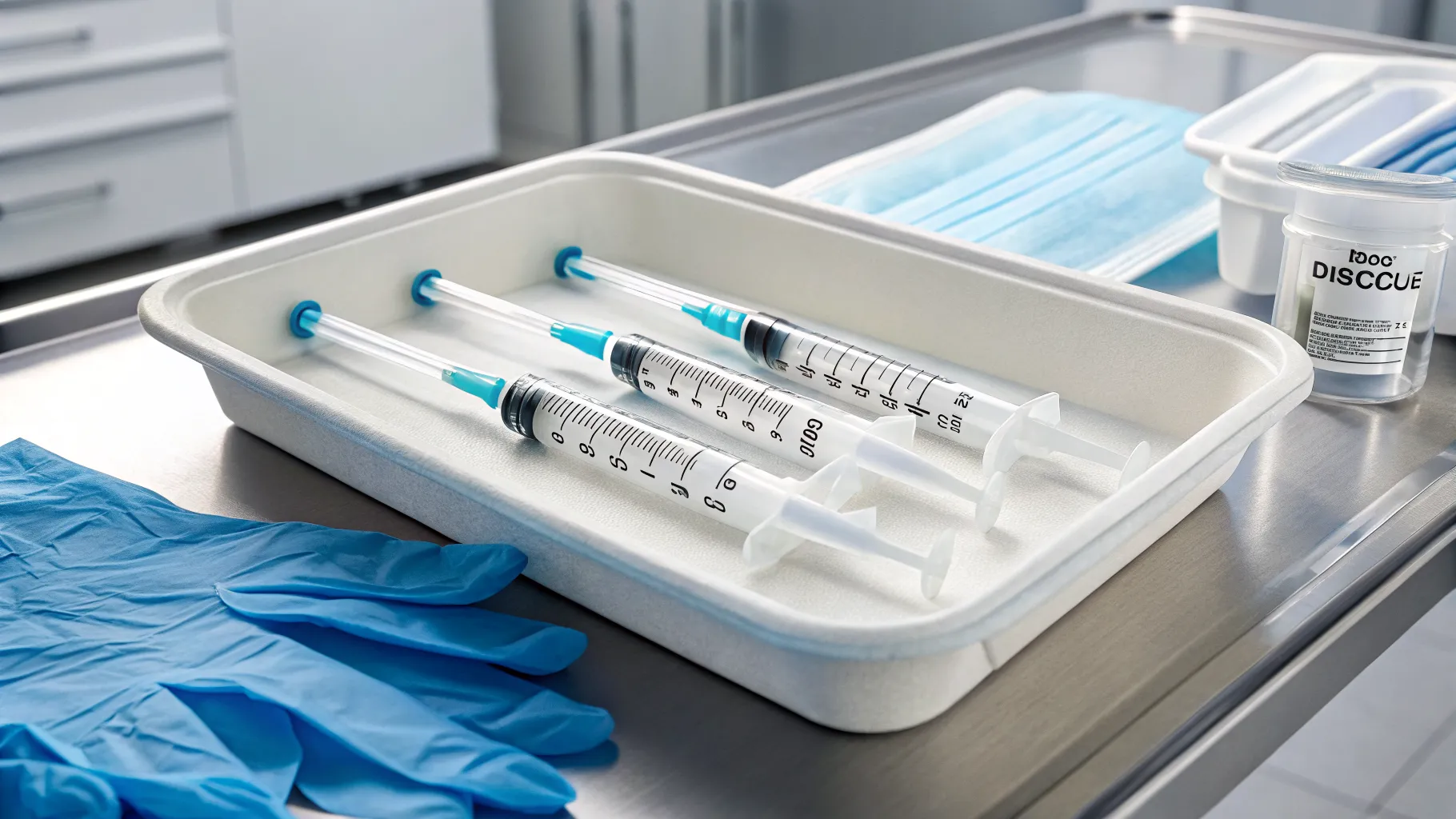
A Deep Dive into Hyaluronic Acid (HA) Fillers
The vast majority of today's most trusted lip filler types are composed of hyaluronic acid (HA). HA is a naturally occurring substance in the body, primarily found in the skin, connective tissue, and eyes. Its main function is to retain water to keep your tissues well lubricated and moist. When used as a dermal fillers ingredient, it acts as a powerful humectant, attracting water to the injection site to add volume, structure, and hydration. Because the body already produces HA, the risk of an allergic reaction is extremely low, making it a very safe option for a cosmetic procedure. The gel-like consistency can be manipulated to create a wide range of results, from soft and subtle to sharp and defined, depending on the specific product chosen by your practitioner.
Comparing the Most Popular Lip Filler Brands
While most fillers are HA-based, they are not all created equal. Different brands and product lines within those brands have unique properties related to their molecular structure, thickness, and longevity. This allows injectors to tailor the treatment to your specific anatomy and aesthetic goals. Choosing the right one is a key part of the lip augmentation process.
The Juvéderm Family: For Smoothness and Volume
Juvéderm is one of the most well-known names in the world of dermal fillers. Products like Juvéderm Ultra XC are known for their smooth consistency, making them ideal for adding soft, pillowy volume. Juvéderm Volbella XC is a thinner formulation, perfect for subtle hydration, defining the lip border (vermillion border), and smoothing fine vertical lip lines without adding significant bulk. These hyaluronic acid fillers are excellent for patients seeking noticeable but natural-looking plumpness.
The Restylane Family: For Structure and Definition
Restylane offers another range of popular lip filler types. Restylane Kysse is a standout product specifically designed for the lips. It uses XpresHAn Technology™ which allows the filler to integrate seamlessly into the lip tissue, moving naturally with your expressions. It's fantastic for adding volume while maintaining a full range of motion and a natural feel. Restylane Silk is formulated with smaller, smoother particles, making it suitable for very precise lip shaping and correcting fine lines around the mouth.
Essential Preparation for Your First Lip Filler Appointment
Proper preparation is crucial for minimizing risks like bruising and swelling and ensuring a smooth cosmetic procedure. Following your provider's instructions will set you up for the best possible results and a more comfortable experience. Here are some actionable steps to take before you go in:
- Avoid Blood Thinners: For at least one week prior to your appointment, avoid taking medications and supplements that can thin the blood. This includes aspirin, ibuprofen (Advil, Motrin), fish oil, vitamin E, and St. John's Wort. Consult your doctor before stopping any prescribed medication.
- Skip the Alcohol: Do not consume alcoholic beverages for at least 24-48 hours before your treatment. Alcohol can increase blood flow and the likelihood of bruising and swelling at the injection sites.
- Arrive with a Clean Face: Come to your appointment without any makeup, lotion, or other products on your face. This helps ensure a sterile environment and reduces the risk of infection.
- Discuss Your Goals Clearly: Be prepared to talk openly with your injector about the look you want to achieve. Bringing reference photos can be very helpful, but be realistic about what can be accomplished with your unique anatomy. This is a key part of any successful lip augmentation.
Post-Treatment Care and What to Expect
After your injections, aftercare is just as important as the preparation. You will likely experience some swelling, redness, and potentially minor bruising for a few days. This is a normal part of the healing process. Your injector will advise you to avoid strenuous exercise, extreme heat (like saunas), and excessive sun exposure for the first 24-48 hours. Applying a cold compress can help manage swelling. The final results of your dermal fillers will become apparent once the initial swelling subsides, typically within one to two weeks.
Frequently Asked Questions
How long do different lip filler types last?
The longevity of lip fillers depends on the specific product used and your individual metabolism. Generally, most hyaluronic acid fillers last between 6 to 12 months. Thinner fillers may dissolve faster, while more robust formulations can last longer. Touch-up appointments are needed to maintain the results.
Is the lip augmentation procedure painful?
Most patients report minimal discomfort. The majority of modern dermal fillers, including the Juvéderm and Restylane lines, are formulated with lidocaine, a local anesthetic, to numb the area during injection. Additionally, your provider will typically apply a topical numbing cream before the procedure begins to ensure you are as comfortable as possible.
What are the main risks associated with this cosmetic procedure?
The most common side effects are temporary and include swelling, bruising, redness, and tenderness at the injection site. More serious risks, such as infection or vascular occlusion (filler blocking a blood vessel), are very rare, especially when you are treated by a qualified, experienced, and licensed medical professional.
References
- American Society of Plastic Surgeons: Dermal Filler Safety Guidelines
- Journal of Clinical and Aesthetic Dermatology: Trends in Hyaluronic Acid Fillers
- International Journal of Cosmetic Science: The Role of Hyaluronic Acid in Lip Augmentation
Authored by 24Trendz team