Teeth Whitening Strips vs Professional Whitening Treatment: Which is Best?
Facts:
- Over 80% of adults aged 18-49 want whiter teeth.
- The global teeth whitening market continues to grow annually.
Choosing Your Path to a Radiant Smile: Strips or Professional Care?
The quest for a brilliant, whiter smile is a common goal, but the path to achieving it is filled with choices. The most debated options are often at-home teeth whitening strips and in-office professional whitening treatment. While both aim to erase stains and brighten enamel, they differ significantly in application, cost, speed, and the intensity of results. Understanding these differences is crucial for making an informed decision that aligns with your cosmetic goals, budget, and lifestyle. This guide will break down everything you need to know about each method, helping you navigate concerns like the cost of teeth whitening and potential dental sensitivity.
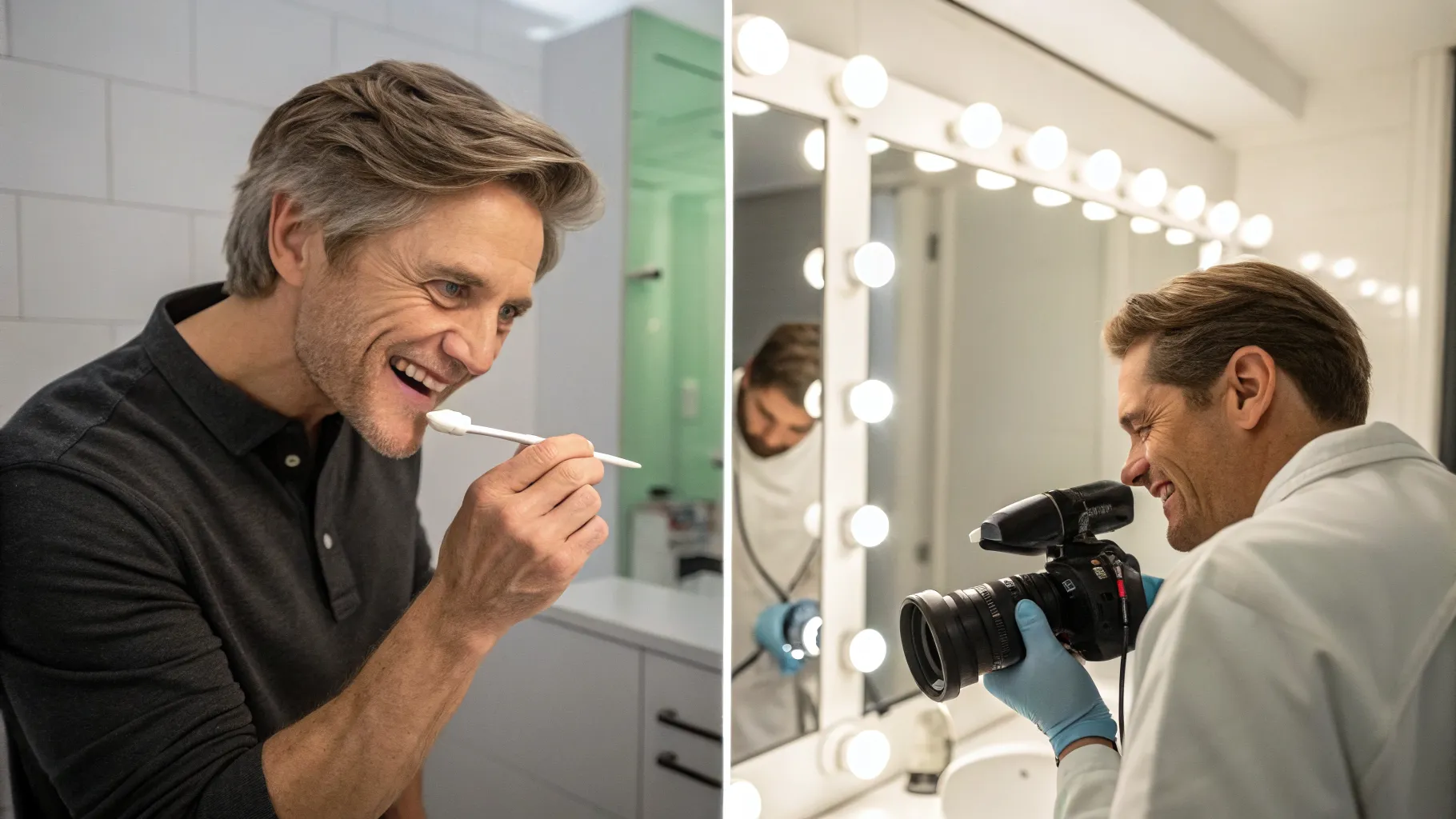
What Exactly Are Teeth Whitening Strips?
Teeth whitening strips are a popular over-the-counter solution for lightening teeth. They are small, flexible pieces of plastic coated with a thin layer of peroxide-based whitening gel. Users apply these strips directly to the surface of their teeth, typically for 30 minutes a day over a period of two to three weeks. The primary whitening agent is usually hydrogen peroxide or carbamide peroxide, which penetrates the enamel to break down stain compounds. Their main appeal lies in convenience and affordability. You can use them in the comfort of your own home without a dental appointment. However, the concentration of peroxide is much lower than what is used in a professional setting, which means results are more gradual and less dramatic. This lower concentration also helps manage the risk of dental sensitivity, though it can still occur if the strips are used improperly or too frequently.
A Deep Dive into Professional Whitening Treatment
A professional whitening treatment is administered by a dental professional in a clinical setting. This process involves the application of a high-concentration hydrogen peroxide gel directly to the teeth. To protect the gums and soft tissues, the dentist will first apply a protective barrier. Often, a special light or laser is used to activate the gel, accelerating the whitening process and enhancing its effectiveness. The entire procedure usually takes about 60 to 90 minutes and delivers immediate, significant results. Because it's performed under professional supervision, the treatment can use a much stronger whitening agent safely, targeting deep-set, stubborn stains that strips cannot remove. While the cost of teeth whitening is considerably higher for this option, the speed and quality of the results are unparalleled, making it a preferred choice for those seeking a dramatic and fast transformation for a whiter smile.
Head-to-Head Comparison: Efficacy, Cost, and Safety
When deciding between teeth whitening strips and a professional whitening treatment, a direct comparison is essential. Each method presents a unique set of advantages and disadvantages across several key areas.
Effectiveness and Speed
A professional whitening treatment offers the most dramatic and rapid results. Patients can see a significant change in just one visit. In contrast, teeth whitening strips require consistent use over several weeks to produce a noticeable, albeit more subtle, improvement. For deep, intrinsic stains (stains inside the tooth), strips are often ineffective, while professional methods can achieve a much deeper level of whitening.
The True Cost of Teeth Whitening
The upfront cost of teeth whitening is where these two options diverge the most. Strips are highly affordable, making them accessible to a wide audience. However, for maintaining a whiter smile, the costs can add up over time as you need to repurchase kits. Professional treatments have a high initial cost but often provide longer-lasting results, potentially offering better value in the long run, especially when factoring in the superior outcome.
Safety and Dental Sensitivity
Both methods are generally considered safe when used as directed. However, the risk of side effects like dental sensitivity and gum irritation is present. With teeth whitening strips, the risk comes from improper application, such as letting the gel sit on the gums, or overuse. A professional whitening treatment is performed under controlled conditions, with measures taken to protect the gums. While the higher peroxide concentration can cause temporary dental sensitivity, your dentist can provide desensitizing treatments to manage any discomfort effectively.
Actionable Advice for a Brighter, Healthier Smile
Regardless of the method you choose, taking the right steps can maximize your results and minimize risks. Here is some actionable advice to guide you on your journey to a whiter smile.
- Consult Your Dentist First: Before starting any whitening regimen, including using teeth whitening strips, have a dental check-up. Your dentist can confirm if your teeth and gums are healthy enough for whitening and advise on the best option for your specific type of discoloration.
- Manage Dental Sensitivity: If you are prone to dental sensitivity, use a desensitizing toothpaste for a few weeks before and after your treatment. Your dentist can also recommend products or in-office treatments to help alleviate discomfort associated with a professional whitening treatment.
- Follow Instructions Carefully: Whether it's the duration for wearing strips or post-treatment care after a professional session, adhering to the guidelines is crucial for safety and effectiveness. Overusing products will not speed up results but will increase the risk of side effects.
- Maintain Your Results: After achieving your desired shade, maintain it by avoiding staining foods and drinks like coffee, tea, and red wine for a few days post-treatment. Practicing good oral hygiene, including regular brushing and flossing, is essential for preserving your whiter smile.
Frequently Asked Questions
How long do the results from a professional whitening treatment last?
The results from a professional whitening treatment can last from six months to three years, depending heavily on your diet and oral hygiene habits. Avoiding staining agents and maintaining regular dental cleanings can significantly extend the life of your bright, whiter smile.
Are teeth whitening strips bad for your enamel?
When used according to the manufacturer's instructions, teeth whitening strips are safe for enamel. The whitening agents they use are approved for at-home use. However, overuse or leaving them on for longer than recommended can lead to enamel erosion and increased dental sensitivity.
What is the primary difference in the cost of teeth whitening between the two methods?
The primary difference is substantial. The cost of teeth whitening with strips can range from $20 to $60 per kit, while a single in-office professional whitening treatment can cost several hundred dollars. The price reflects the materials used, the dentist's expertise, and the speed and quality of the results.
Can I use teeth whitening strips if I have dental restorations like crowns or veneers?
No, whitening products do not work on dental restorations like crowns, veneers, or fillings. They will only whiten the natural tooth enamel around them, which can result in an uneven color match. It's crucial to consult a dentist before whitening if you have any dental work.
References
- American Dental Association (ADA) Statement on the Safety and Effectiveness of Tooth Whitening Products.
- Journal of Clinical Dentistry: Comparative studies on peroxide-based whitening agents.
- Consumer Reports: Evaluation of over-the-counter teeth whitening kits.
- National Institutes of Health (NIH): Research on dental sensitivity from bleaching agents.
Authored by 24Trendz team