Unpacking Plasma Donation Eligibility Requirements: A Guide for Potential Donors
Facts:
- Plasma is vital for treating numerous serious diseases.
- Demand for plasma-derived therapies is consistently growing for patients globally.
Understanding the Core Plasma Donation Eligibility
Donating plasma is a profound act of generosity that saves and improves countless lives worldwide. However, before you can contribute to this critical medical supply, it's essential to understand the comprehensive plasma donation eligibility requirements. These strict guidelines are put in place not only to ensure the safety of the recipient but also to protect the health of the donor. Navigating the specific donor requirements can seem complex, but this guide aims to clarify each aspect, helping you determine if you meet the necessary criteria to become a plasma donor.
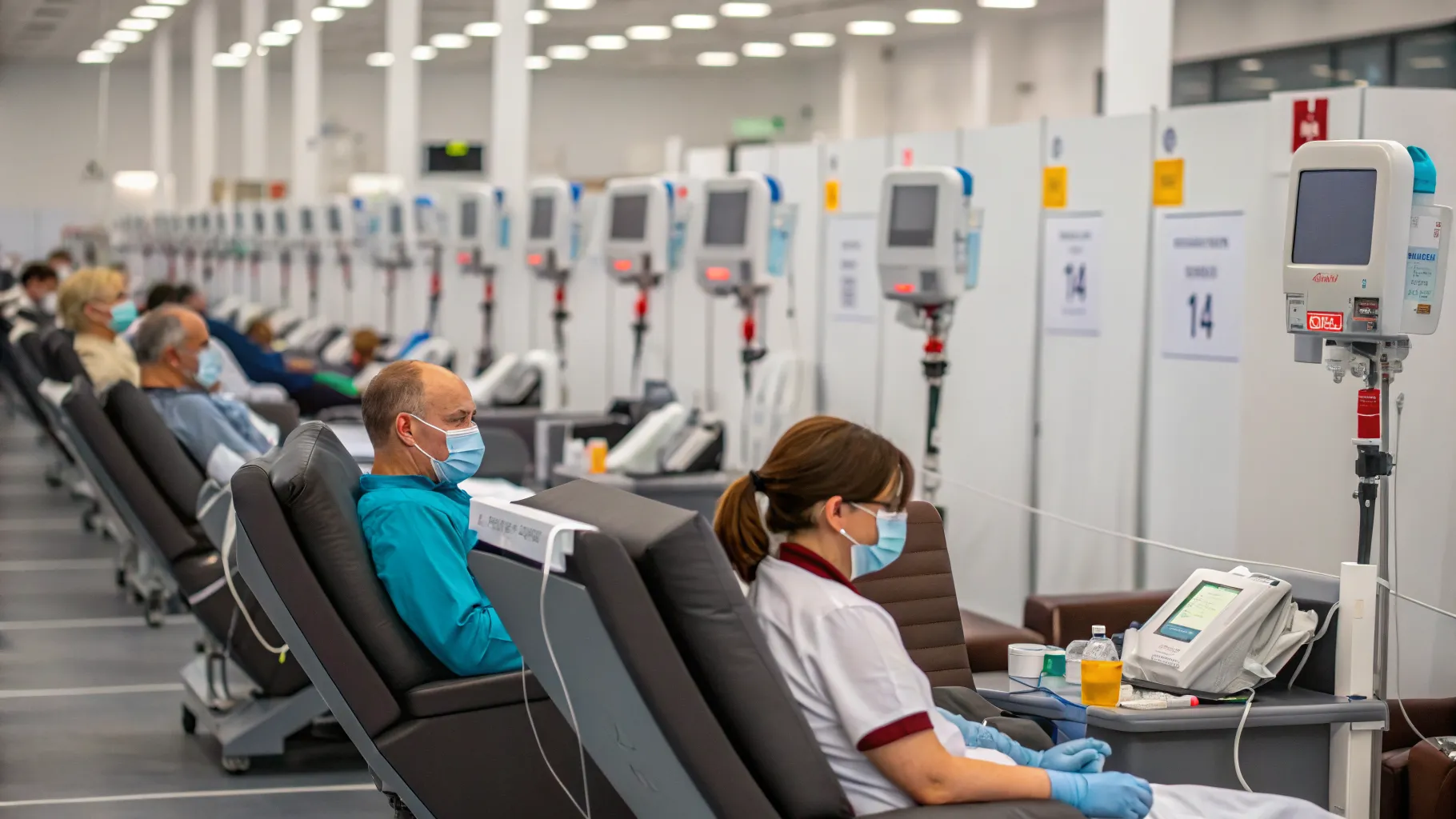
Detailed Criteria for Plasma Donors
Meeting the fundamental plasma donor criteria involves several key factors, including age, weight, and general health. Typically, donors must be at least 18 years old, though some centers may have an upper age limit, often around 69 or 70 years, to ensure the donor can comfortably withstand the donation process. Weight requirements are also crucial; donors usually need to weigh at least 110 pounds (approximately 50 kg) to safely donate. This threshold helps ensure that donors have sufficient blood volume to prevent adverse reactions during the donation. Furthermore, a thorough general health assessment is conducted, which includes a review of your medical history, blood pressure, pulse, and temperature. Any acute illness, such as a cold or flu, will temporarily disqualify you. Centers are rigorous in their evaluation to safeguard both the donor's well-being and the quality of the donated plasma, making these initial checks a critical part of the overall plasma donation eligibility process.
Medical Conditions and Medications: Impact on Eligibility
A significant portion of plasma donation eligibility revolves around a donor's medical history and current medications. Certain chronic conditions, such as severe heart disease, lung disease, or specific types of cancer, often permanently disqualify individuals from donating. Conditions like diabetes can be acceptable if well-controlled, but this varies by donation center and severity. Furthermore, a wide range of medications can impact eligibility. For instance, certain blood thinners, antibiotics, or medications for specific autoimmune diseases might lead to deferral, either temporary or permanent. It's imperative to be completely transparent about all past and present health issues and medications during the screening process. The medical staff will meticulously review these details to ascertain whether you meet the stringent plasma donor criteria and to prevent any potential risks to your health or the safety of the plasma product. This detailed assessment is a cornerstone of ensuring safe plasma donation.
Lifestyle Factors Affecting Plasma Donor Criteria
Beyond medical history, various lifestyle factors significantly influence plasma donation eligibility. Recent tattoos or piercings, for example, typically require a deferral period, often 4 to 12 months, to mitigate the risk of transmitting bloodborne diseases. Travel to certain regions with a high prevalence of infectious diseases, such as malaria or Zika virus, can also result in temporary disqualification, with deferral periods varying based on the specific disease and region. High-risk behaviors, including intravenous drug use, are absolute disqualifiers due to the heightened risk of bloodborne pathogens. Additionally, individuals who have received blood transfusions in certain countries or after a specific date might also face deferral. These comprehensive donor requirements are designed to protect the integrity of the plasma supply and ensure that only the safest donations are collected, contributing to overall public health and the efficacy of plasma-derived therapies.
The Plasma Screening Process: What to Expect
Before any plasma is collected, every potential donor undergoes a rigorous plasma screening process designed to confirm their plasma donation eligibility. This process typically begins with a detailed health questionnaire covering medical history, lifestyle, and recent travel. Following this, a physical examination is performed by trained medical staff, which includes checking vital signs like blood pressure, pulse, temperature, and a measurement of your weight. A small blood sample is also taken to check your protein levels, hematocrit (the percentage of red blood cells in your blood), and to screen for infectious diseases like HIV, Hepatitis B, and Hepatitis C. This multi-faceted screening ensures that your plasma is safe for use and that the donation process itself will not adversely affect your health. Understanding and complying with each step of the plasma screening process is vital for anyone wishing to become a regular plasma donor, as these checks are repeated periodically for returning donors.
Ensuring Safe Plasma Donation: A Donor's Responsibility
Maintain Hydration and Nutrition:
Staying well-hydrated by drinking plenty of water and consuming a balanced, iron-rich diet is paramount. This supports your body's ability to recover plasma proteins and blood volume efficiently, directly impacting your continued plasma donation eligibility for subsequent donations.
Be Transparent About Health Changes:
Any changes in your health status, new medications, recent illnesses, or travel to specific regions must be immediately reported to the donation center staff. Honesty is crucial to ensure safe plasma donation for both you and the recipient, as these factors directly affect plasma donor criteria.
Adhere to Donation Intervals:
Respecting the mandated 48-hour minimum interval between plasma donations and the maximum frequency (usually twice in seven days) is vital. This allows your body adequate time to regenerate plasma components, ensuring your health and sustained donor requirements are met over time.
Monitor for Post-Donation Symptoms:
Pay attention to your body after donation. While adverse reactions are rare, reporting any unusual symptoms such as dizziness, prolonged bruising, or infection at the needle site helps centers improve safety protocols and provides you with necessary care, reinforcing the commitment to safe plasma donation.
Frequently Asked Questions
How often can I meet the plasma donor criteria and donate?
Most donation centers allow healthy individuals who meet the plasma donor criteria to donate plasma up to twice within a seven-day period, with at least 48 hours between donations. This frequency allows your body sufficient time to replenish the donated plasma proteins. Regular review of your plasma donation eligibility will be conducted.
What if I'm on medication, does it affect my plasma donation eligibility?
Yes, many medications can affect your plasma donation eligibility. It's crucial to disclose all medications, including over-the-counter drugs, supplements, and prescriptions, to the medical staff during your screening. Some medications, like certain antibiotics or blood thinners, may result in a temporary or permanent deferral. Always be honest and thorough for a safe plasma donation.
Is the plasma screening process painful?
The plasma screening process itself is generally not painful. It involves a brief physical exam and a small prick for a blood sample to check your health markers. The actual donation process involves inserting a needle into a vein, which can cause a momentary sting, similar to a regular blood draw. Most donors report only minor discomfort, emphasizing the safety and efficacy of the plasma donor criteria.
References
- American Red Cross. Guidelines for Plasma Donation.
- World Health Organization. Global Blood and Plasma Safety.
- Plasma Protein Therapeutics Association. Donor Education and Safety Standards.
- U.S. Food and Drug Administration. Regulations for Human Blood and Blood Products.
- International Plasma Fractionation Association. Best Practices in Plasma Collection.
Authored by 24Trendz team