The Ultimate Guide to Military Equipment for Sale in 2026
Facts:
- The global military surplus market is a multi-billion dollar industry.
- A growing trend for surplus military gear is its use by outdoor enthusiasts.
Decoding the Market for Military Equipment for Sale
The world of military surplus offers civilians a unique opportunity to own pieces of history and highly durable equipment. Once exclusively the domain of governments, a robust market now exists for everything from clothing to vehicles. Whether you're a collector, a survivalist, an off-road enthusiast, or simply someone who appreciates robust engineering, understanding the landscape of Military equipment for sale is the first step. This guide explores the various types of surplus military gear available, where to find it, and the critical legal considerations you must navigate before making a purchase. The market is vast, but with the right knowledge, you can acquire authentic and functional equipment safely and legally.
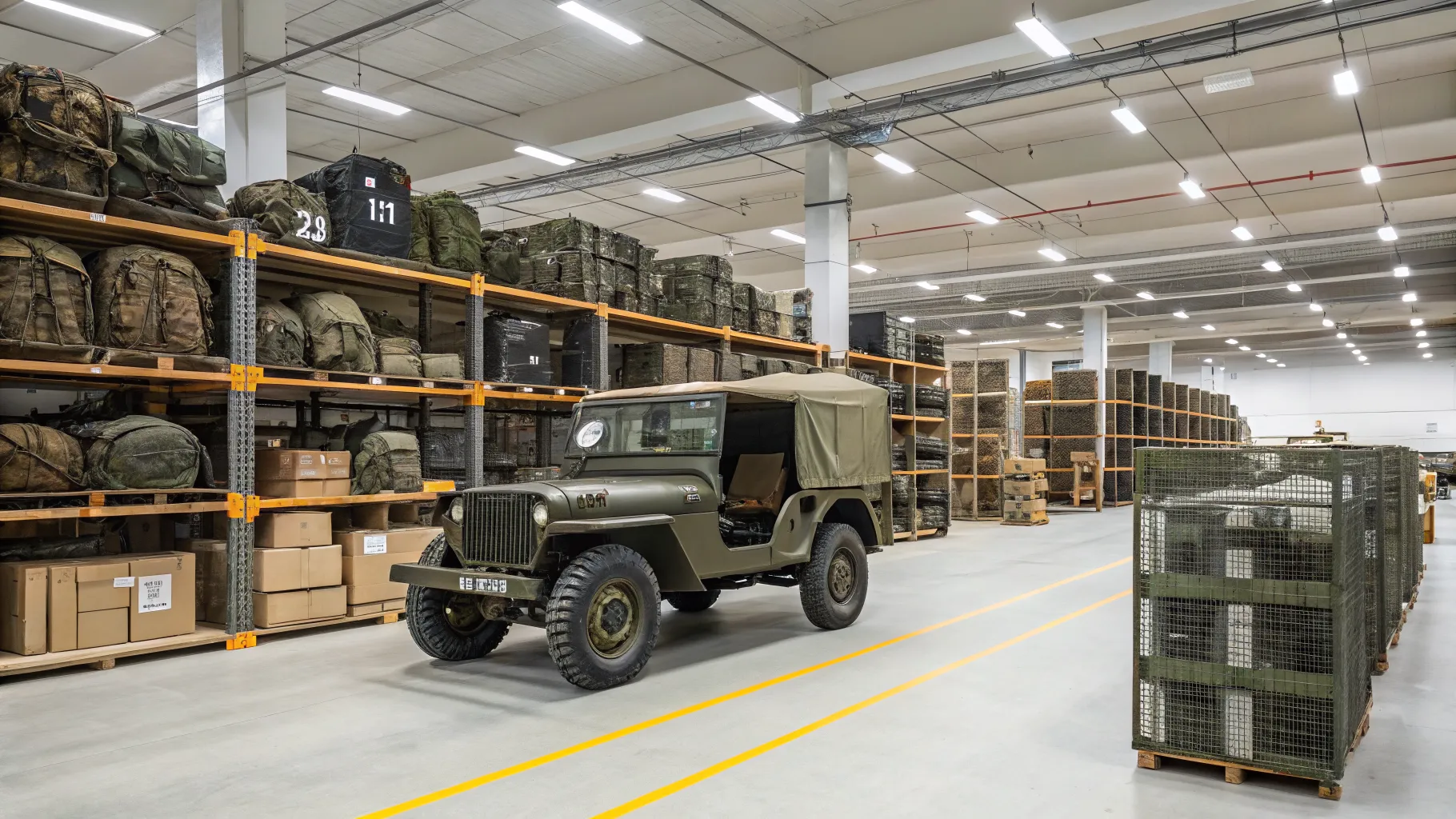
What Types of Surplus Military Gear Can You Legally Own?
The variety of available military surplus is extensive, but items are generally categorized based on their function and level of demilitarization. It is crucial to understand what is legally permissible for civilian ownership, as regulations can be strict. Most items sold have been stripped of any offensive capabilities, making them safe and legal for the public market.
Decommissioned Military Vehicles and Parts
One of the most popular categories is decommissioned military vehicles. This includes iconic jeeps, robust cargo trucks, and even Humvees. Before being sold, these vehicles undergo a process called demilitarization, where all weaponry and sensitive military electronics are removed. Buyers should always request and verify the demilitarization certificate. Sourcing spare parts can be a challenge, but a thriving community of collectors and specialized mechanics often provides support for these historical machines.
Tactical Apparel and Personal Gear
This is perhaps the most accessible category of surplus military gear. It includes high-quality, durable items like combat boots, camouflage uniforms, tactical vests, helmets, and load-bearing equipment. These items are highly sought after by hikers, campers, airsoft players, and outdoor workers due to their ruggedness and practical design. Reputable tactical gear suppliers often provide both surplus and newly manufactured equipment that meets military specifications.
Field and Communication Equipment
Items designed for life in the field are also widely available. This includes military-grade tents, sleeping bags, MREs (Meals Ready-to-Eat), and durable backpacks. While much of this gear is unrestricted, communication equipment like military-spec radios may have transmission capabilities that are regulated by federal law. It's essential to check that any communication device has been modified to operate only on permissible civilian frequencies.
Top Sources for Finding Authentic Military Surplus Online
Finding genuine Military equipment for sale requires knowing where to look. The market is divided between official government channels and private retailers, each with its own benefits and drawbacks. Authenticity and condition can vary widely, so thorough research is key.
- Government Liquidation Websites: Official government sites, such as GovPlanet, are the primary source for authentic surplus. They auction off equipment directly from the military. While you can find great deals, items are often sold 'as-is' with little to no warranty.
- Specialized Online Retailers: Many online stores specialize in military surplus. These retailers often curate their inventory, ensuring a higher standard of quality and condition. They are an excellent source for both collectors and practical users, often providing detailed descriptions and customer support.
- Collector Forums and Communities: Online forums dedicated to military vehicle collectors and gear enthusiasts can be a goldmine for rare items and expert advice. Private sales are common, but buyers should exercise caution and perform due to diligence.
- Live Auctions and Trade Shows: For those who prefer to inspect items in person, live auctions and military vehicle trade shows offer a hands-on buying experience. These events bring together sellers and experts, providing a great opportunity to find unique decommissioned military vehicles and gear.
Key Factors to Verify Before Purchasing
Before committing to a purchase, especially a high-value one like a vehicle, several factors must be considered. The appeal of owning surplus military gear can sometimes overshadow the practical realities of its condition and legality. A primary consideration is authenticity versus reproduction; many companies produce military-style gear that is not genuine issue. Also, evaluate the item's condition carefully—'surplus' can mean anything from brand new and unissued to heavily used and in need of repair. When buying decommissioned military vehicles, always insist on seeing the demilitarization paperwork and a clear title to ensure it can be legally registered for road use.
Navigating the Legal Landscape of Military Equipment Ownership
Understanding the law is non-negotiable when dealing with Military equipment for sale. While most surplus items are perfectly legal to own, certain categories are heavily restricted by federal, state, and local laws. Body armor, for example, may be illegal for certain individuals to possess in some states. Functional weaponry and explosive ordnance are strictly prohibited for civilian sale. The Bureau of Alcohol, Tobacco, Firearms and Explosives (ATF) regulates any item classified as a weapon or destructive device. It is the buyer's sole responsibility to ensure that any purchase complies with all applicable laws in their jurisdiction. Consulting with legal experts or established tactical gear suppliers is highly recommended.
Frequently Asked Questions
Is it legal for a civilian to buy Military equipment for sale?
Yes, it is generally legal for civilians to purchase a wide variety of demilitarized military equipment. However, items like active firearms, explosives, and certain types of body armor are heavily regulated or prohibited. Always verify local, state, and federal laws before purchasing.
Where can I find reliable tactical gear suppliers?
Reliable tactical gear suppliers can be found through official government auction websites, reputable online surplus stores, and specialized retailers who often have brick-and-mortar locations. Look for suppliers with positive reviews, clear return policies, and detailed product descriptions.
What should I know before buying decommissioned military vehicles?
Before purchasing decommissioned military vehicles, you must verify the vehicle's demilitarization certificate, confirm it has a legal title, and understand that maintenance can be costly and require specialized parts. Also, check local regulations regarding on-road use for such vehicles.
References
- U.S. Defense Logistics Agency Disposition Services
- National Military Vehicle Museum & Educational Center Guidelines
- Civilian Marksmanship Program (CMP) Surplus Information
- Federal and State Vehicle Registration Codes
Authored by 24Trendz team