Military Surplus Vehicles: The Ultimate Guide to Buying Ex-Military Trucks
Facts:
- Most decommissioned military vehicles can be made street-legal.
- A growing trend for off-road enthusiasts and collectors.
Unlocking the Power: Your Guide to Owning Military Surplus Vehicles
The allure of owning a piece of history, a machine built for ultimate durability and performance, is undeniable. For many civilians, the world of military surplus vehicles offers a unique opportunity to acquire incredibly capable trucks, utility vehicles, and even armored carriers. These machines, once the backbone of armed forces, are now available through various channels, attracting everyone from dedicated collectors and off-road adventurers to businesses needing rugged transport. This guide will navigate the exciting process of purchasing and owning these formidable vehicles, from understanding the different types available to finding reputable sellers and navigating the legal requirements. Whether you're interested in ex-military trucks for their sheer utility or the unique statement they make, understanding the market is the first step towards a rewarding ownership experience.
Common Types of Military Surplus Vehicles You Can Buy
The term 'military surplus' covers a vast range of vehicles, each with its own purpose and characteristics. When you start exploring the market, you'll encounter everything from light utility vehicles to massive cargo haulers. Understanding the most common types will help you narrow down your search for the perfect machine. Many enthusiasts start with more common ex-military trucks due to parts availability and a larger community for support and advice.
HMMWV (Humvee)
Perhaps the most iconic of all modern military surplus vehicles, the High Mobility Multipurpose Wheeled Vehicle (HMMWV or Humvee) is known for its wide stance and incredible off-road capability. While the civilian Hummer H1 is based on it, the surplus military version is a more spartan, purpose-built machine. They are often sold without armor and require some modifications to be made street-legal in certain states. They are a popular choice for their ruggedness and iconic look.
LMTV / MTV (Medium Tactical Vehicles)
The Family of Medium Tactical Vehicles (FMTV), including the Light Medium Tactical Vehicle (LMTV) and Medium Tactical Vehicle (MTV), are modern workhorses. These are robust ex-military trucks known for their reliability and payload capacity. They often feature automatic transmissions and modern diesel engines, making them more approachable for civilian use than older models. They are excellent platforms for creating off-grid campers or heavy-duty work trucks.
Deuce and a Half (M35)
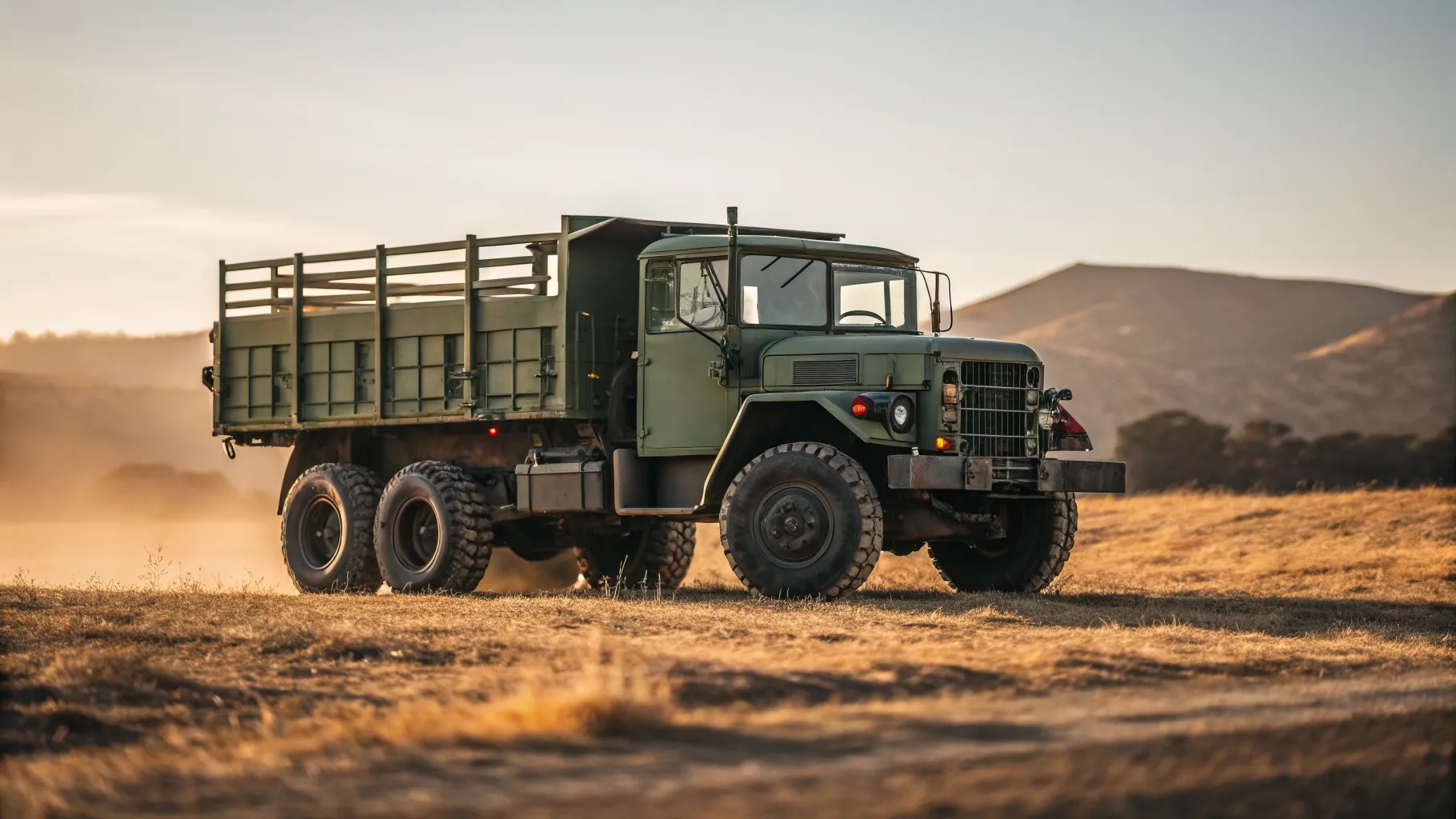
The classic M35 series 2.5-ton truck, affectionately known as the 'Deuce and a Half,' is a legendary vehicle. These 6x6 trucks are known for their multi-fuel engines, which can run on a variety of fuel sources. While older and more agricultural in their driving experience, they are incredibly tough and relatively simple to work on. They represent a more vintage slice of military surplus vehicles and have a dedicated following of collectors and restorers.
Armored Personnel Carrier (APC)
For the ultimate collector, acquiring an armored personnel carrier is a significant endeavor. Models like the M113 or the British FV432 occasionally become available. These tracked vehicles are generally not street-legal and are purchased for private land use or as showpieces. Ownership involves significant logistical challenges, from transport to maintenance, but offers an unparalleled experience. These are the most extreme examples of decommissioned military vehicles.
Navigating Government Surplus Auctions and Private Sales
The primary way to acquire these vehicles is through official government channels. Websites like GovPlanet host regular government surplus auctions where the public can bid on a wide range of decommissioned military vehicles. These auctions provide detailed inspection reports, but vehicles are typically sold 'as-is, where-is.' It's crucial to factor in transportation costs and potential repair needs. Alternatively, private dealers and collectors also sell ex-military trucks. While often more expensive, these vehicles may have already undergone restoration or the process of becoming street-legal, offering a more turnkey solution for buyers.
Street-Legal vs. Off-Road Only: Key Considerations
A major consideration when buying military surplus vehicles is their legal status for road use. Many vehicles, especially larger trucks and any armored personnel carrier, are sold for off-road use only. The process of making a vehicle street-legal, known as 'titling and registering,' varies dramatically by state. It may involve adding turn signals, seatbelts, and other safety equipment, as well as passing a state inspection. Researching your local DMV regulations before purchasing is absolutely essential to avoid acquiring a vehicle you cannot legally drive on public roads. Many online forums dedicated to ex-military trucks offer state-specific advice on this complex process.
Essential Maintenance Tips for Your Decommissioned Military Vehicle
Owning a piece of military hardware means adopting a different approach to maintenance. These vehicles were built for durability, not convenience. Here are some key tips to keep your vehicle running strong:
- Understand the Powertrain: Many decommissioned military vehicles use diesel or multi-fuel engines. Learn the specific fluid requirements, filter types, and service intervals. They are not the same as your standard consumer truck.
- Tire and Wheel Care: The tires on these vehicles are large, heavy, and often have central tire inflation systems (CTIS). Regularly check for dry rot, ensure proper inflation, and learn how to safely handle a wheel and tire assembly that can weigh hundreds of pounds.
- Grease Everything: These machines have numerous grease points on the chassis, suspension, and drivetrain. A regular greasing schedule is critical to prevent wear and ensure longevity, especially after off-road use or exposure to water.
- Source a Parts Network: Before you buy, identify reliable sources for parts. A strong community exists for popular models like Humvees and M35s, with vendors specializing in new old stock (NOS) and aftermarket parts for ex-military trucks.
Frequently Asked Questions
Are military surplus vehicles street legal?
It depends entirely on the vehicle and your local state laws. Many ex-military trucks can be made street legal with modifications like adding lights, mirrors, and seatbelts, and then passing a state vehicle inspection. However, tracked vehicles like an armored personnel carrier are almost always restricted to private property.
Where can I find reliable government surplus auctions?
The most well-known platform for official US military vehicle sales is GovPlanet, which operates under contract with the Defense Logistics Agency (DLA). They provide inspection reports and manage online government surplus auctions accessible to the public.
How much does an armored personnel carrier cost for a civilian?
The cost for a demilitarized armored personnel carrier can range widely from $30,000 to over $150,000, depending on its condition, rarity, and historical significance. Buyers must also factor in significant costs for transportation and ongoing maintenance for these specialized decommissioned military vehicles.
References
- Defense Logistics Agency (DLA) Disposition Services
- Military Vehicle Preservation Association (MVPA)
- Steel Soldiers Online Community Forums
- Jane's Information Group Vehicle Specifications
Authored by 24Trendz team