Does Slugging with Vaseline Overnight Work? A Deep Dive into the Skincare Hack
Facts:
- Slugging creates a barrier to lock in moisture effectively.
- A rising trend for achieving 'glass skin' results overnight.
Unlocking Maximum Hydration: The Science Behind the Viral Slugging Trend
The quest for dewy, hydrated skin has led many to a surprisingly simple, old-school product: petroleum jelly. The technique, popularly known as 'slugging', involves slathering a thin layer of an occlusive product like Vaseline on your face before bed. This isn't a new concept, but its resurgence as a viral skincare hack has raised questions about its efficacy and safety. The core principle of slugging skincare is to prevent transepidermal water loss (TEWL), which is the process of water evaporating from the skin's surface. By creating a physical barrier, the occlusive layer locks in moisture from the products applied underneath and helps the skin repair itself overnight, making it a powerful overnight face treatment for those with dry or compromised skin barriers.
What Exactly is Slugging and How Does it Work?
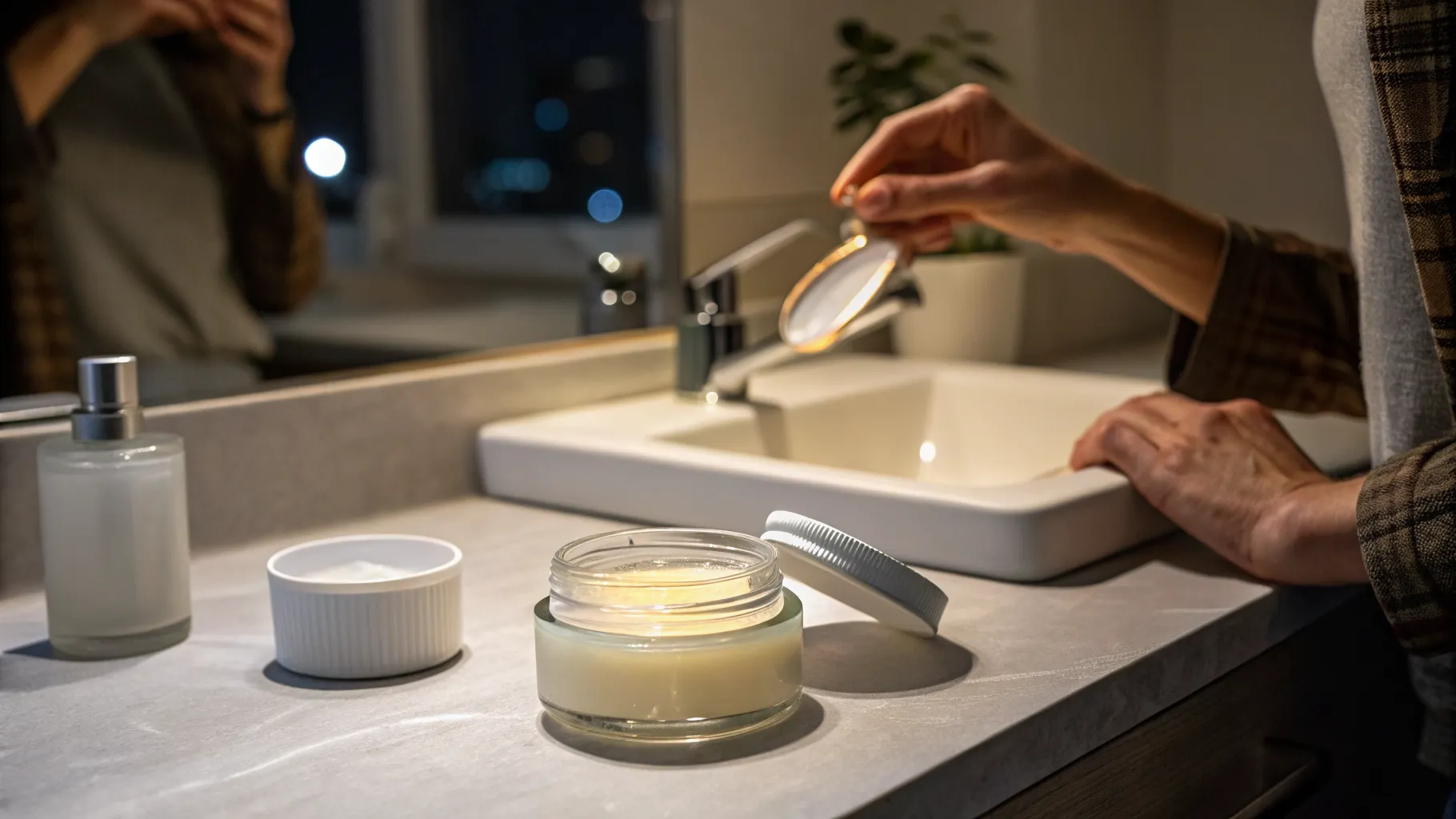
At its core, slugging is the final step in a nighttime skincare routine where you apply an occlusive moisturizer. An occlusive is a type of moisturizing agent that forms a protective layer on the surface of your skin, creating a barrier that prevents moisture from escaping. Think of it like putting a lid on a pot of water to stop it from boiling away. The most common product used for this is petroleum jelly, the main ingredient in Vaseline on face applications. When you apply your regular serums and moisturizers, they provide hydration (humectants) and nourishment (emollients). However, especially in dry environments or for people with a damaged skin barrier, this moisture can quickly evaporate. Applying a layer of Vaseline on top seals everything in, allowing your skin to fully absorb the benefits of your other products and to retain its own natural moisture throughout the night.
The Correct Way to Apply Vaseline for an Effective Slugging Treatment
To get the most out of this skincare hack, proper application is key. Simply slathering Vaseline on face without preparation can lead to suboptimal results or even issues like clogged pores if your skin isn't clean. Follow these steps for the perfect overnight face treatment:
- Step 1: Thorough Cleansing: Start with a completely clean face. Use a gentle cleanser to remove all makeup, dirt, and oil from the day. Since slugging will seal everything in, you want to ensure you're not trapping any impurities against your skin, which could lead to breakouts.
- Step 2: Apply Your Routine: Proceed with your normal nighttime skincare routine. This includes hydrating toners, serums (like hyaluronic acid), and a lightweight, water-based moisturizer. These layers provide the hydration that the Vaseline will lock in.
- Step 3: Apply the Occlusive Layer: Take a small, pea-sized amount of Vaseline. A little goes a long way. Warm it up between your fingertips to make it more spreadable, then gently apply a thin, even layer all over your face. Avoid the eye area if you're prone to milia.
- Step 4: Protect Your Bedding: Since petroleum jelly can be greasy, it's wise to protect your pillowcase. You can lay a clean, soft towel over your pillow or switch to silk or satin pillowcases that are less absorbent than cotton.
Who Benefits from Slugging (And Who Should Avoid It)?
The slugging skincare technique is not a one-size-fits-all solution. Its benefits are most pronounced for individuals with specific skin types and concerns. Those with very dry, dehydrated, or flaky skin will likely see the most dramatic improvement. It's also incredibly beneficial for people with a compromised skin barrier, which can result from over-exfoliation, harsh weather conditions, or skin conditions like eczema. The occlusive layer helps to repair and strengthen the barrier. However, if you have oily or acne-prone skin, you should approach this skincare hack with caution. While petroleum jelly itself is non-comedogenic (meaning it doesn't clog pores), its heavy, occlusive nature can trap excess sebum, dead skin cells, and bacteria, potentially worsening breakouts for some individuals.
Debunking Myths: Potential Side Effects of Using Vaseline on Your Face
One of the biggest misconceptions about slugging is that it suffocates the skin or directly causes acne. Petroleum jelly is a highly purified ingredient with a molecular structure that is too large to penetrate and clog pores. Therefore, it is considered non-comedogenic. The primary risk associated with using an occlusive moisturizer like Vaseline is its ability to trap whatever is underneath it. If your skin is not scrupulously clean before application, or if you apply it over comedogenic products, you may experience breakouts. It's not the Vaseline causing the acne, but rather the environment it creates. Some people may also find the texture heavy or uncomfortable. It is always recommended to patch-test any new product or technique, including this overnight face treatment, before applying it to your entire face.
Alternatives to Vaseline as an Occlusive Moisturizer
While Vaseline is the classic and most affordable option for slugging skincare, it's not the only choice. If you're looking for an alternative occlusive moisturizer, several other products offer similar barrier-forming benefits, often with added ingredients. Products like Aquaphor Healing Ointment contain petroleum jelly but also include ingredients like lanolin and glycerin for extra soothing and hydrating properties. CeraVe Healing Ointment is another popular choice, as it combines petroleum jelly with ceramides and hyaluronic acid to further support the skin barrier. For those seeking a less greasy feel, moisturizers rich in silicones (like dimethicone) or shea butter can also provide a semi-occlusive effect, though perhaps not as potent as pure petroleum jelly.
Frequently Asked Questions
Can I use Vaseline on my face every night for slugging skincare?
For those with extremely dry skin or a damaged skin barrier, nightly use can be very beneficial during the repair phase. However, for most people, using it 2-3 times a week or as an intensive overnight face treatment when your skin feels particularly dehydrated is sufficient to maintain a healthy moisture balance.
Will using an occlusive moisturizer like Vaseline cause breakouts?
Vaseline itself is non-comedogenic. Breakouts from slugging typically occur if the skin is not properly cleansed beforehand, trapping bacteria and oils. If you are highly acne-prone, it's best to proceed with caution and patch-test first, as the occlusive environment could potentially exacerbate breakouts for some individuals.
How much Vaseline should I use for this skincare hack?
A very small amount is needed. Aim for a pea-sized amount for your entire face. The goal is to create a very thin, breathable film, not a thick, goopy mask. Over-applying will only make it feel greasier and transfer more onto your pillowcase without adding extra benefits.
References
- Journal of Cosmetic Science
- American Academy of Dermatology (AAD) Publications
- Clinical, Cosmetic and Investigational Dermatology Reports
- Studies on Skin Barrier Function
Authored by 24Trendz team