Microcurrent Face Devices: Your Guide to At-Home Lifting and Toning
Facts:
- Microcurrent technology mirrors the body's natural bio-electrical currents.
- A key trend for individuals seeking a non-invasive facelift without downtime.
How Microcurrent Technology Redefines At-Home Skincare
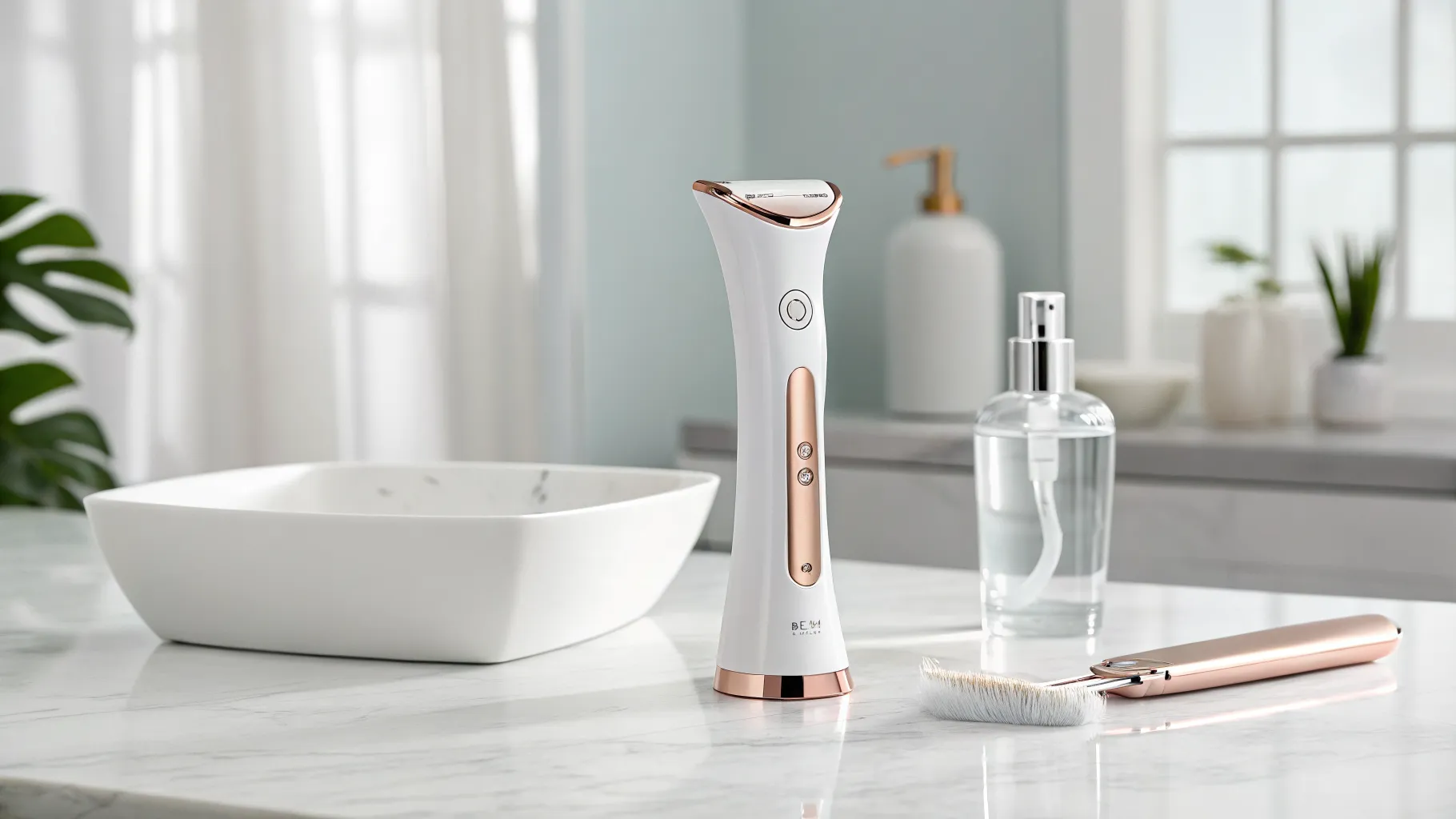
The pursuit of firm, youthful skin has transitioned from exclusive medical spas into the mainstream of home-based care, largely due to the accessibility of the modern at-home toning device. These sophisticated gadgets employ low-level electrical currents to stimulate facial muscles, providing a noticeable lift and contributing to superior facial contouring. This comprehensive guide explores the science behind microcurrent therapy, showing you how to achieve professional-level lifting and toning results, effectively rewinding the clock on skin aging directly from your bathroom.
The Science: How Microcurrent Therapy Works
At its core, microcurrent therapy operates by delivering gentle, low-voltage electricity that mirrors your body's own natural electrical signals. This stimulation reaches down to the muscular level, re-educating the muscles to contract and tighten. Think of it as a workout for your face. This process boosts the production of Adenosine Triphosphate (ATP), which is the energy currency of your cells. Increased ATP levels supercharge cellular metabolism, leading to enhanced production of structural proteins like collagen and elastin. The result is a firmer, smoother complexion and a visible reduction in fine lines and wrinkles, making it a cornerstone technology for anyone seeking a non-invasive facelift.
Selecting the Ideal At-Home Toning Device
Choosing the right at-home toning device can feel overwhelming with so many options on the market. Key factors to consider include FDA clearance, which ensures the device has been tested for safety and efficacy. Look at the microamp (μA) output; devices designed for home use typically range from 100 to 500 μA. Also, consider the device's ergonomics and treatment heads. Some devices come with interchangeable attachments for targeting different areas, like the eyes and lips, which is crucial for detailed facial contouring. Finally, read reviews and check for warranties to ensure you're investing in a quality product that will deliver consistent results.
Your Step-by-Step Guide to Effective Facial Contouring at Home
To achieve the best results with microcurrent therapy, a proper technique is essential. Follow this guide for an effective session:
- Cleanse Thoroughly: Start with a clean, oil-free face. Any residue can block the microcurrents from penetrating effectively.
- Apply Conductive Gel: This is a non-negotiable step. A conductive gel, primer, or serum is necessary for the current to be transferred from the at-home toning device to your facial muscles. Apply a thick, mask-like layer to the area you plan to treat first.
- Glide Upwards and Outwards: Always move the device in an upward and outward motion against gravity. Start from the center of your face and glide towards the hairline. For the neck, glide upwards towards the jawline. For the forehead, move from the brows up to the hairline. This technique promotes the lifting effect desired for facial contouring.
- Be Consistent: Adherence to a regular schedule is paramount. Aim for five-minute sessions, five times a week for the first two months, then reduce to two or three times a week for maintenance.
Microcurrent vs. Other Technologies: A Comparative Look
In the world of at-home beauty, microcurrent is not the only player. Radiofrequency (RF) devices heat the deeper layers of the skin to stimulate collagen, focusing more on skin tightening than muscle toning. LED therapy uses different wavelengths of light to address concerns like acne and inflammation. While both are effective, microcurrent therapy is unique in its ability to target the musculature beneath the skin, offering a true lifting and toning benefit that mimics a non-invasive facelift. For comprehensive anti-aging, many users combine these technologies, but for pure lift and contour, microcurrent remains the gold standard.
Maximizing and Maintaining Your Toning Results
Getting great results from your at-home toning device is one thing; maintaining them is another. Consistency is the most critical factor. Do not stop your routine once you see improvement. Think of it as ongoing fitness for your face. Proper hydration, both by drinking water and using hydrating skincare, will also enhance your results, as well-hydrated skin conducts electricity more effectively. Pairing your microcurrent therapy sessions with a high-quality skincare regimen that includes antioxidants and peptides will further support skin health and amplify the visible benefits of your efforts in facial contouring.
Frequently Asked Questions
Is microcurrent therapy a painful treatment?
Not at all. Microcurrent treatments are typically sub-sensory and painless. Most users report a mild tingling sensation at most, or often feel nothing. The electrical current is extremely low and designed for safe, comfortable use.
How soon will I see results from an at-home toning device?
While some users notice an immediate, temporary lift after the first use, significant and lasting results typically appear after 4-6 weeks of consistent use. Cumulative benefits build over time as muscle tone improves and collagen production increases.
Can I use any gel for facial contouring with a microcurrent device?
It is crucial to use a water-based conductive gel. Oil-based products will block the microcurrents. Most device manufacturers sell their own specifically formulated primers, but any water-based, oil-free gel or hydrating serum will work.
References
- Journal of Aesthetician Practice: Studies on Microcurrent and ATP Stimulation.
- Dermatologic Surgery Journal: Analysis of Non-invasive Skin Tightening Modalities.
- Cosmetic & Toiletries Magazine: The Science of Electrical Energy in Skincare.
Authored by 24Trendz team