Unclaimed freight containers on sale: An Industrial Guide to Sourcing and Regulatory Compliance
When exploring the market for unclaimed freight containers on sale, it is critical to look past the entertainment-driven depictions of shipping container auctions and examine the concrete logistics that govern this secondary industry. The global supply chain, despite its modern efficiency, regularly experiences disruptions that leave cargo stranded at ports, customs warehouses, and transit hubs. For commercial buyers and logistics professionals, these abandoned assets represent both an opportunity to secure heavy-duty steel structures and a highly regulated sector of commercial liquidations.
The Logistics Behind Abandoned and Unclaimed Freight
Approximately ninety percent of non-bulk global trade moves within steel shipping containers, meaning millions of units are in transit daily. A tiny fraction of these shipments becomes designated as abandoned or unclaimed cargo due to a variety of operational complications 1. The primary causes for abandonment include unsuccessful customs clearance, corporate bankruptcy of the receiving company mid-transit, order cancellations, and customer refusals stemming from transit damage or supplier disputes 1 2.
When a dispute or logistical failure occurs, containers frequently sit idle at maritime terminals or inland bonded warehouses, where storage and demurrage fees begin to accrue daily 2. In many cases, these compounding terminal fees quickly exceed the total net worth of the containerized cargo. When tariff changes or sudden shifts in duty exposure make clearing the cargo financially unviable, the shipping line or cargo owner may choose to walk away from the shipment entirely, transferring ownership challenges to the port authorities 2.
Legal Lifecycles and Regulatory Frameworks
To understand the timeline of unclaimed container liquidations, buyers must examine the regulatory guidelines enforced by Customs and Border Protection agencies. In the United States, when an import cargo remains uncleared or unpaid at a port of entry, it is legally designated as unclaimed merchandise after a specified period 3. If an importer fails to file the appropriate entry documentation or pay required duties within fifteen days of cargo arrival, the goods are systematically routed to a General Order warehouse 3.
A General Order warehouse is a secure, bonded storage facility where cargo is held while logistical and documentation issues are reviewed 3. The responsibility for transportation and storage fees during this holding period falls entirely on the importer 3. If the merchandise remains uncleared in this custody for more than six months, the government reserves the legal right to confiscate or auction off the assets to recoup the accumulated storage costs 1 3.
Sourcing Channels and Industrial Auction Environments
Legitimate acquisitions of unclaimed cargo containers and their contents are conducted through structured industrial platforms rather than informal consumer-facing websites. Port authorities, government bodies, and commercial logistics agencies utilize established platforms like GovDeals and CWS Marketing to liquidate these seized or abandoned physical assets 4 5. These sales are generally structured as unreserved public auctions where verified bidders can submit offers on surplus machinery, industrial materials, and physical steel structures 4 5.
Unlike the sensationalized depictions of consumer mystery box sales, industrial liquidations are highly structured transactions. Buyers must typically register with commercial credentials, pay standard bid deposits, and comply with strict pick-up deadlines. Major logistics companies often coordinate directly with specialized liquidation firms to clear stranded inventory through wholesale channels, bypassing the general retail market entirely to manage port congestion and stop terminal fee accumulation 2.
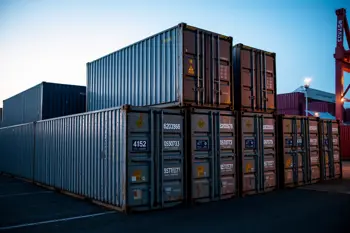
Specifications and Historical Valuations of Containerized Assets
When participating in secondary market acquisitions, buyers encounter diverse container specifications and varying physical conditions. Standard offerings range from compact seven-foot steel utility units to massive forty-foot high cube containers manufactured from corrosion-resistant Corten steel 6. These containers can feature unique configurations such as double cargo doors, multi-access side doors, and timber flooring, making them highly versatile for industrial storage or structural conversions 6 7.
| Container Type | External Dimensions | Material Spec | Historical Valuation Data |
|---|---|---|---|
| 40ft High Cube | 40ft x 8ft x 9ft 6in | Corten Steel & Marine Wood | $2,551 starting bid / $15,000 MSRP 6 |
| 20ft Standard | 20ft x 8ft x 8ft 6in | Corten Steel & Timber | $1,701 historical price 11 |
Strategic Operational Planning and Sourcing Hubs
The spatial geography of supply chains plays a critical role in where unclaimed freight accumulates. Major logistical arteries, such as the Dallas-Fort Worth metroplex in Arlington, Texas, function as key processing nodes where misrouted, refused, or stranded freight is collected due to regional transit densities 8. Similarly, northern transit corridors like Minnesota see high rates of stalled freight moving between Pacific Northwest ports and Midwestern distribution centers, generating opportunities for local B2B liquidators 9.
For professional B2B wholesalers, relying on localized, random liquidation outlets is generally secondary to implementing a structured, global sourcing strategy. Understanding the lifecycle of cargo from its legal declaration of abandonment after thirty to ninety days to its eventual processing at specialized hubs allows buyers to predict inventory availability 10. This systematic approach ensures a reliable supply chain pipeline instead of relying on the unpredictable nature of regional port auctions 9 10.
Mitigating Risk, Hidden Costs, and Common Pitfalls
Acquiring containers or cargo sight-unseen carries substantial financial risk that requires diligent inspection. Secondary market containers are regularly sold in "as is" condition, meaning buyers must accept structural wear such as exterior scuffs, paint scratches, and corner casting rust 7. Critical structural defects, such as minor holes in the roof or compromised door seals, can render a container vulnerable to water intrusion and compromise the safety of any stored materials 7.
Furthermore, most commercial auction terms dictate that transactions are final, offering no warranties, refunds, or after-sales services 6. Buyers must also account for substantial logistics costs, as the physical transport of a twenty-foot or forty-foot container from an auction depot to a final destination is rarely included in the purchase price and must be arranged independently 11. Verifying the presence of a CSC safety approval plate is essential to ensure the container is legally transport-ready 7.
Sources
- Aztec Container
- United Liquidations
- Promptus LLC
- GovDeals
- CWS Marketing Group
- JD Auction
- Global Auction Guide
- LooperBuy Arlington
- LooperBuy Minnesota
- LooperBuy Secrets
- Cargo Container Store
Authored by 24Trendz team