How vacuum constriction devices operate: A Clinical Guide to Mechanical Erectile Therapy
For individuals researching erectile health and non-drug options, understanding how vacuum constriction devices operate is crucial to achieving consistent physical support without systemic side effects. Vacuum constriction devices, also known as vacuum erection devices or penis pumps, are clinically recognized, non-invasive tools used to manage erectile dysfunction 1. By relying on physical mechanics rather than chemical triggers, these systems serve as a reliable alternative for individuals who prefer non-pharmacological support or cannot tolerate standard oral medications 2.
1. The Core Mechanical Principles of Negative Pressure
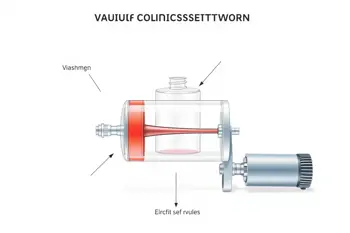
The operating principle of a vacuum constriction device is based on negative pressure and atmospheric differential. When the cylinder is applied firmly against the pelvic region to establish an airtight seal, the pumping mechanism actively extracts air from the chamber 3. This process lowers the air pressure inside, creating a partial vacuum relative to the surrounding environment 4. This pressure drop generates a vacuum force that expands vascular pathways and draws blood directly into the corpora cavernosa 5.
Unlike pharmacological agents that rely on chemical pathways, the VCD functions as an external mechanical force 4. The vacuum forces arterial blood into the erectile chambers, engorging the tissues to induce physical tumescence 5. Because this process bypasses neurological or hormonal triggers, an erection can be achieved even when nerve damage or vascular blockages are present 4. This predictable action provides physiological support regardless of the underlying etiology of the erectile issues.
2. Primary Structural Components of a VCD System
A medical-grade vacuum constriction device consists of three fundamental components that work systematically to achieve and maintain tumescence. The primary structure is a clear cylinder, typically made of rigid acrylic, which fits over the penis and allows the user to visually monitor expansion 1, 3. The second component is the pump mechanism, which is connected directly to one end of the cylinder and can be operated either manually with a hand grip or via battery power 1, 4.
The third component consists of elastic tension bands, also known as constriction rings, which fit around the base of the cylinder 2. Once the vacuum achieves the desired rigidity, the elastic ring is slid onto the lower end of the penis 2. The ring restricts venous drainage, trapping the blood inside the erectile tissues 4. Medical systems also feature integrated pressure-limiting valves and quick-release safety switches to prevent vascular injury during operation 3, 4.
3. Step-by-Step Clinical Protocol for Operation
To operate a vacuum constriction device safely, users must follow a standardized protocol. The process begins with applying a generous amount of water-soluble personal lubricant to both the base of the penis and the rim of the cylinder 3. This lubrication is essential for establishing an airtight seal against the pubic bone and ensuring a smooth transition for the constriction band 2, 3. Once the cylinder is positioned securely, the user activates the pump slowly to extract the air and gradually build negative pressure 3.
As the vacuum draws blood into the shaft, the user maintains steady pressure until sufficient firmness is reached 2. Next, the user slides the pre-loaded retaining band off the cylinder and onto the base of the penis 2. After the ring is securely positioned, the vacuum release valve is activated to equalize the pressure, and the cylinder is removed 2. The constriction band remains in place to preserve the erection during intercourse 2.
4. Clinical Efficacy Rates and Patient Outcomes
Clinical studies demonstrate high success rates for vacuum constriction devices across a broad spectrum of users. Historical data indicates that approximately 60% to 90% of men are able to achieve an erection sufficient for intercourse when using a medical-grade VCD correctly 4. General satisfaction rates among consistent users range from 50% to 80%, although long-term adherence can decline over time due to the mechanical nature of the process and a perceived loss of spontaneity 2.
Compared to oral PDE5 inhibitors, which show lower efficacy rates in patients with severe diabetes or post-prostatectomy, VCDs remain highly reliable 6. The mechanical action ensures that blood flow is achieved regardless of the physiological blockages that often render oral medications ineffective 6. However, users should be prepared for minor structural differences, as erections achieved via negative pressure may feel slightly less stable at the base than natural ones 7.
5. Safety Features and Critical Usage Guidelines
Operating a vacuum constriction device requires strict adherence to safety guidelines to prevent localized tissue damage. The most critical safety constraint is the 30-minute limit for keeping the constriction ring in place 2, 3. Leaving the elastic band on for longer than 30 minutes can cause prolonged ischemia, resulting in nerve injury, bruising, or tissue damage 4. Once the band is removed, normal blood circulation must be restored fully before attempting to use the device again 7.
Additionally, it is crucial to purchase only medical-grade devices that feature a built-in vacuum limiter and a quick-release valve 3. Non-regulated consumer products often lack these limiters, which can lead to dangerously high pressure levels and penile injuries 5. Safe operation is characterized by a gradual, painless pressure buildup, and users must terminate the session immediately if they experience numbness, acute pain, or skin discoloration 9.
6. Medical Indications, Risks, and Contraindications
Vacuum constriction therapy is highly regarded in clinical urology, particularly for penile rehabilitation following radical prostatectomy 6. Prostate surgery frequently leads to post-operative erectile dysfunction due to localized nerve trauma, with studies indicating high rates of erectile difficulties up to 15 years after the procedure 8. Regular use of a VCD under medical supervision helps prevent tissue atrophy, limits hypoxia, and maintains overall structural health by encouraging oxygen-rich blood flow to recovering tissues 5, 8.
Despite its high safety profile, vacuum therapy carries specific risks and contraindications that require a professional evaluation. Common minor side effects include bruising, local numbness, and the temporary blockage of ejaculation, which is harmless but can alter the sensory experience 7. The device is contraindicated or must be used with extreme caution by individuals with bleeding disorders, sickle cell disease, or those taking oral anticoagulants 4, 9. A consultation with a urologist ensures the device is safely integrated into a broader treatment plan.
Sources
- Mayo Clinic: https://www.mayoclinic.org/tests-procedures/penis-pump/about/pac-20385225
- WebMD: https://www.webmd.com/erectile-dysfunction/vacuum-constriction-devices
- ADAM: https://sbrmc.adam.com/content.aspx?gid=000985&pid=60&productid=117
- Verywell Health: https://www.verywellhealth.com/penis-pumps-for-ed-5210450
- Urosculpt Medical Education: https://www.upsizematters.com/learn/methods/vacuum-pumps.html
- Ziv: https://zivhealth.com/erectile-dysfunction/compare/vacuum-erection-device-vs-pde5/
- HealthSpring Healthier Together: https://www.healthspringhealthiertogether.com/library/vacuum-devices-for-erection-problems-hw111500/
- Proactive Pelvic Health Centre: https://www.proactiveph.com/blog/vacuum-erection-devices-for-penile-health
- Ubie Doctor's Note: https://ubiehealth.com/doctors-note/doctor-approved-penis-pump-vcds-ed-safety-plans-4233e1
Authored by 24Trendz team