Warning Signs of Parkinson's Disease: A Comprehensive Clinical Overview
Understanding the warning signs of Parkinson's disease is an essential component of neurological health awareness, as early detection may eventually facilitate more effective management strategies 3. Parkinson's disease is a progressive neurodegenerative disorder that primarily impacts the nervous system by damaging dopamine-producing nerve cells within the substantia nigra of the brain 1, 4. With approximately 1.1 million individuals affected in the United States and 90,000 new diagnoses reported annually, the condition represents a significant focus of current medical research 1, 4, 6.
Recognizing Early Motor Symptoms
While the stereotypical image of Parkinson's disease often centers on hand tremors, motor symptoms can manifest in a variety of more subtle ways that frequently go unnoticed in the early stages 4. A resting tremor, which typically involves a rhythmic shaking in a finger, hand, or foot while the limb is stationary, is a hallmark sign for many, though not all, individuals 3, 5. Additional motor changes may include bradykinesia, characterized by a general slowness of movement that can make daily tasks, such as rising from a chair, buttoning clothes, or tying shoelaces, significantly more difficult 6, 9. Furthermore, individuals may observe micrographia, a condition where handwriting becomes progressively smaller and more cramped over time 3, 9.
Identifying Prodromal Non-Motor Indicators
Evidence suggests that the pathological changes associated with Parkinson's disease may begin a decade or more before motor symptoms become clinically apparent 3, 7. During this prodromal phase, non-motor symptoms such as a diminished sense of smell, chronic constipation, and various sleep disturbances can emerge 2, 8. Notably, REM sleep behavior disorder, in which individuals physically act out vivid dreams by talking, shouting, or thrashing, has been strongly associated with a higher probability of developing the condition later in life 2, 9.
The Physiological Basis of Symptoms
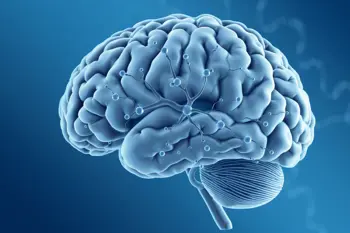
The progression of symptoms is directly linked to the loss of neurons in the substantia nigra that are responsible for producing dopamine, a critical neurotransmitter for smooth, coordinated movement 6, 8. By the time an individual experiences noticeable motor deficits, it is estimated that 50 to 80 percent of these dopamine-producing neurons have already been lost 3, 7. Beyond dopamine, the depletion of norepinephrine, which regulates autonomic functions like blood pressure and heart rate, contributes to non-motor symptoms such as fatigue and dizziness when standing 8.
The Impact of Behavioral and Speech Changes
Beyond physical movement, Parkinson's disease can influence vocal qualities and facial expressiveness, often leading to what clinicians describe as facial masking or a diminished range of non-verbal cues 3, 9. Speech may also become softer, lower in volume, or increasingly hoarse as the disease progresses 9. These changes are frequently dismissed as signs of normal aging, but when they occur in conjunction with other motor or non-motor signs, they necessitate professional evaluation to determine the underlying cause and ensure appropriate care pathways are established 1, 9.
Diagnostic Considerations and Risk Factors
It is critical to note that no single symptom serves as a definitive diagnostic marker for Parkinson's disease, as many indicators overlap with other health conditions 3, 5. Diagnosis remains a clinical process, relying on a thorough review of medical history, neurological examination, and symptom patterns 12. While age is the most significant risk factor, with most diagnoses occurring after the age of 60, approximately 2 to 10 percent of cases are classified as early-onset, occurring in individuals younger than 50 5, 6. Genetics, lifestyle, and environmental factors are also believed to play complex, intertwined roles in the development of the disorder 4, 5.
Importance of Clinical Evaluation
If an individual observes a cluster of these signs, particularly if they are progressive and unexplained, a consultation with a neurologist or movement disorder specialist is recommended 3, 9. Early intervention, while not currently offering a cure, provides access to medical therapies and lifestyle modifications designed to manage symptoms and maintain functional independence for as long as possible 4, 9. Engaging with healthcare providers early allows for proactive planning and the potential for participating in clinical research focused on slowing disease progression 3.
Sources
- Harvard Health: How to spot Parkinson's disease symptoms
- American Parkinson Disease Association: Early Warning Signs of Parkinson's Disease
- Parkinsons.org: Early Signs and Symptoms of Parkinson's Disease
- Stony Brook Medicine: Early Signs of Parkinson's Disease: Symptoms Beyond the Tremor
- Scripps Health: Early Signs of Parkinson's Disease: What to Know?
- UPMC HealthBeat: What to Know About Parkinson's Disease Symptoms
- NCBI Bookshelf: StatPearls - Parkinson Disease
- UHealth Collective: Early Parkinson's Symptoms: 3 Subtle Signs
- Keck Medicine of USC: Seven warning signs of Parkinson's disease
Authored by 24Trendz team