Department of Transportation surplus fleet vehicles: A Comprehensive Guide to Public Procurement and Fleet Management
Many organizations and public entities seek to acquire Department of Transportation surplus fleet vehicles as a practical method of expanding operational capacity or securing heavy-duty utility assets. Because state and federal transportation agencies cycle through passenger vehicles, machinery, and trucks on strict operational schedules, these retired assets frequently enter public disposition channels. This complex process is governed by strict administrative frameworks designed to liquidate capital assets systematically while retrieving residual value for public treasuries.
Federal and State Allocation Frameworks for Surplus Fleets
The distribution of federal and state surplus vehicles is handled through a structured prioritization program before any assets ever reach a public sale. At the federal level, the General Services Administration manages the allocation of excess personal property, including vehicles declared surplus by federal agencies and components of the Department of Transportation. Under these rules, state and local governments, along with eligible non-profit organizations, can request federal surplus property through their designated State Surplus Property Administrator. This donation program provides access to vehicles with minimal administrative overhead.
For example, programs like the Nevada State Agency for Surplus outline specific terms and conditions under which public agencies or tax-exempt entities can acquire federal surplus property 1. Recipients must agree to put the acquired vehicles or equipment into use within one year of receipt and maintain that usage for at least twelve months 1. During this compliance period, recipients are prohibited from selling, trading, or dismantling the vehicles for parts without receiving prior written authorization 1. This ensures that taxpayer-funded equipment continues to deliver public benefit.
The Impact of the Federal Transit Administration Rule Updates
Recent regulatory updates under the Infrastructure Investment and Jobs Act have established clearer guidelines regarding how transit assets purchased with federal funding are retired. The Federal Transit Administration issued updated rules designed to remove ambiguity for municipal fleet managers and transit authorities managing capital replacement cycles 2. These updates require agencies to document and track the minimum useful life of rolling stock and transit equipment before declaring them surplus 2.
This systematic documentation process requires public transit agencies to account for the exact federal funding share when selling or redistributing older assets 2. Even when specific vehicles do not fall directly under federal jurisdiction, the policy creates standard lifecycle discipline for local departments managing heavy machinery and utility fleets 2. When these capital assets reach the end of their defined service life, they are systematically pushed to public auction platforms to offset new equipment purchases.
Primary Procurement Platforms and Regional Operations
The liquidation of Department of Transportation surplus fleet vehicles relies heavily on dedicated public auction platforms rather than centralized, unified marketplaces. State agencies partner with online auction providers to reach a broader audience of qualified regional and national buyers. For instance, the Pennsylvania Department of General Services regularly facilitates municipal and public auctions for surplus PennDOT equipment via GovDeals 3. These structured events offer local governments first-tier bidding access before opening auctions to the general public 3.
To illustrate the regional diversity of these procurement programs, several state-specific models are detailed in the table below:
| State Agency | Authorized Auction Partner | Typical Fleet Inventory |
|---|---|---|
| Pennsylvania DOT | GovDeals and Municibid | Dump trucks, off-road machinery, and utility trailers 3 4 |
| California DOT | Bar None Auction | Motor graders, street sweepers, and work trucks 5 |
| Virginia DGS | GovDeals and Local Auction Houses | State vehicles, heavy machinery, and support equipment 6 |
| South Dakota DOT | Bradeen Real Estate | Police interceptors, 4x4 utility trucks, and tractors 7 |
This regionalized structure means buyers must register separately across multiple auction platforms depending on their geographical focus and the specific type of equipment required.
The Logistics of Public Auctions and Asset Dispositions
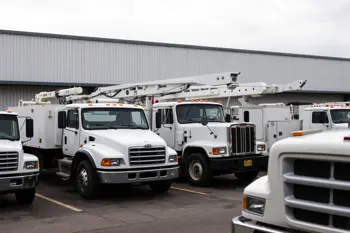
State and municipal agencies manage massive volumes of vehicle retirements annually, which necessitates partnering with professional heavy equipment auction firms. In California, the Department of Transportation awarded a major contract to Bar None Auction to manage the statewide sale of older road maintenance and fleet equipment 5. Caltrans purchases thousands of new fleet vehicles annually, meaning older assets must be liquidated systematically through public auctions without minimum reserves 5.
These competitive, open auctions are managed from permanent facilities located in Sacramento and Fontana to ensure statewide logistical access for buyers 5. Similarly, in other jurisdictions, unique high-value transit assets are periodically auctioned online. The Government of the District of Columbia famously utilized online marketplaces to auction retired historic streetcars, illustrating the expansive scope of municipal transportation assets that pass through these public channels 8.
Administrative Obstacles and the SF-97 Titling Process
Acquiring surplus vehicles directly from federal agencies or state departments of transportation can present significant administrative hurdles during the post-sale titling phase. Federal agencies do not issue standard state vehicle titles to buyers at the point of pickup 9. Instead, they provide a Standard Form 97, also known as the Certificate of Release of a Motor Vehicle 9. This certificate serves as the official federal document proving ownership transfer, but its processing at local DMVs can be highly inconsistent.
In many states, Department of Motor Vehicles clerks are unfamiliar with the SF-97 document, which can lead to processing delays or incorrect vehicle classifications, such as mistakenly labeling a clean vehicle with a salvage title 9. Because of these administrative friction points, experienced fleet buyers must carefully prepare their paperwork or seek specialized titling routes to ensure the vehicle is registered correctly 9. Navigating these bureaucratic hurdles requires a clear understanding of state-level titling guidelines before bidding on federal fleet assets.
Risk Management, Physical Inspections, and Maintenance Realities
While Department of Transportation surplus fleet vehicles are often maintained according to strict government schedules, they are ultimately sold under rigid as-is, where-is terms. Bidders must recognize that the physical and mechanical condition of these retired vehicles is not guaranteed by the selling agency. For example, some retired utility trucks may have high engine idle hours that do not reflect on the odometer, or they may require auxiliary power systems that are costly to repair 9.
To mitigate these risks, auction houses and state agencies strongly advise buyers to schedule in-person inspections during designated preview days before placing active bids. In Pennsylvania, PennDOT coordinates specific preview windows at regional maintenance facilities to allow potential buyers to evaluate dump trucks and heavy machinery firsthand 3. Understanding the mechanical nuances, potential rust spots, and electrical configurations of retired public works vehicles remains a vital step in avoiding costly procurement errors.
Sources
- Nevada State Purchasing: Federal Surplus Property Terms and Conditions
- Municibid: Transit Surplus Rule Update: What Agencies Need To Know
- PennWatch: DGS to Open Online Auction for Surplus PennDOT Equipment
- Archynewsy: Pennsylvania Surplus Vehicles and Equipment to be Auctioned
- PR Newswire: Bar None Auction Awarded California Department of Transportation (Caltrans) Contract
- Virginia Department of General Services: Public Auctions Calendar and Guidelines
- Capital Journal: South Dakota State Surplus Vehicle and Equipment Auctions Advertisement
- GlobeNewswire: District of Columbia Auctions Retired Streetcars Through GovDeals
- 0taxtags: Government Surplus Vehicle Guide: Ex-Police & SF-97 Fix
Authored by 24Trendz team