Natural ways to treat thinning hair: An evidence review for safer decisions
Natural ways to treat thinning hair include dietary changes, gentler styling, and selected botanical or nutritional approaches, but the appropriate option depends on the cause of shedding. Research on dietary supplements is expanding, while clinical guidance continues to emphasize diagnosis, correction of deficiencies, and protection of fragile hair rather than promises of universal regrowth.
Start by identifying why hair is thinning
Hair loss can reflect hereditary pattern loss, hormonal changes, illness, medication effects, nutritional deficiencies, stress, autoimmune disease, or damaging hair practices. Medical references list these causes as distinct possibilities, meaning the same natural approach may be relevant for one person and ineffective for another. Sudden, patchy, rapidly progressing, or inflamed scalp changes require professional assessment because infection, thyroid disease, autoimmune conditions, and other medical problems can present with hair loss. 5 6
Temporary diffuse shedding may follow major stress, illness, surgery, rapid weight loss, or nutritional problems. This pattern, known as telogen effluvium, can differ from gradually widening part lines or a receding hairline associated with hereditary loss. A clinician may therefore examine the scalp, review recent health changes and medicines, and decide whether laboratory testing is appropriate before supplements are considered. 10 11
Use food and deficiency correction as the foundation
Adequate protein supports normal hair production, and insufficient intake can contribute to shedding. Crash dieting and rapid weight loss are also recognized triggers for temporary diffuse hair loss, so a balanced eating pattern is more relevant than a highly restrictive regimen. The American Academy of Dermatology recommends adequate protein and a balanced diet as part of hair-loss self-care. 4 10
Iron deficiency can contribute to hair loss, but iron supplements are not appropriate for everyone. The National Institutes of Health notes that excess iron can be harmful, supporting testing or professional guidance before supplementation. Zinc, vitamin D, and protein status may also be relevant when dietary intake or medical history suggests a deficiency, but indiscriminate high-dose supplementation can create risks and may not address hereditary thinning. 8 6
What botanical treatments may offer
Rosemary oil has limited but notable clinical evidence. A randomized comparative trial in men with androgenetic alopecia reported a significant increase in hair count after six months, while the study was relatively small and the researchers indicated that further evidence was needed. Topical essential oils can also cause irritation or allergic reactions, so scalp tolerance is an important safety consideration. 3
Interest in plant compounds has grown beyond rosemary. A 2026 systematic review and meta-analysis included 32 randomized controlled trials involving 2,183 adults with non-scarring alopecia. Oral and topical polyphenolic interventions improved hair density and total area hair count compared with controls, with standardized mean differences of 0.90 and 1.03 respectively, although substantial heterogeneity was observed. Direct comparisons with minoxidil did not show significant differences in overall hair-count outcomes. 2
Interpret supplement evidence cautiously
A 2026 Frontiers in Nutrition systematic review and network meta-analysis examined dietary supplements for androgenetic alopecia, focusing on outcomes such as hair density and terminal hair density. The authors described supplements as an adjunct area of interest, but also identified small sample sizes, diverse interventions, and limited direct comparisons among supplements as important evidence limitations. This means findings for one formulation cannot automatically be transferred to every capsule, powder, or botanical blend. 1
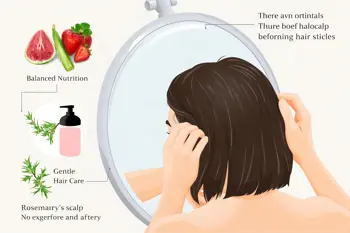
Saw palmetto, pumpkin seed oil, caffeine, capsaicin, and other phytochemicals appear in reviews of hair-growth interventions, but evidence varies by ingredient, dose, route, study population, and outcome measurement. A mini-review focused on menopausal women described botanical approaches involving mechanisms such as 5-alpha-reductase inhibition and oxidative-stress pathways, while emphasizing emerging clinical data rather than established universal effectiveness. Menopausal hair loss may involve estrogen decline and increased androgen sensitivity, so context remains important. 12 1
Protect existing hair from preventable damage
Gentle hair care can reduce breakage, which may make thinning appear worse even when follicles are still producing hair. Avoiding excessive heat, harsh chemical treatments, vigorous brushing, and repeated mechanical stress is consistent with dermatology guidance. These measures protect the hair shaft, but they do not reverse follicle miniaturization caused by hereditary pattern loss. The distinction matters because less breakage can improve appearance without producing new follicular growth. 4
- Reduce tight ponytails, braids, buns, extensions, and other styles that continuously pull on the scalp.
- Handle wet or fragile hair gently and limit repeated high-heat styling.
- Monitor persistent scalp pain, scaling, redness, or inflammation rather than treating those signs only as cosmetic problems.
Frequently worn tight hairstyles can cause traction alopecia, and prolonged pulling may permanently damage follicles. This risk is separate from genetic hair loss and can be overlooked when thinning occurs around the hairline or in areas exposed to repeated tension. Adjusting styling practices is therefore a preventive measure with a clearer rationale than many untested topical remedies. 7
Approaches with limited or misleading evidence
Scalp massage has limited evidence as a treatment for thinning hair and should not replace evaluation for medical causes. It may be used as a comfort-oriented grooming practice, but current evidence does not establish it as a reliable method for reversing hereditary or inflammatory alopecia. Onion juice, castor oil, rice water, and similar internet remedies also lack the level of controlled evidence needed to support dependable regrowth claims based on the supplied research. 5 11
Biotin illustrates why natural does not automatically mean risk-free or effective. High-dose biotin has little evidence for improving hair growth when deficiency is absent, and the U.S. Food and Drug Administration warns that it can interfere with laboratory tests, including some hormone and cardiac-injury tests. Anyone taking biotin should disclose it before blood testing so results can be interpreted safely. 9
Set realistic expectations and know when to seek care
No natural treatment reliably reverses every form of hereditary pattern hair loss. Natural measures may support scalp and hair-shaft health, or help address shedding caused by a confirmed deficiency, stressor, or restrictive diet, but progressive genetic thinning often requires a dermatologist’s assessment and may not respond adequately to lifestyle measures alone. Early evaluation is relevant because treatment depends on whether the cause is hereditary, inflammatory, infectious, hormonal, nutritional, or practice-related. 11 6
Seek medical advice for sudden or patchy loss, rapidly increasing shedding, scalp inflammation, or hair loss accompanied by other symptoms. A practical evidence-based sequence is to document the pattern, review recent illness and weight changes, assess diet and styling practices, investigate suspected deficiencies with professional guidance, and reassess over time. This approach reduces unnecessary supplement exposure while keeping potentially treatable medical causes from being missed. 5 8 10
Sources
- Frontiers in Nutrition, “Effects of dietary supplements on androgenetic alopecia”
- Nutrition Evidence Database, “Efficacy of polyphenolic compounds for hair regeneration”
- PubMed, randomized rosemary oil trial
- American Academy of Dermatology, hair-loss self-care
- NHS, hair loss
- Mayo Clinic, hair loss causes
- Cleveland Clinic, traction alopecia and hair loss
- NIH Office of Dietary Supplements, iron
- U.S. Food and Drug Administration, biotin and laboratory tests
- UCSF Health, telogen effluvium
- Stanford Health Care, hair-loss evaluation
- Frontiers in Pharmacology, botanical preparations for menopausal hair loss
Authored by 24Trendz team