Where to Save in Your Energy-Efficient Window Upgrade: Maximizing Long-Term Savings
Facts:
- New windows can reduce energy loss by 25-30%.
- Demand for energy-efficient windows is projected to grow for homeowners.
Strategizing Your Investment in Energy-Efficient Window Upgrade
Undertaking an energy-efficient window upgrade for your home is a substantial investment, but it's one that promises significant long-term savings on utility bills and enhanced comfort. Navigating the various options and finding opportunities to save without compromising quality is crucial for a successful project. This guide delves into practical strategies to help homeowners identify key areas where they can wisely reduce window replacement costs, ensuring their investment delivers maximum value and efficiency.
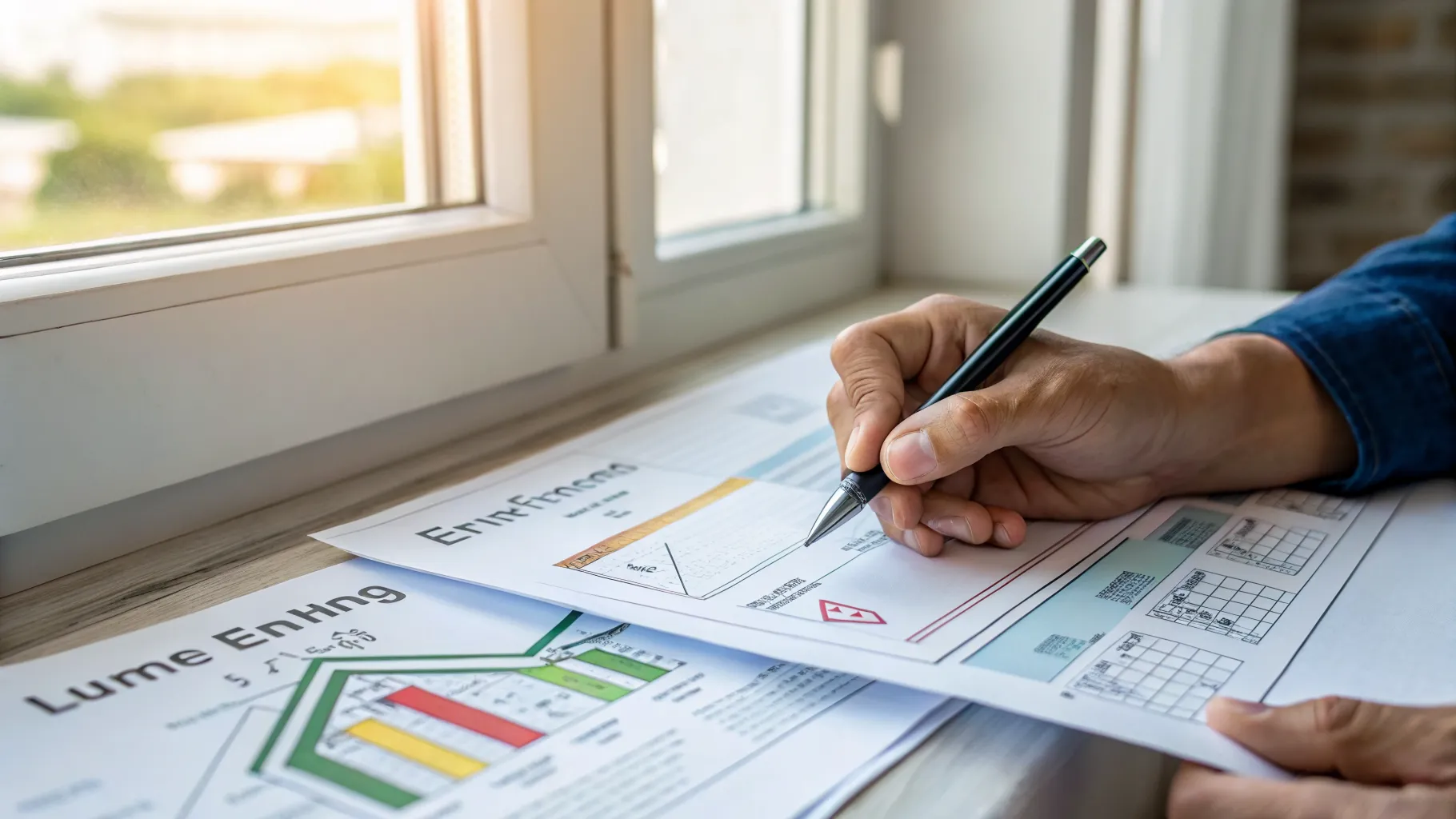
Cost-Saving Strategies for Your Energy-Efficient Window Upgrade
Prioritizing Window Replacement Areas
One of the most effective ways to manage window replacement costs is to strategically prioritize which windows to upgrade first. Instead of replacing all windows at once, homeowners can focus on those with the poorest insulation or most significant drafts. Typically, windows on the north and west sides of a house, or those exposed to prevailing winds, contribute most to heat loss in winter and heat gain in summer. Identifying these critical areas and replacing them with high-performance energy-efficient windows can provide immediate and noticeable reductions in energy consumption, allowing for incremental investment rather than a single large outlay. This phased approach can make a significant energy-efficient window upgrade project more financially manageable over time, while still delivering substantial benefits.
Exploring Different Window Materials and Types
The choice of window frame material and glass type plays a pivotal role in both the upfront cost and the overall energy efficiency of your energy-efficient window upgrade. Vinyl frames are often the most budget-friendly option, offering excellent insulation properties and low maintenance. Fiberglass frames are more expensive but offer superior durability and stability, making them an excellent long-term investment. Wood frames, while aesthetically appealing, require more maintenance and are generally pricier. When it comes to glass, look for options like double-pane or triple-pane glass with argon or krypton gas fills, and low-emissivity (Low-E) coatings. These features significantly reduce heat transfer, contributing to remarkable long-term savings. Understanding the pros and cons of each material and glass package allows homeowners to make informed decisions that balance initial expenditure with desired performance and budget for their window replacement costs.
Leveraging Energy Rebates and Tax Credits
Many government programs, both federal and local, as well as utility companies, offer incentives for homeowners who invest in energy-efficient window upgrades. These can come in the form of direct energy rebates and tax credits, significantly reducing the net cost of the project. It is essential to research available programs in your specific area, as eligibility requirements and incentive amounts can vary. For instance, the federal government may offer tax credits for specific types of energy-efficient products, while local utilities might provide rebates for installing windows that meet certain U-factor and Solar Heat Gain Coefficient (SHGC) ratings. Proactively seeking out and applying for these incentives can drastically lower your overall window replacement costs and accelerate your return on investment, making an energy-efficient window upgrade even more attractive.
The Value of Professional Installation vs. DIY Window Improvements
While some minor enhancements fall under DIY window improvements, a full-scale energy-efficient window upgrade typically requires professional installation for optimal performance and to guarantee energy savings. Improper installation can negate the benefits of even the most high-performance windows, leading to air leaks, moisture issues, and higher energy bills, ultimately undermining your long-term savings goals. While DIY might seem like an immediate way to save on labor costs, the long-term repercussions of a poorly installed window can far outweigh these initial savings. However, certain preparatory DIY window improvements like sealing existing drafts around frames or adding weatherstripping to less critical windows can provide temporary relief and contribute to overall home efficiency until a full replacement is feasible. For the actual window unit installation, entrusting certified professionals ensures proper sealing, insulation, and functionality, maximizing the lifespan and energy performance of your new energy-efficient windows.
Smart Shopping: Comparing Quotes and Brands
To truly achieve savings on your energy-efficient window upgrade, diligent comparison shopping is non-negotiable. Obtain at least three to five detailed quotes from different reputable contractors and brands. Do not just look at the bottom line; carefully examine what each quote includes. Compare the window specifications (U-factor, SHGC, Visible Transmittance, Air Leakage), warranty details, and installation processes. Some companies may offer package deals or seasonal promotions that can help reduce window replacement costs. Additionally, research the reputation of various window manufacturers and installers. Customer reviews and ratings can provide valuable insights into product quality and service reliability. A thorough comparison allows you to negotiate effectively and ensure you are getting the best value for your investment in energy-efficient windows, securing optimal long-term savings.
Understanding Window Performance Ratings
When embarking on an energy-efficient window upgrade, it's crucial to understand the key performance ratings that dictate a window's efficiency. The U-factor measures how well a window prevents heat from escaping, with lower values indicating better insulation. The Solar Heat Gain Coefficient (SHGC) indicates how much solar radiation passes through the window, an important factor for managing heat gain in warmer climates. Visible Transmittance (VT) measures the amount of visible light that comes through, while Air Leakage (AL) quantifies the air that infiltrates through the window assembly. Familiarizing yourself with these ratings helps you select energy-efficient windows that are appropriate for your climate zone and specific home needs. This knowledge is key to making an informed decision that truly maximizes your long-term savings and minimizes window replacement costs.
Actionable Advice for Maximizing Your Window Upgrade Savings
- Plan and Budget Carefully: Before initiating any project, create a detailed budget that accounts for not just the windows, but also installation, potential disposal fees, and any necessary repairs to the surrounding structure. Understanding your financial limits will guide your choices in materials and scope of your energy-efficient window upgrade, preventing unforeseen expenses.
- Seek Expert Consultation: Consult with at least two or three qualified window professionals. Their expertise can help you identify the most impactful areas for replacement and navigate the complexities of window types and materials. A good consultant will help you balance performance with your budget to achieve optimal long-term savings.
- Verify Certifications: Always choose windows that are certified by reputable organizations like ENERGY STAR and the National Fenestration Rating Council (NFRC). These certifications guarantee that the windows meet stringent energy efficiency standards, providing assurance of quality and performance for your energy-efficient window upgrade.
- Consider Phased Upgrades: If a full home replacement is too costly, consider a phased approach. Start with the least efficient windows or those in critical areas like bedrooms or living rooms. This allows you to spread out the window replacement costs over several years while still realizing energy benefits.
- Ask About Warranties: A robust warranty protects your investment. Understand what is covered (glass, frame, labor) and for how long. A strong warranty can save you from unexpected repair or replacement costs down the line, contributing to your overall long-term savings from your energy-efficient window upgrade.
Frequently Asked Questions
How much can an energy-efficient window upgrade save on my utility bills?
The exact savings from an energy-efficient window upgrade can vary widely based on your climate, previous window efficiency, home insulation, and local energy costs. However, homeowners often report savings ranging from 10% to 25% on their heating and cooling bills annually. Over time, these long-term savings can significantly offset the initial window replacement costs.
Are energy rebates and tax credits readily available for new windows?
Yes, energy rebates and tax credits are frequently available at federal, state, and local levels, as well as through utility companies. Eligibility often depends on the windows meeting specific efficiency criteria, such as ENERGY STAR certification or certain U-factor and SHGC ratings. It's crucial to research current programs in your area before purchasing to ensure you qualify for these valuable incentives.
Can I perform DIY window improvements instead of a full upgrade?
While certain DIY window improvements like caulking, weatherstripping, or adding storm windows can offer temporary improvements in energy efficiency and reduce drafts, they are generally not a substitute for a full energy-efficient window upgrade. A complete replacement provides superior insulation, air sealing, and durability, leading to much greater long-term savings and comfort. DIY solutions are best for minor issues or as a stop-gap measure.
References
- U.S. Department of Energy – Energy Savers Guide
- ENERGY STAR Program – Windows and Doors Guidelines
- National Fenestration Rating Council (NFRC) – Understanding Labels
- Consumer Reports – Window Buying Guide
- Local Utility Company Energy Efficiency Programs Documentation
Authored by 24Trendz team