Optimizing Your Bathroom Remodel Budget: Smart Cost-Saving Strategies
Facts:
- Average bathroom remodels cost $15,000 to $25,000.
- Focus on smart material choices for significant savings.
Navigating Your Bathroom Remodel Budget: Essential Cost-Saving Tips
Embarking on a bathroom renovation can be an exciting yet daunting prospect, especially when considering the potential financial outlay. Understanding where to save in a bathroom remodel is crucial for achieving your dream space without overspending. This guide provides actionable cost-saving tips to help you manage your bathroom remodel budget effectively, ensuring a stylish and functional outcome within your financial comfort zone. By making informed decisions about materials, labor, and design, you can significantly reduce your overall renovation expenses while still enhancing your home's value and aesthetics.
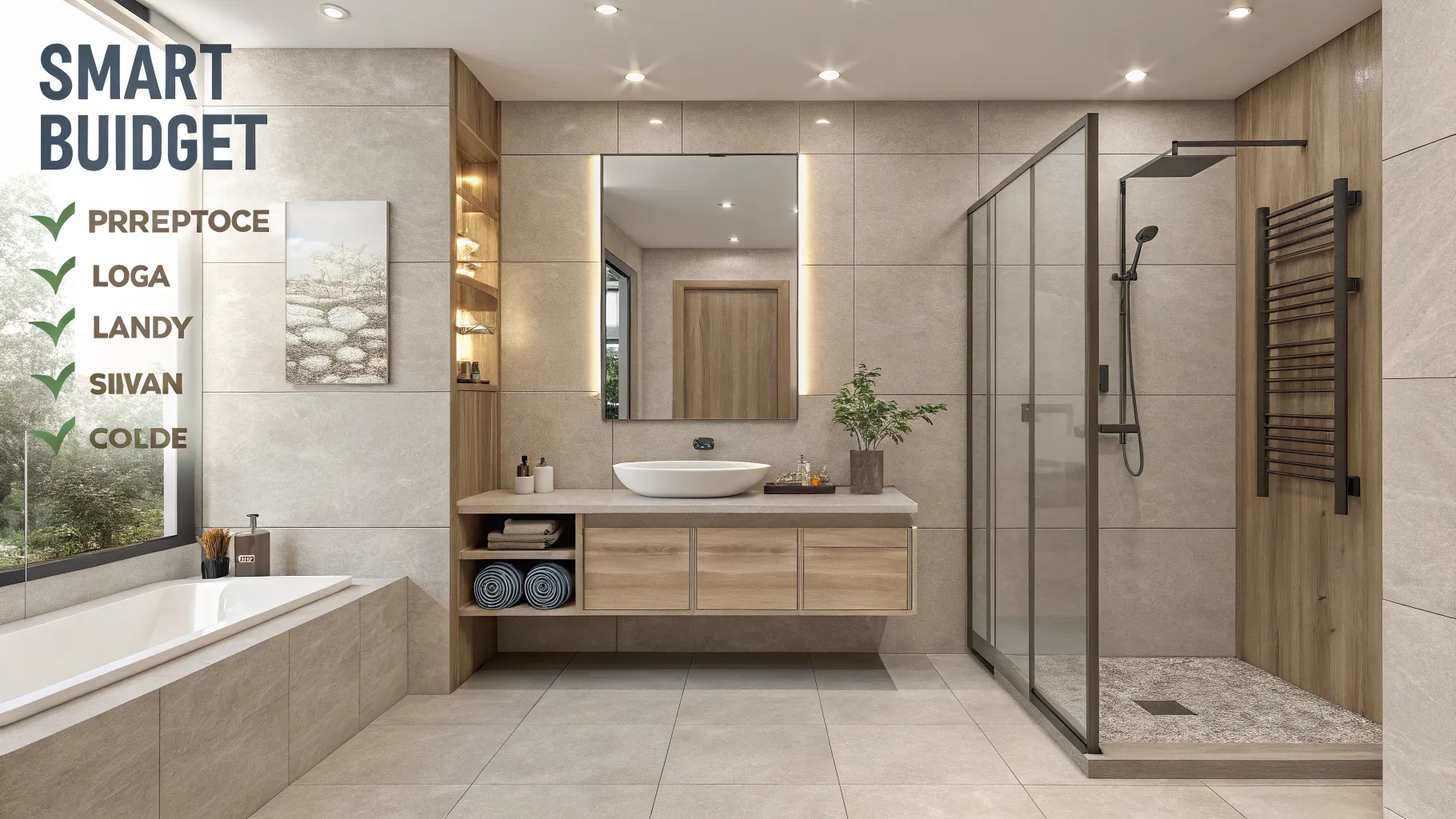
Strategic Planning for Your Bathroom Renovation
Before any demolition begins, meticulous planning is the cornerstone of any successful and budget-friendly renovation. A detailed plan helps in identifying potential pitfalls and securing better deals. Start by outlining your absolute must-haves versus your wish-list items. This distinction is vital when trying to decide where to save in a bathroom remodel. Consider the long-term implications of your choices; sometimes a slightly higher initial investment in durable materials can lead to greater savings on maintenance and replacement down the line. Setting a realistic bathroom remodel budget from the outset, complete with a contingency fund, prevents unexpected financial strain as the project progresses.
Smart Material Choices: Maximizing Value
The materials you select represent a significant portion of your renovation expenses. Opting for alternatives that mimic high-end looks without the hefty price tag is a brilliant strategy for reducing your bathroom remodel budget. For instance, instead of natural stone tiles, explore porcelain or ceramic options that offer similar aesthetics and superior durability at a fraction of the cost. These smart material choices extend to countertops, flooring, and even wall coverings. Consider large-format tiles for flooring; fewer grout lines can mean quicker installation and a cleaner look. Additionally, sourcing materials from local suppliers or end-of-season sales can yield substantial savings on quality products. Always compare prices from multiple vendors and read reviews to ensure you are getting the best value.
Exploring Affordable Fixture Upgrades
Fixtures can drastically alter the look and feel of your bathroom, but they don't have to break the bank. When thinking about fixture upgrades, focus on impact items. For example, a new faucet or showerhead can provide a fresh, modern update without requiring extensive plumbing changes. Instead of replacing the entire vanity, consider just updating the countertop and sink, or simply refinishing the existing cabinet doors. Look for sales on brand-name fixtures, or explore lesser-known brands that offer comparable quality at more competitive prices. Reusing existing plumbing lines whenever possible is another effective strategy for keeping your bathroom remodel budget in check, as relocating plumbing can be one of the most expensive aspects of a renovation.
The Power of DIY Bathroom Savings
Tackling certain aspects of your bathroom remodel yourself can lead to considerable DIY bathroom savings. Tasks such as painting, demolition, installing light fixtures, or even laying simpler flooring types like luxury vinyl plank (LVP) can be managed by a homeowner with basic tools and a good understanding of instructions. Before embarking on any DIY project, honestly assess your skills and comfort level. Attempting complex tasks like intricate tiling or major plumbing changes without proper experience can lead to costly mistakes that negate any initial savings. However, for those comfortable with hands-on work, DIY bathroom savings can significantly reduce labor costs, which often constitute a large percentage of total renovation expenses. Always prioritize safety and ensure you have the correct tools for the job.
Reusing and Refurbishing Existing Elements
One of the most overlooked areas where to save in a bathroom remodel is by salvaging and refurbishing existing elements. If your existing vanity is structurally sound, consider repainting or refacing it instead of buying a brand new one. Original clawfoot tubs, though dated, can often be reglazed to look brand new, preserving character and saving thousands compared to a new purchase. Even smaller items like towel racks or cabinet hardware can be cleaned, painted, or polished to match your new aesthetic. This approach not only saves money but also contributes to a more sustainable renovation, reducing waste and giving your bathroom a unique, personalized touch. Carefully inspect existing components for structural integrity before committing to refurbishment.
Negotiating with Contractors and Suppliers
Don't underestimate the power of negotiation. When working with contractors, always obtain at least three detailed quotes for your project. Be clear about your bathroom remodel budget and express your desire to find areas where to save in a bathroom remodel. A reputable contractor can often provide valuable insights into more affordable material alternatives or suggest less labor-intensive approaches. Similarly, when purchasing materials, don't hesitate to ask suppliers for discounts, especially if you are buying in bulk or during promotional periods. Building good relationships with local suppliers can also lead to better deals and insider information on upcoming sales. Always ensure all agreements, including costs and timelines, are documented in a written contract before work commences.
Actionable Strategies for a Budget-Friendly Bathroom
Prioritize Needs Over Wants: Distinguish between essential upgrades and desired luxuries early in the planning process. This helps in allocating your bathroom remodel budget to what truly matters and identifying areas where to save in a bathroom remodel without compromising functionality. Focus on items that provide the most significant return on investment or enhance daily usability.
Maintain the Existing Layout: Changing the footprint of your bathroom or relocating plumbing and electrical lines is often the most expensive part of a remodel. By keeping your existing layout, you drastically reduce labor and material costs, making significant DIY bathroom savings possible. Even minor shifts can incur substantial extra costs.
Consider Resurfacing Options: Instead of fully replacing bathtubs, sinks, or countertops, explore professional resurfacing or reglazing services. This is a cost-effective way to refresh the look of major components, significantly reducing your renovation expenses while achieving a like-new finish. Ensure the original surface is in good enough condition for resurfacing.
Shop Smart for Accessories: Small details can add up. Purchase accessories like mirrors, lighting, and décor from discount stores, online marketplaces, or even thrift stores. These items are often easy to upgrade or change later and don't require professional installation, offering simple cost-saving tips. Be mindful of coordinating styles for a cohesive look.
Stagger Your Project: If your bathroom remodel budget is tight, consider breaking the project into phases. Address the most critical updates first, and then tackle aesthetic improvements later. This allows you to spread out your renovation expenses over time, making the overall project more manageable financially and helping you continuously look for where to save in a bathroom remodel.
Frequently Asked Questions
What is the biggest expense in a bathroom remodel budget?
Typically, labor costs and plumbing work are the biggest expenses in a bathroom remodel. Relocating fixtures or altering the layout significantly increases these costs, making it a key area to consider when planning where to save in a bathroom remodel.
Can I really achieve significant DIY bathroom savings?
Yes, significant DIY bathroom savings are absolutely possible for tasks like painting, demolition, installing new hardware, or even simple flooring. However, for complex electrical or plumbing work, hiring professionals is advisable to avoid costly mistakes and ensure safety.
Are smart material choices always cheaper?
Not always "cheaper" in terms of initial unit price, but smart material choices offer better value, durability, and often lower maintenance costs over time. For example, high-quality porcelain tile can be a more durable and cost-effective long-term option than cheaper, less resilient alternatives.
How important is planning for cost-saving tips?
Planning is paramount for effective cost-saving tips. A detailed plan helps you identify areas where to save in a bathroom remodel, avoid impulsive purchases, and stick to your bathroom remodel budget. It prevents scope creep and ensures a smoother, more efficient renovation process.
Should I prioritize fixture upgrades or structural changes?
Generally, prioritizing necessary structural or functional changes (like fixing leaks or improving ventilation) over purely aesthetic fixture upgrades is recommended. Once structural integrity is ensured, then focus on visual enhancements that fit your budget.
References
- National Association of the Remodeling Industry (NARI) Cost vs. Value Report
- HomeAdvisor's True Cost Guide for Bathroom Remodels
- Various industry publications on sustainable and budget-friendly renovations
Authored by 24Trendz team