Unpacking the Towing Capabilities of Compact Pickup Trucks
Compact pickup trucks have carved out a niche for themselves by providing truck utility without the full-size footprint. While they may not match the raw towing power of their larger counterparts, many compact models are surprisingly capable, offering sufficient capacity for common tasks like hauling small boats, utility trailers, or camping gear. Understanding what contributes to a truck's towing prowess and what to look for when prioritizing towing capacity is key to making an informed decision.
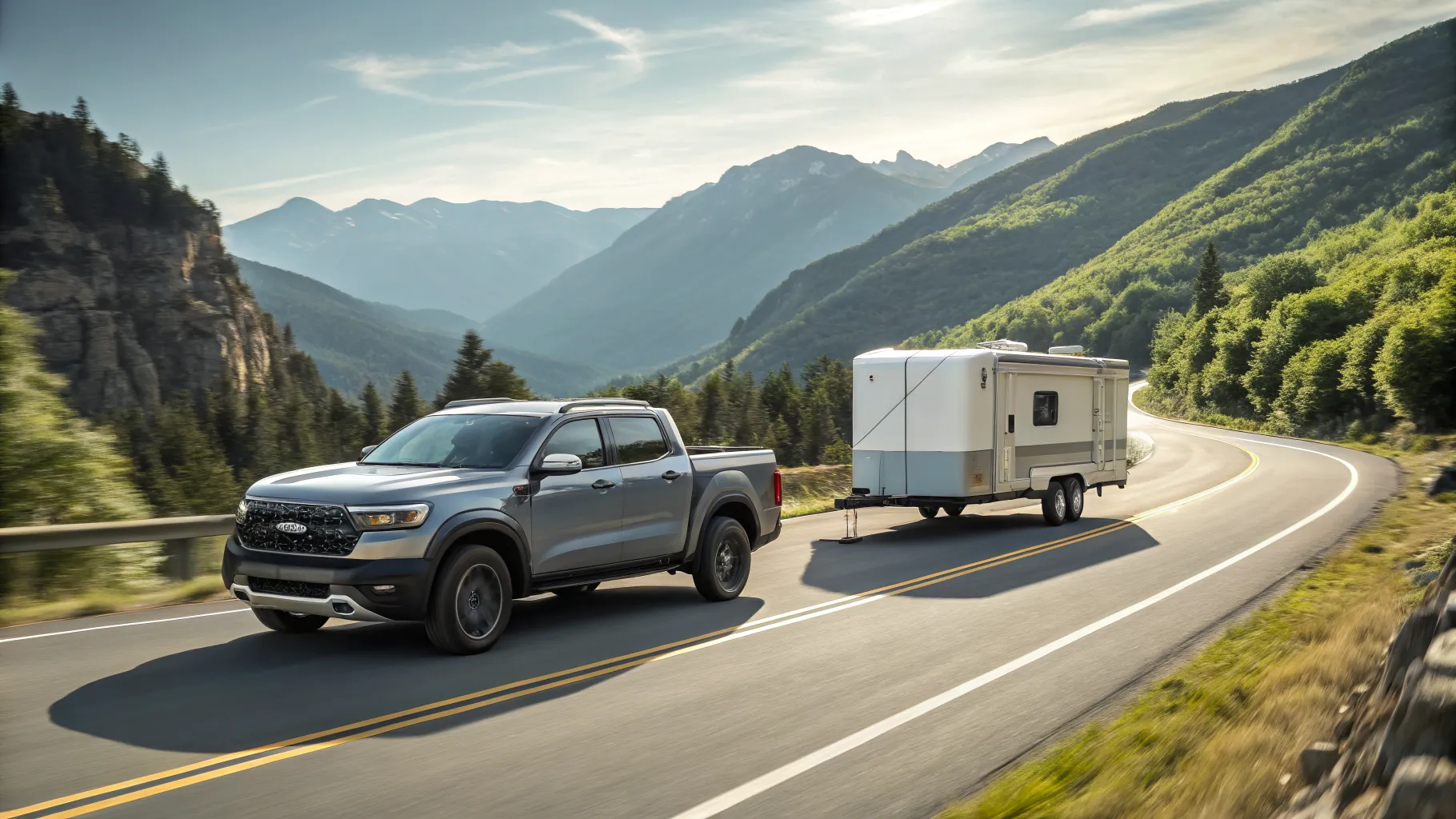
Defining 'Compact' in Today's Truck Market
The term 'compact truck' has evolved over the years. Historically, these were truly small vehicles, but modern iterations have grown, often blurring the lines with mid-size trucks. Generally, compact trucks are characterized by their smaller overall dimensions, lighter curb weight, and typically more fuel-efficient engines compared to full-size trucks. They are designed for easier navigation in urban environments and tighter parking spaces, while still offering an open bed for cargo and, crucially, a respectable towing capability.
While exact classifications can vary by manufacturer and region, a compact truck generally sits below the mid-size segment in terms of size and capability. However, advances in engineering mean that even these smaller platforms can now deliver impressive performance, particularly when equipped with the right engine and towing packages. This allows them to serve as practical workhorses for many recreational and light-duty commercial applications.
Key Factors Influencing Towing Capacity
A truck's towing capacity is not solely determined by its engine size; it's a complex calculation involving multiple components working in harmony. The powertrain plays a significant role, with engine torque being more critical than horsepower for pulling heavy loads. Transmission type, whether automatic or manual, and the number of gears, also impact how efficiently power is delivered to the wheels.
Beyond the engine and transmission, the axle ratio is a crucial factor. A 'shorter' or higher numerical axle ratio (e.g., 3.73 or 4.10) provides more torque to the wheels, enhancing towing ability but potentially reducing fuel economy. Furthermore, the strength and design of the truck's frame, suspension components, and braking system are engineered to manage the additional stress and weight of a towed load. Manufacturers carefully rate these capacities to ensure safety and durability.
Essential Features for Enhanced Towing
When seeking a compact truck for its towing capabilities, certain features can significantly improve performance and safety. A factory-installed towing package is often the best starting point, as it typically includes heavy-duty components like an upgraded radiator or transmission cooler, a stronger alternator, and a trailer hitch receiver.
- Integrated Trailer Brake Controller: This system allows the driver to control the trailer's brakes independently, crucial for safe stopping, especially with heavier trailers.
- Tow/Haul Mode: Many modern trucks feature a specific mode that adjusts transmission shift points, making it easier to maintain speed and control on inclines and declines while towing.
- Reinforced Frame and Suspension: Look for models with robust frame construction and heavy-duty suspension components designed to withstand the added strain of towing.
- Larger Brakes: Enhanced braking systems are vital for effectively stopping both the truck and the trailer.
Realistic Expectations for Compact Truck Towing
While compact trucks have improved significantly, it's important to set realistic expectations for their towing limits. Most compact trucks will offer towing capacities ranging from approximately 3,500 pounds up to 7,700 pounds, depending on the specific model, engine, and configuration. This range comfortably accommodates many common towing needs.
For instance, a compact truck can typically handle: small fishing boats, jet skis, single-axle utility trailers, small travel trailers, and various recreational toys like ATVs or dirt bikes. Owners should always consult the truck's owner's manual and the sticker on the driver's side door jamb for the precise towing capacity of their specific vehicle, as even small differences in trim levels or optional equipment can affect the rating.
Safety Considerations When Towing
Towing safely requires more than just knowing your truck's capacity; it involves proper preparation and driving techniques. Always ensure the trailer's weight, including its cargo, does not exceed your truck's rated towing capacity or Gross Combined Weight Rating (GCWR). Proper weight distribution on the trailer and the use of a weight-distributing hitch for heavier loads are critical to maintaining stability and control.
Before every trip, inspect the trailer hitch connection, safety chains, trailer lights, and tire pressure on both the truck and the trailer. When driving, allow for increased stopping distances, make wider turns, and be mindful of crosswinds. Extended side mirrors can greatly improve visibility when towing larger trailers, helping to prevent accidents when changing lanes or backing up.
Maintaining Your Truck for Optimal Towing Performance
Regular maintenance is paramount for any vehicle, but it becomes even more critical for trucks frequently used for towing. The added stress of pulling heavy loads can accelerate wear and tear on various components. Consistent oil changes, transmission fluid checks, and coolant system flushes are essential to keep the engine and transmission operating efficiently and prevent overheating.
Brake pads and rotors should be inspected more frequently, as they work harder when towing. Tire pressure and tread depth are also vital for safety and performance; ensure tires are inflated to the manufacturer's recommended levels for towing. Adhering to the manufacturer's severe-duty maintenance schedule, if applicable, can help prolong the life of your truck's components and ensure it remains reliable for all your towing adventures.
Selecting the Right Compact Truck for Your Needs
When evaluating compact trucks for their towing capabilities, consider your primary towing requirements. Are you looking to tow a small utility trailer occasionally, or do you plan on regular trips with a larger travel trailer? Your intended use will dictate how much towing capacity you truly need and what specific features will be most beneficial. Remember to factor in not just the weight of what you're towing, but also any cargo in the truck bed and passengers in the cabin, as these contribute to the truck's overall load.
Researching different models and their available towing packages, along with understanding their respective payload capacities, will help you find a compact truck that not only fits your lifestyle but also meets your towing demands safely and effectively. Many manufacturers now offer comprehensive online resources detailing specific model capabilities, allowing for thorough comparison before a purchase decision.
The Evolution of Compact Truck Towing
The compact truck segment continues to evolve, with manufacturers constantly pushing the boundaries of what these smaller pickups can achieve. Modern engineering, advanced materials, and sophisticated powertrain technologies have enabled compact trucks to offer towing capacities that once required a larger, less fuel-efficient vehicle. This progression provides consumers with more choices and greater flexibility.
As technology advances, we can expect to see further enhancements in compact truck towing capabilities, possibly incorporating more advanced driver-assist systems specifically designed for towing, improved fuel efficiency under load, and even greater versatility. This ongoing development ensures that compact trucks remain a viable and attractive option for those who need a capable hauler without committing to a full-size platform.
Authored by 24Trendz team