Navigating Panama Canal Expedition Cruises: An Informational Guide
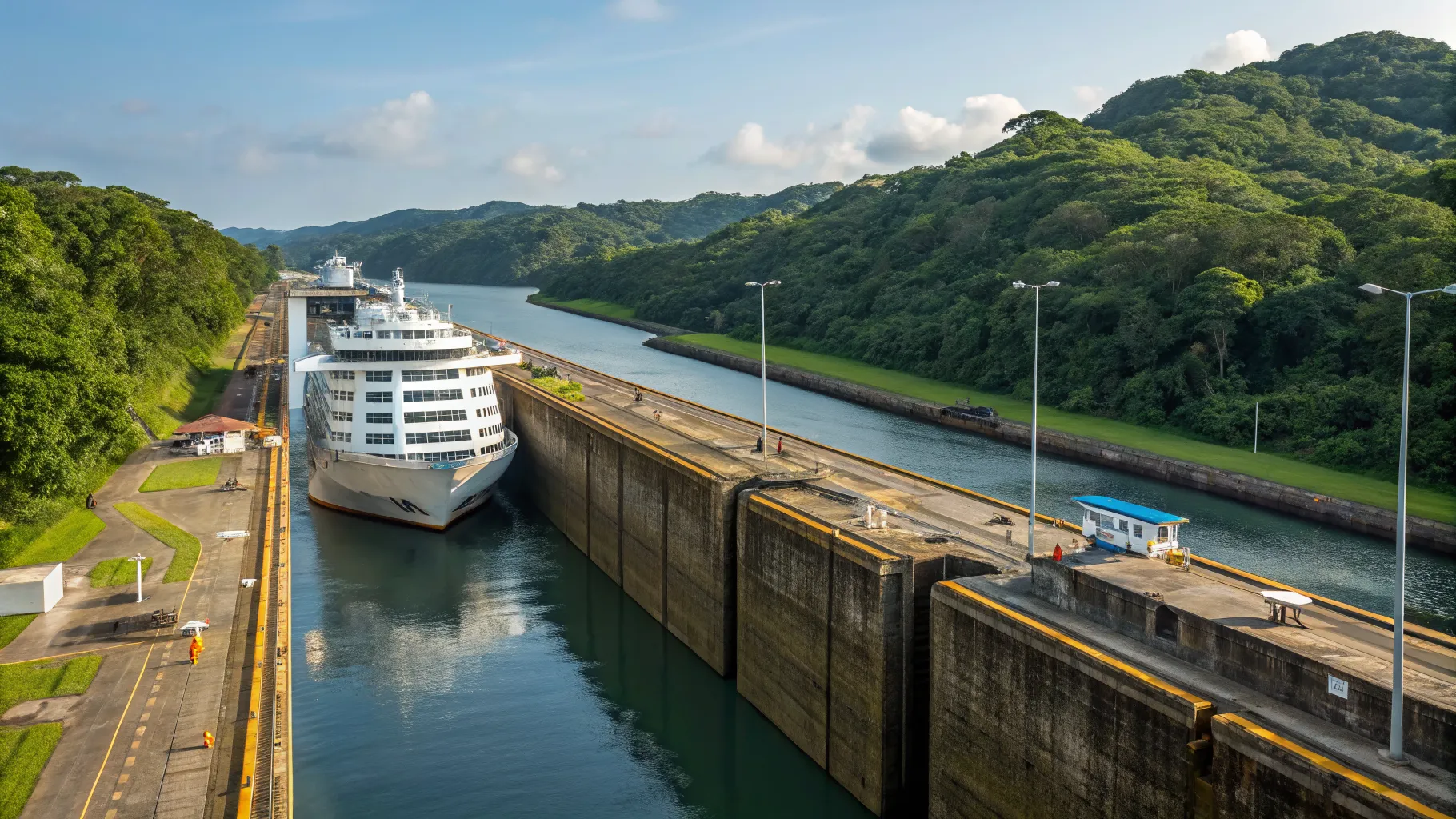
Embarking on a Panama Canal expedition cruise offers a profound journey through one of the world's most impressive engineering feats, combined with the opportunity to explore the rich biodiversity and cultural heritage of the surrounding region. Unlike conventional large cruise ship transits, expedition cruises utilize smaller vessels, allowing for more intimate experiences, deeper exploration into remote areas, and a focus on educational and active excursions. This type of travel appeals to those seeking an immersive adventure that goes beyond merely passing through the locks, offering a blend of historical insight, natural discovery, and cultural engagement.
The Unique Appeal of Panama Canal Expedition Cruises
Panama Canal expedition cruises distinguish themselves through their emphasis on exploration and education. Passengers on these voyages often experience the canal's transit as part of a broader itinerary that delves into the diverse ecosystems of Central America, particularly Panama and Costa Rica. These smaller ships can navigate into areas inaccessible to larger vessels, facilitating up-close encounters with wildlife and visits to secluded natural reserves.
The focus is less on onboard entertainment and more on enriching experiences both on the ship and ashore. Expert naturalists, historians, and local guides typically accompany these expeditions, providing lectures, leading excursions, and offering insights into the region's flora, fauna, and geopolitical significance. This creates an environment of continuous learning and discovery, making the journey much more than just a transit.
Distinguishing Expedition from Standard Transits
While both types of cruises traverse the iconic Panama Canal, the experience on an expedition cruise differs significantly from a standard, larger cruise ship transit. Standard transits often involve megaships that offer a fleeting view of the locks and a brief understanding of the canal's function, primarily as part of a repositioning cruise between oceans or a segment of a longer Caribbean or Pacific itinerary. These cruises prioritize onboard amenities, dining, and entertainment, with the canal transit being a singular event.
Expedition cruises, however, treat the canal itself as a gateway to a wider exploration. They often include multiple stops in Panama's national parks, indigenous communities, and pristine islands. The ships are typically equipped with Zodiacs or similar small craft for shore landings and active excursions like kayaking, snorkeling, or hiking. The entire journey is designed around discovery, allowing travelers to truly engage with the natural and cultural landscapes surrounding this engineering marvel.
Typical Routes and Itineraries
Panama Canal expedition cruises typically offer a variety of routes, often combining the canal transit with explorations of neighboring coastlines. Some itineraries focus on a full transit, moving from the Caribbean Sea to the Pacific Ocean (or vice-versa), while others might offer a partial transit, allowing passengers to experience a portion of the canal before exploring surrounding regions.
- Full Transit: These voyages typically start or end in cities like Colón or Panama City, transiting the entire length of the canal, including all three sets of locks: Gatun, Pedro Miguel, and Miraflores. They often extend into explorations of the Caribbean coast of Central America or the Pacific coast, including destinations in Costa Rica, Colombia, or even Ecuador.
- Partial Transit: Some expeditions may sail into the Gatun Lake area, exploring its islands and wildlife, before turning back. These often focus more heavily on the rich biodiversity of Panama's interior, providing opportunities for birdwatching, jungle treks, and cultural visits to local communities.
- Regional Explorations: Many expedition cruises combine the Panama Canal experience with visits to other Central American hotspots, such as Costa Rica's national parks, known for their sloths, monkeys, and vibrant birdlife, or remote islands with unique marine ecosystems.
What to Expect Onboard and Ashore
Life onboard an expedition ship is generally more casual and community-focused. The atmosphere often fosters camaraderie among passengers who share a passion for discovery. Cabins are comfortable but generally less opulent than those on larger cruise liners, with the emphasis placed on shared lounge spaces, observation decks, and educational facilities. Dining is typically high-quality, often featuring local flavors, and might be served in a single dining room, encouraging interaction.
Ashore, the experience is highly active and immersive. Expect daily excursions that could include Zodiac rides through mangrove forests, guided hikes through rainforests to spot monkeys and sloths, snorkeling or diving in clear waters, and visits to historical sites or indigenous villages. Flexibility is often a hallmark of expedition travel, with itineraries sometimes adjusted to optimize wildlife viewing opportunities or weather conditions.
Planning Your Expedition: Best Times and Duration
The timing of your Panama Canal expedition cruise can significantly impact your experience. The dry season in Panama, which runs from mid-December to mid-April, is generally considered the most popular time to visit. During this period, you can expect less rain, lower humidity, and more predictable weather for shore excursions. This is also a prime time for wildlife viewing, as animals are often more active.
The green season, from May to November, offers lush landscapes and fewer crowds, though daily rain showers are common. These showers are often brief, and the increased rainfall can make rivers fuller and vegetation more vibrant. Regardless of the season, expedition cruises typically range from 7 to 14 days, providing ample time to explore the canal and its surrounding regions comprehensively. Shorter options may exist for specific partial transit routes.
Understanding the Value of Expedition Cruise Bookings
When considering Panama Canal expedition cruises, it's important to understand how 'deals' are presented. These are not typically deep discount sales but rather represent inclusions or added value that enhance the overall experience. The cost of an expedition cruise generally reflects the smaller ship size, specialized equipment, expert guides, and the immersive nature of the itinerary, which often includes most or all excursions, tips, and sometimes even international airfare or pre/post-cruise hotel stays.
To find good value, prospective travelers should compare what each package includes. Look for itineraries that align with your interests, consider the reputation of the expedition company, and factor in the expertise of the onboard staff. Booking during shoulder seasons (just before or after peak season) can sometimes offer slightly more favorable pricing while still enjoying good weather. Early booking incentives, such as complimentary flights or reduced single supplements, are also common forms of value added by operators.
Tips for a Rewarding Panama Canal Expedition
To maximize your enjoyment of a Panama Canal expedition cruise, thorough preparation and an open mind are key. Research the specific itinerary and the expedition company to ensure their philosophy aligns with your travel style. Pack appropriate gear for active excursions, including comfortable walking shoes, rain gear, sun protection, and insect repellent. Binoculars are highly recommended for wildlife spotting.
Embrace the educational aspects of the cruise. Attend lectures, engage with the naturalists and guides, and ask questions. Be prepared for early mornings, as wildlife is often most active at dawn. Most importantly, remain flexible and open to slight itinerary adjustments, as expedition travel sometimes requires adaptability to local conditions or unexpected wildlife encounters, which can often lead to the most memorable experiences.
Authored by 24Trendz team