Understanding Police Impound Vessels: Navigating Maritime Law Enforcement
Facts:
- Police impound vessels often due to safety violations.
- Increased maritime law enforcement actions for recreational boaters.
The Legal Framework Behind Police Impound Vessels
The sight of police impound vessels can be a concerning one for any boat owner or operator. Understanding the legal framework and common reasons behind vessel impoundment is crucial for ensuring compliance with maritime regulations and avoiding potential penalties. This comprehensive guide delves into the specifics of how and why law enforcement agencies exercise their authority to seize and impound boats, from minor infractions to serious criminal activities, providing clarity on a complex area of maritime law enforcement.
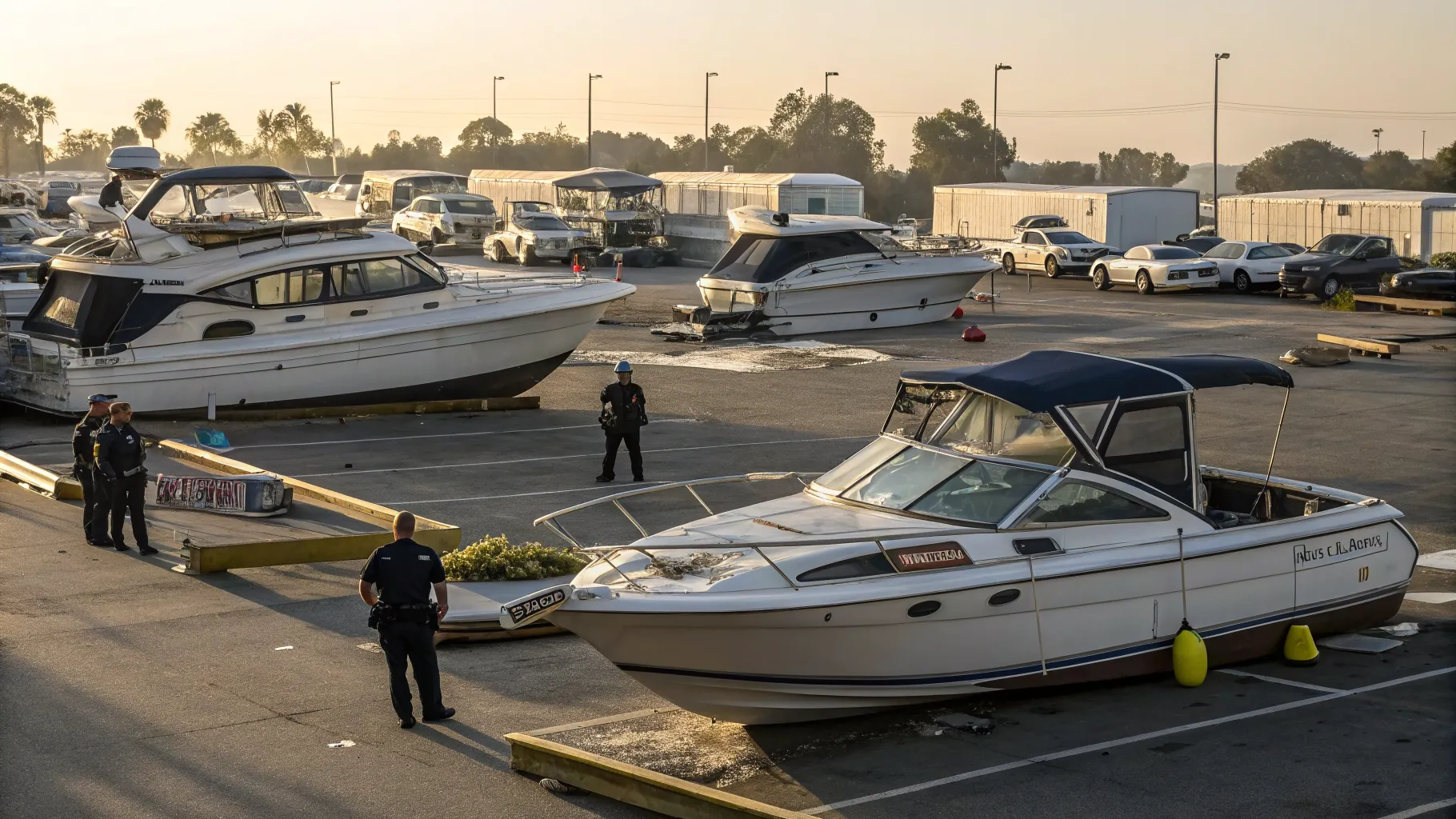
Common Reasons for Boat Seizures and Impoundment
Boat seizures by law enforcement are not arbitrary; they are typically a direct consequence of specific violations of maritime law or criminal activity. One of the most common reasons for police impound vessels is operating under the influence (OUI) or boating under the influence (BUI). Just like driving, operating a boat while impaired by alcohol or drugs carries severe penalties, including immediate impoundment of the vessel. Furthermore, serious safety violations, such as operating an unseaworthy vessel, lacking proper safety equipment, or exceeding passenger limits, can also lead to authorities impounding a boat to prevent further danger to life or property. Other reasons include unregistered vessels, outstanding warrants associated with the owner or operator, environmental infractions like illegal dumping, and involvement in smuggling or other illicit activities. The severity of the violation often dictates the duration and complexity of the impound procedures, highlighting the importance of adherence to all maritime regulations.
Navigating the Impoundment Process: Initial Steps
Once a vessel has been subject to vessel impoundment, the initial steps taken by law enforcement and the vessel owner are critical. Typically, the owner will be notified of the impoundment, often at the scene or shortly thereafter. This notification will include the reason for the seizure and details about where the vessel is being held. It is imperative for the owner to act swiftly to understand the charges or violations leading to the impoundment. Gathering all relevant documentation, such as proof of ownership, registration, and insurance, is essential for subsequent steps. Depending on the jurisdiction and the nature of the offense, the owner may be required to pay fines, storage fees, or even face legal proceedings. Early engagement with maritime legal counsel can significantly aid in navigating these complex initial stages and understanding the full scope of rights and responsibilities during the impound procedures.
Costs Associated with Impounded Vessels
The financial implications of having police impound vessels can be substantial and accumulate rapidly. Beyond any fines levied for the initial violation, vessel owners are typically responsible for a range of additional costs. These include towing fees, which can vary widely depending on the size of the boat and the distance it needs to be transported to the impound lot. Daily storage fees are another significant expense; these can accrue for every day the boat remains in impoundment, often reaching hundreds or even thousands of dollars over time. In some cases, administrative fees are also charged by the impounding authority to cover the costs of processing the paperwork and managing the seized asset. If the vessel requires any repairs or specialized handling due to damage or hazardous materials, these costs will further add to the total burden. Understanding these potential expenses is crucial for vessel owners, as prolonged impoundment can lead to the costs exceeding the value of the boat, potentially resulting in its forfeiture or auction.
Legal Recourse and Release Procedures for Seized Boats
For owners whose boats are among the police impound vessels, understanding the legal recourse available and the procedures for release is paramount. The specific steps for reclaiming a seized vessel depend heavily on the reason for impoundment and local maritime laws. In many cases, once any outstanding fines are paid and the violations are rectified, the boat can be released. However, if the impoundment is linked to more serious criminal charges, the vessel may be held as evidence, and its release might require a court order or the resolution of the criminal case. Owners typically need to provide proof of ownership, such as a title or registration, and often valid identification. It is highly advisable to seek legal counsel specializing in maritime law to assist with this process. An attorney can help challenge the legality of the vessel impoundment, negotiate with authorities, or represent the owner in court, potentially minimizing fines, reducing storage costs, or even securing the expedited return of the boat. Timely action and professional legal guidance are often key to a successful outcome.
Preventative Measures to Avoid Vessel Impoundment
Proactive measures are the best defense against having your boat become one of the police impound vessels. Regular maintenance and ensuring all safety equipment is on board and in good working order is fundamental; this includes life jackets, fire extinguishers, flares, and navigation lights. Always operate your vessel responsibly and legally, strictly adhering to speed limits, navigation rules, and avoiding boating under the influence. Keeping your vessel's registration current and prominently displayed is another simple but crucial step. Additionally, staying informed about local and federal maritime regulations is essential, as laws can change, and ignorance is rarely accepted as an excuse. Participating in boating safety courses offered by organizations such as the U.S. Coast Guard Auxiliary or state boating agencies can significantly enhance your knowledge and reduce the risk of violations. By consistently practicing safe and legal boating, owners can significantly reduce their chances of encountering maritime law enforcement actions that could lead to boat seizures.
Actionable Advice for Boaters Regarding Impound Procedures
- Understand Local Regulations: Always familiarize yourself with the specific boating laws and regulations in your operating area. Different states or even local municipalities can have varying rules regarding safety equipment, speed zones, and permissible activities, all of which can lead to vessel impoundment if not followed.
- Maintain Proper Documentation: Keep all your boat's registration, title, insurance, and operator's license easily accessible and up-to-date. Missing or expired documents are common reasons for stops and can escalate into more serious issues, potentially leading to police impound vessels.
- Perform Regular Safety Checks: Before every outing, conduct a thorough check of all safety equipment, engine functionality, and hull integrity. Ensuring your boat is seaworthy and fully equipped helps prevent on-water emergencies and avoids citations that could lead to boat seizures.
- Avoid Impaired Operation: Never operate a vessel under the influence of alcohol or drugs. BUI laws are strict, and penalties often include significant fines, loss of boating privileges, and immediate impound procedures for your vessel.
- Seek Legal Counsel Promptly: If your boat is impounded, contact a maritime law attorney immediately. Their expertise can be invaluable in navigating the legal system, challenging the impoundment, and facilitating the swift release of your vessel, potentially saving you substantial time and money.
Frequently Asked Questions
What causes police impound vessels?
Vessels are typically impounded due to serious safety violations, operating under the influence (OUI/BUI), unregistered status, outstanding warrants, environmental infractions, or involvement in criminal activities. Authorities prioritize public safety and adherence to maritime laws.
How long can a boat be held during vessel impoundment?
The duration varies significantly based on the reason for impoundment and the jurisdiction. Minor infractions might allow for quick release after fines are paid, while serious criminal cases could see a vessel held for months or even years as evidence until legal proceedings are concluded. Storage fees accrue daily.
What are the costs associated with reclaiming seized boats?
Costs often include towing fees, daily storage fees, administrative fees, and any fines related to the initial violation. These can quickly accumulate, sometimes exceeding the boat's value. Legal consultation may also be an additional expense but can be crucial for a favorable outcome.
Can I get my boat back if it was part of police impound vessels?
In most cases, yes, provided you resolve the underlying issues. This usually involves paying fines, rectifying violations, and sometimes obtaining a court order. Proof of ownership and valid identification are always required. Legal assistance is highly recommended for complex situations.
References
- U.S. Coast Guard Auxiliary Boating Safety Handbook
- State-specific Department of Natural Resources (DNR) boating regulations
- Maritime Law Review Journals
- Local Port Authority Guidelines
Authored by 24Trendz team