Embrace the Future: Discovering Sustainable Streetwear Trends for 2026
Fast Facts:
- Global demand for sustainable apparel is rising rapidly.
- Sustainable streetwear often incorporates innovative recycled materials for conscious consumers.
Navigating the Evolution of Sustainable Streetwear
The landscape of fashion is constantly shifting, and by 2026, sustainable streetwear has firmly cemented its position at the forefront of urban style. This isn't just a fleeting trend; it's a profound movement towards eco-friendly fashion that prioritizes both environmental responsibility and cutting-edge aesthetics. Consumers are increasingly demanding transparency and accountability from brands, pushing the industry towards more ethical sourcing and innovative production methods. As we delve into the trends shaping the coming years, it becomes clear that style no longer needs to compromise conscience.
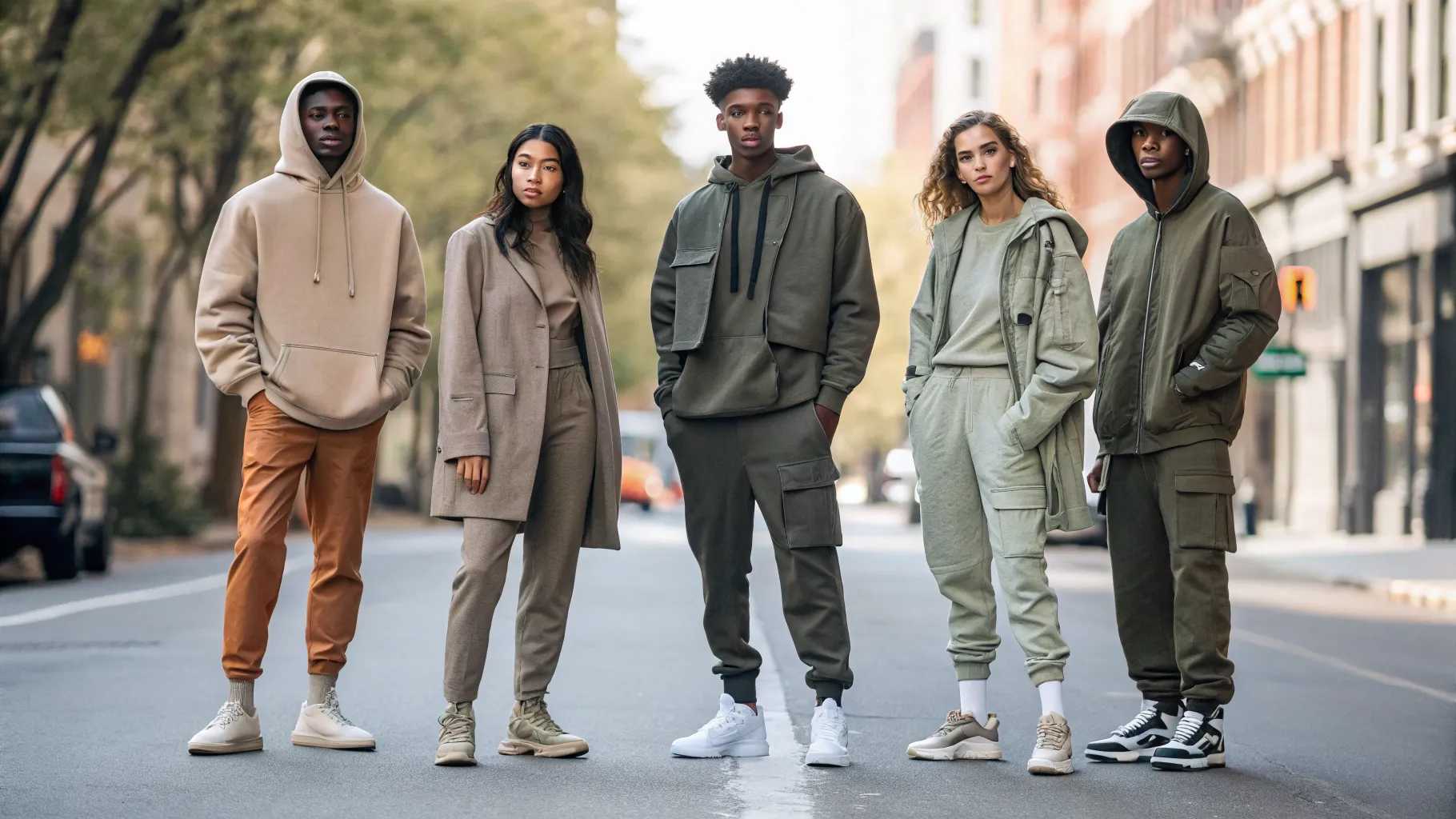
Key Pillars of Eco-Friendly Fashion in 2026
The Rise of Recycled Materials:
Innovation in material science is driving significant changes, making recycled materials a cornerstone of sustainable streetwear. We're seeing a surge in fabrics derived from post-consumer waste, such as recycled polyester (rPET) made from plastic bottles, and regenerated nylon from fishing nets. Brands are not just using these materials but actively promoting their origins, educating consumers on how a discarded plastic bottle can become a stylish jacket. This commitment to repurposing waste reduces landfill burden and significantly lowers the demand for virgin resources, marking a crucial step towards a more circular fashion economy. The tactile quality and durability of these advanced recycled textiles are also improving, dispelling old notions that sustainable means compromise on quality or aesthetics. Designers are creatively integrating these materials, ensuring garments are both high-performance and visually appealing, from durable outerwear to comfortable everyday essentials.
Embracing Circular Fashion Principles:
Circular fashion moves beyond simply using recycled content; it’s a holistic approach to design and production that aims to keep materials in use for as long as possible. This involves designing garments for longevity, repairability, and ultimate recyclability. Brands are implementing take-back programs, repair services, and even rental models to extend the life cycle of their products. The goal is to eliminate waste and pollution, continuously circulating resources. For sustainable streetwear, this means creating pieces that are timeless in design, durable in construction, and easy to care for, ensuring they can be passed down, mended, or ultimately re-entered into the production stream. This philosophy challenges the traditional linear "take-make-dispose" model, fostering a more responsible and resource-efficient industry. Consumers are increasingly valuing brands that offer clear pathways for their garments at the end of their first life cycle.
Transparency and Ethical Sourcing:
Consumers in 2026 are more informed and conscientious than ever, demanding full transparency regarding the supply chain. Ethical sourcing is no longer a niche concern but a mainstream expectation for sustainable streetwear brands. This involves ensuring fair labor practices, safe working conditions, and living wages for all workers involved in production, from farm to factory. Technologies like blockchain are being adopted to provide immutable records of a garment's journey, allowing consumers to trace the origins of their clothes and verify claims of sustainability and ethics. Brands that can openly share their factory audits, material certifications, and social impact reports will gain significant trust and loyalty. This commitment extends to ensuring environmentally responsible practices throughout the supply chain, minimizing water usage, chemical pollution, and carbon emissions at every stage of production.
Upcycling and Repurposing as Art Forms:
Upcycling, the process of transforming old or discarded materials into new products of higher value, continues to be a major trend within sustainable streetwear. This isn't just about mending; it's about creative reinvention. Designers are taking vintage pieces, deadstock fabrics, and even industrial waste to create unique, one-of-a-kind garments that tell a story. This approach celebrates individuality and craftsmanship, moving away from mass-produced uniformity. Repurposing garments through customization, patchwork, and deconstruction techniques offers consumers a way to express their personal style while contributing to a reduced environmental footprint. Each upcycled piece is inherently unique, appealing to the desire for exclusivity and authenticity. This trend not only champions creativity but also significantly reduces the demand for new production, breathing new life into forgotten textiles and transforming them into covetable eco-friendly fashion statements.
Bio-Based and Regenerative Materials:
Beyond recycling, the future of sustainable streetwear is deeply rooted in bio-based and regenerative materials. This includes innovative fabrics derived from plant sources like hemp, organic cotton, linen, and even experimental materials made from mushrooms (mycelium), algae, or fruit waste. Regenerative agriculture practices are gaining traction, focusing on farming methods that not only avoid harm but actively restore soil health and biodiversity. These materials offer alternatives to synthetic fibers and conventional cotton, reducing reliance on fossil fuels and minimizing environmental impact. For instance, hemp requires significantly less water and pesticides than cotton, while organic cotton avoids harmful chemicals altogether. The development of next-generation bio-synthetics that mimic the performance of traditional materials without the environmental cost is also on the horizon, promising a truly eco-friendly fashion future where garments can biodegrade naturally after use, returning nutrients to the earth.
Comparing Sustainable Streetwear Approaches
When evaluating sustainable streetwear brands, consumers often face a spectrum of approaches. On one end, you have brands focused primarily on recycled materials, championing the conversion of waste into wearable art. These brands excel in reducing landfill contributions and minimizing virgin resource extraction. On the other end, some brands emphasize ethical sourcing and fair labor, ensuring every step of their supply chain respects human rights and provides living wages. Then there are brands deeply committed to circular fashion principles, designing for longevity, repairability, and end-of-life recycling. While all these efforts contribute to eco-friendly fashion, the most impactful brands often integrate multiple strategies. For example, a brand that uses recycled materials, ensures ethical sourcing, and designs for circular fashion creates a comprehensive sustainable offering. Consumers should look for transparency in all these areas, understanding that true sustainability is a multifaceted commitment rather than a single attribute.
Practical Steps for Embracing Eco-Friendly Fashion
Adopting sustainable streetwear practices doesn't require an overhaul of your entire wardrobe; it's a journey of conscious choices:
Invest in Quality Over Quantity:
Prioritize well-made, durable pieces that will last. Fast fashion's low prices often hide environmental and ethical costs. By choosing fewer, higher-quality items, you reduce consumption and support brands committed to eco-friendly fashion and ethical sourcing. Look for robust stitching, quality fabrics, and timeless designs.
Read Labels and Research Brands:
Be an informed consumer. Look for certifications like GOTS (Global Organic Textile Standard) or Fair Trade. Research brands' commitments to recycled materials, circular fashion, and ethical sourcing. Transparency is key; if a brand is vague about its supply chain, it might be a red flag.
Explore Secondhand and Vintage:
The most sustainable garment is often one that already exists. Thrifting, buying vintage, and exploring online resale platforms are excellent ways to find unique streetwear pieces while giving clothes a second life and supporting circular fashion principles. This significantly reduces the demand for new production and waste.
Care for Your Clothes Properly:
Extend the life of your garments by following care instructions. Wash less frequently, use cold water, and air dry when possible. Repair small damages rather than discarding items. Proper care not only saves resources but also maintains the integrity and appearance of your sustainable streetwear over time.
Support Innovation:
Seek out brands experimenting with new recycled materials, bio-based fabrics, and regenerative agricultural practices. Your purchasing power can drive demand for these innovations, accelerating the shift towards a truly eco-friendly fashion industry. Engage with brands that are pushing boundaries in sustainability.
Frequently Asked Questions
What defines sustainable streetwear?
Sustainable streetwear is characterized by its commitment to environmental and social responsibility throughout its lifecycle. This includes using recycled materials, ensuring ethical sourcing, practicing circular fashion principles, and minimizing environmental impact from production to disposal. It merges urban style with a conscious approach to consumption and manufacturing.
Why is ethical sourcing crucial in eco-friendly fashion?
Ethical sourcing is paramount in eco-friendly fashion because it ensures that the people involved in making our clothes are treated fairly, paid living wages, and work in safe conditions. Without ethical practices, even garments made from recycled materials can perpetuate social injustice, undermining the holistic goal of sustainability. It's about respecting both planet and people.
How can consumers identify truly sustainable streetwear brands?
Look for brands that offer transparency about their supply chain, material origins, and labor practices. Certifications from reputable third-party organizations (e.g., GOTS, Fair Trade, B Corp) are good indicators. Research their commitments to recycled materials, circular fashion initiatives, and overall environmental impact. Avoid greenwashing by scrutinizing vague claims.
References
- The State of Fashion 2026: Business of Fashion and McKinsey & Company Report
- Textile Exchange's Preferred Fiber and Materials Market Report
- Industry analysis on consumer behavior towards sustainable streetwear and eco-friendly fashion
Authored by 24Trendz team