Understanding Police Impound Motorcycles: Your Guide to Motorcycle Impoundment
Facts:
- Over 500,000 vehicles are impounded annually in the U.S.
- Traffic violations are the leading cause of motorcycle impoundment for riders.
Navigating the Reasons for a Police Motorcycle Impound
When a motorcycle is involved in certain incidents, law enforcement agencies have the authority to initiate a police impound. This can be a stressful and confusing situation for any rider. Understanding the common reasons for motorcycle impoundment is the first step toward effective resolution, ranging from traffic infractions to more serious legal violations that necessitate immediate seizure by authorities.
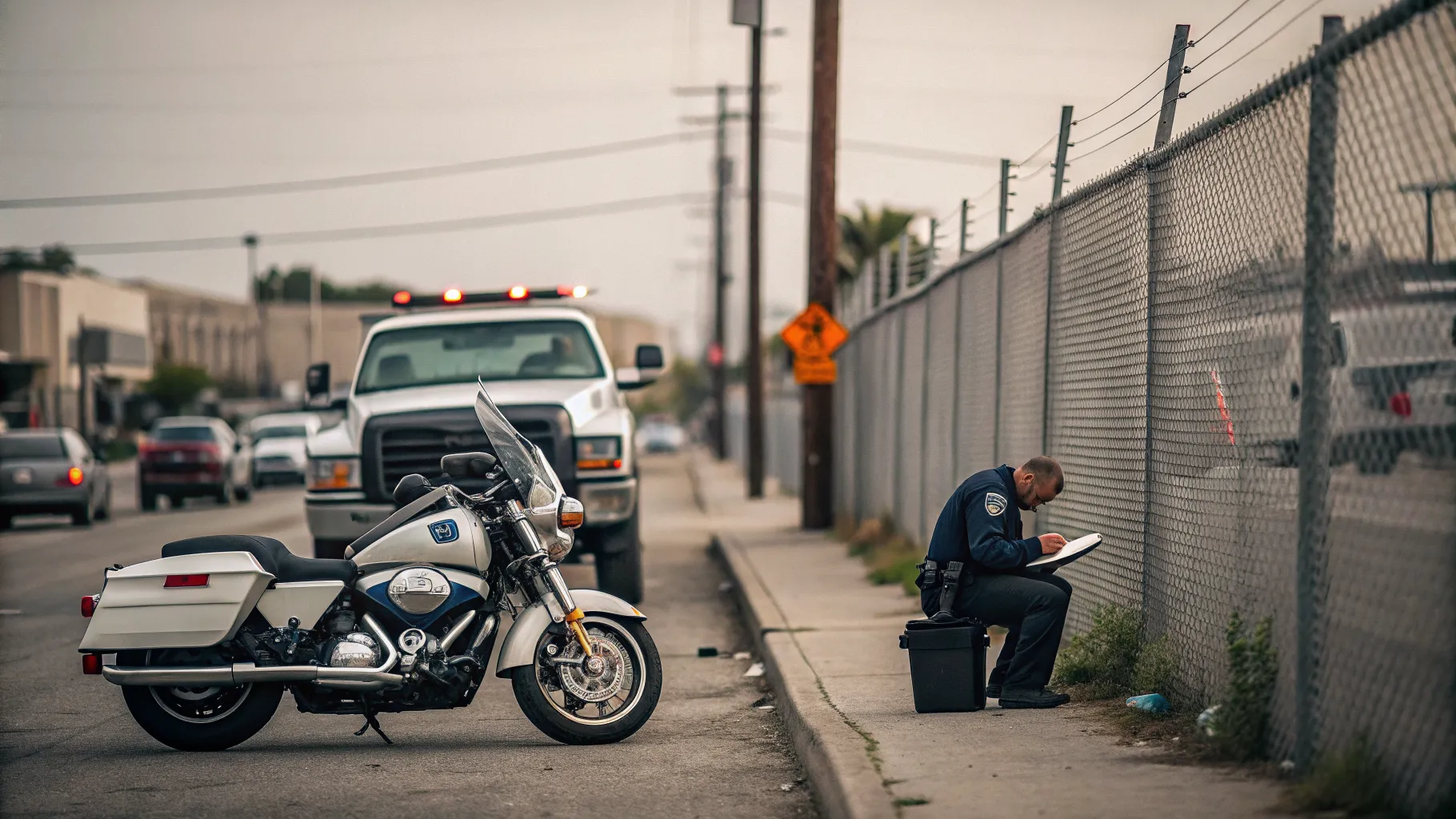
Common Causes of Motorcycle Impoundment by Law Enforcement
There are numerous scenarios that can lead to a motorcycle impoundment. Often, minor traffic violations escalate to seizure if not handled appropriately. For instance, operating a motorcycle with an expired registration, no valid insurance, or an unendorsed driver's license can immediately trigger a police impound. Authorities also frequently impound motorcycles involved in accidents, especially if there's significant damage, an uninsured driver, or suspected foul play. Furthermore, motorcycles found illegally parked, abandoned, or used in criminal activity are prime candidates for seizure. Understanding these triggers is crucial for preventing unwanted interactions with motorcycle seizure laws.
The Process of Recovering an Impounded Motorcycle
Once your motorcycle has been subjected to a police impound, the process of retrieval can be complex and time-sensitive. Riders must first identify the impounding agency and the specific facility where the motorcycle is stored. This typically involves contacting the local police department or sheriff's office. You will need to provide proof of ownership, valid identification, and often, current insurance and registration for the motorcycle. Depending on the reason for the motorcycle impoundment, there might be a mandatory hold period before the vehicle can be released. Navigating this bureaucratic maze requires patience and meticulous attention to detail to ensure a smooth return of your vehicle, especially when dealing with various aspects of recovering impounded motorcycle procedures.
Understanding Impound Fees and Associated Costs
A significant concern for anyone facing a police impound is the accumulating cost. Impound fees vary widely based on location, the impound lot's policies, and the duration your motorcycle remains stored. These fees typically include an initial towing charge, daily storage fees, and administrative charges. Some jurisdictions may also levy additional penalties or fines related to the original offense that led to the motorcycle impoundment. It is imperative to retrieve your motorcycle as quickly as possible to minimize these escalating costs, as prolonged storage can quickly lead to substantial expenses. Failure to pay these fees can, in some cases, result in the motorcycle being auctioned off, making timely action critical when dealing with significant impound fees.
Legal Implications and Preventing Future Motorcycle Seizure
Beyond the immediate financial burden, a police impound can carry legal repercussions. Depending on the reason for the seizure, you might face fines, points on your license, or even criminal charges. Repeated offenses, such as driving without a license or insurance, can lead to more severe penalties and further enforcement of motorcycle seizure laws. To prevent future impoundments, it is essential to always ensure your motorcycle is properly registered, insured, and roadworthy. Adhere strictly to traffic laws, avoid illegal parking, and maintain all necessary documentation. Being proactive and responsible with your motorcycle ownership is the most effective defense against future enforcement actions and further motorcycle impoundment incidents.
Actionable Advice: Steps to Take After a Police Impound
If your motorcycle has been taken by a police impound, immediate and informed action is crucial. Here are key steps to guide you through recovering an impounded motorcycle:
- Contact the Impounding Agency Immediately: As soon as you discover your motorcycle is gone, contact local law enforcement to determine if it was impounded and where it was taken. Get clear instructions on the next steps.
- Gather Necessary Documentation: Prepare your valid driver's license (with motorcycle endorsement), proof of ownership (title or registration), and current insurance. These documents are essential for proving your right to claim the vehicle.
- Understand the Release Requirements: Inquire about specific release forms, any mandatory waiting periods, and the exact impound fees you will need to pay. Some facilities require payment in cash or certified funds.
- Address Underlying Issues: If the impoundment was due to an expired registration, lack of insurance, or a legal issue, resolve these problems before attempting to retrieve the motorcycle. You may not be able to get it back until these issues are cleared.
- Arrange for Pickup or Towing: If your motorcycle is not street-legal due to the impoundment reason (e.g., no insurance), you may need to arrange for a private tow truck to take it from the impound lot to your home or a repair shop. This is a critical step in recovering an impounded motorcycle responsibly.
Frequently Asked Questions
Can I retrieve my motorcycle if I don't have all the required documents after a police impound?
Retrieving your motorcycle without all the required documents can be challenging. Most impound lots and law enforcement agencies demand proof of ownership, valid identification, and current registration and insurance. If you're missing documents, you may need to obtain replacements or provide alternative proofs, such as a sworn affidavit or a notarized statement, which can delay the process of recovering impounded motorcycle. It's best to contact the impound lot directly to understand their specific requirements and any exceptions they might make, although this is rare for a typical motorcycle impoundment.
What happens if I cannot afford the impound fees?
If you cannot afford the impound fees, the situation can become dire. Daily storage fees accrue quickly, and eventually, the impound lot may place a lien on your motorcycle. If the fees are not paid within a certain period (which varies by state and local regulations), the motorcycle can be sold at auction to cover the outstanding costs. This means you could lose ownership of your motorcycle entirely. Some jurisdictions might offer payment plans or financial assistance programs, but these are uncommon for police impound situations. Prompt action is crucial to prevent losing your vehicle due to unpaid impound fees.
How do motorcycle seizure laws differ by state?
Motorcycle seizure laws can vary significantly from state to state and even between different municipalities within the same state. While common reasons for a police impound like DUI, unregistered vehicles, or suspended licenses are generally consistent, the specifics regarding mandatory hold periods, notification requirements, maximum impound fees, and appeal processes can differ. For example, some states have stricter laws regarding repeat offenders or vehicles used in certain crimes. It is highly recommended to research your local and state-specific laws or consult with legal counsel if your motorcycle has been impounded, to fully understand the implications of motorcycle impoundment in your area.
References
- Local Government Traffic and Vehicle Ordinances.
- State Department of Motor Vehicles Regulations on Vehicle Impoundment.
- National Highway Traffic Safety Administration (NHTSA) Guidelines for Vehicle Safety and Enforcement.
- Legal Precedents and Statutes Related to Vehicle Seizure and Asset Forfeiture.
- Studies on the Economic Impact of Vehicle Impoundment on Owners.
Authored by 24Trendz team