Understanding Police Impound Cars: Your Guide to Vehicle Impoundment
Fast Facts:
- Reasons vary for police impound cars.
- Vehicle impoundment often involves significant fees.
Understanding the Reasons Behind Police Impoundment
Facing the situation where the police impound cars can be incredibly stressful and confusing. It's crucial for vehicle owners to understand the underlying reasons that lead to vehicle impoundment. This comprehensive guide will illuminate the common grounds for police taking custody of your vehicle, from traffic violations to more serious legal infractions, ensuring you are better prepared to navigate such circumstances.
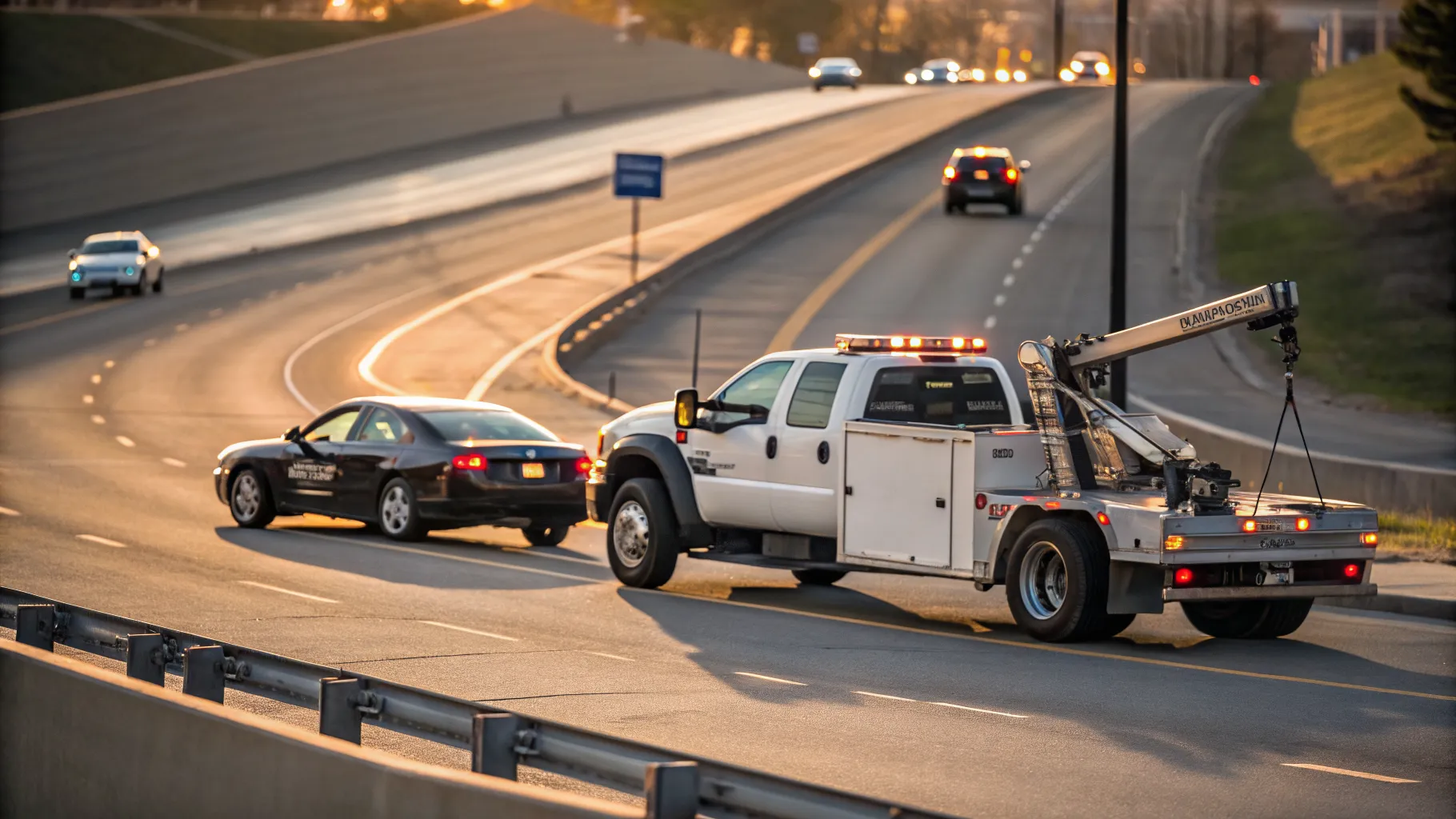
Common Causes for Vehicle Seizure by Police
Several scenarios can lead to the police seizure of a vehicle. One of the most frequent reasons involves serious traffic infractions, such as driving under the influence (DUI), reckless driving, or driving with a suspended or revoked license. In these cases, law enforcement often has the authority to immediately remove the vehicle from the roadway to prevent further illegal activity or danger. Beyond traffic offenses, vehicles may be impounded if they are involved in criminal investigations, suspected of being stolen, or found to be illegally parked in a manner that obstructs traffic or violates specific municipal ordinances. Understanding these triggers is the first step in avoiding the costly and inconvenient process of car retrieval.
Navigating the Immediate Aftermath of an Impoundment
Once your vehicle has been towed, immediate action is often required. The police department or towing company will typically provide a notice of vehicle impoundment, outlining the reason for the seizure and the steps required for its release. It is vital to obtain this information quickly, as daily storage charges and other impound fees can accumulate rapidly. Failing to act promptly can significantly increase the financial burden and, in some cases, lead to the vehicle being sold at auction to cover the accumulating costs. Knowing the procedures for reclaiming your car is paramount.
The Financial Burden: Understanding Impound Fees and Charges
The cost associated with retrieving an impounded vehicle can be substantial. These expenses typically include towing fees, daily storage fees, and administrative fees imposed by the impounding agency. Towing fees can vary widely depending on the distance towed and the type of vehicle, while storage fees accrue for every day the vehicle remains in the impound lot. Additionally, some jurisdictions levy specific administrative charges related to the police impound cars process itself. These impound fees can quickly escalate, making it imperative to act swiftly to minimize the financial impact of vehicle impoundment. It's crucial to understand the breakdown of these charges before attempting car retrieval.
Comparison: Different Types of Impoundment and Their Costs
The nature of the impoundment significantly impacts the associated costs and complexities. For instance, a vehicle impounded due to a minor parking violation might incur lower impound fees and be easier to retrieve compared to a vehicle impounded as evidence in a major criminal investigation. The latter could involve extended storage times and require court orders for release, leading to significantly higher overall expenses. Similarly, vehicles subject to civil forfeiture, where the government seeks ownership of property used in a crime, present a different set of challenges and costs entirely. Each type of vehicle impoundment necessitates a distinct approach for reclaiming your car.
Actionable Advice: Reclaiming Your Car After Police Seizure
- Gather Necessary Documentation: Before heading to the impound lot, ensure you have your driver's license, vehicle registration, and proof of insurance. Without these, the facility may refuse the release of your vehicle. This is a critical step in any car retrieval process.
- Contact the Impounding Agency: Determine which police department or agency authorized the tow. They can provide details on the specific impound lot and any prerequisite steps, such as obtaining a release form or paying fines directly to the court. Understanding the exact reason for the police impound cars action is vital.
- Be Prepared for Fees: Have funds ready to cover towing and storage charges. Most impound lots accept cash or credit cards. Remember, these impound fees increase daily, so prompt action saves money.
- Inspect Your Vehicle: Before leaving the impound lot, thoroughly inspect your vehicle for any new damage. Document any discrepancies with photos or video and report them to the lot attendant immediately. This helps protect you in case of disputes regarding the vehicle impoundment condition.
- Understand Legal Recourse: If you believe your vehicle was unlawfully impounded or if you cannot afford the fees, seek legal advice. An attorney specializing in traffic or property law can help you explore options for challenging the impoundment or negotiating reduced fees for reclaiming your car.
Frequently Asked Questions
Can I get my car out of impound without proof of ownership if the police impound cars?
No, generally you cannot. To facilitate car retrieval, you will almost always need to provide valid proof of ownership (title or registration), a valid driver's license, and proof of insurance. These documents confirm your right to reclaim the vehicle and ensure you are legally allowed to drive it off the lot. If you do not have these documents, you may need to go through a more complex legal process or have a registered owner with proper identification accompany you.
What happens if I don't retrieve my vehicle after police impound cars?
If you fail to retrieve your vehicle after police impound cars, the accumulating impound fees will eventually exceed the vehicle's value. After a certain period, which varies by state and local jurisdiction (often 30-90 days), the impound lot or municipality will typically initiate procedures to sell the vehicle at public auction to cover the outstanding charges. This means you will lose ownership of your vehicle and could still be liable for any remaining balance if the sale price doesn't cover all the accrued costs, a harsh consequence of prolonged vehicle impoundment.
Are there ways to reduce impound fees when retrieving my car?
Reducing impound fees can be challenging, but it's not impossible. One key strategy is to act quickly; daily storage fees are a major component, so prompt car retrieval minimizes these costs. In some cases, if the impoundment was due to an error by law enforcement, you might be able to contest the charges through legal channels or with the impounding agency. Additionally, some jurisdictions offer hardship waivers or payment plans, especially for lower-income individuals or if the vehicle is essential for work. Always inquire about all available options to mitigate the financial impact of police seizure.
References
- Official Government Guidelines on Vehicle Impoundment Procedures
- Local Municipal Codes Regarding Vehicle Seizure and Release
- Legal Aid Resources for Impounded Vehicle Owners
Authored by 24Trendz team