Understanding National Park Entrance Fees in the United States
The United States National Park System is a network of breathtaking natural and historical sites, attracting millions of visitors each year. While many national parks are free to enter, a significant number charge an entrance fee. These fees are not arbitrary; they are essential for the upkeep, preservation, and enhancement of these protected areas, ensuring their beauty and accessibility for future generations. Understanding the fee structure can help visitors plan their trips more effectively and enjoy their experiences without unexpected costs.
The Purpose of National Park Entrance Fees
Entrance fees collected at national parks serve a vital function in the conservation and operational funding of these cherished landscapes. A substantial portion of these fees remains within the park where they were collected. This localized funding is critical for a wide range of park necessities, including maintaining visitor facilities, trails, roads, and crucial infrastructure.
Beyond direct maintenance, fees also support essential services like visitor education programs, ranger patrols, and wildlife management initiatives. By contributing to these fees, visitors directly participate in the preservation efforts that keep these natural and historical sites pristine and accessible for everyone.
Types of Entrance Fees You Might Encounter
National parks employ various fee structures to accommodate different types of visitors and entry methods. The most common types of fees are typically based on vehicle entry or individual entry, with some parks offering specific options for motorcyclists or groups.
Per Vehicle Fee: Many parks charge a single fee per private, non-commercial vehicle. This fee usually covers the driver and all passengers in that vehicle for a set number of days, often 7 consecutive days.
Per Person Fee: For visitors entering on foot, by bicycle, or sometimes via public transportation, parks often charge a per-person entrance fee. This fee also typically grants entry for a set number of days.
Motorcycle Fee: Some parks have a specific fee for motorcycles, which usually covers the rider and any passengers for a set duration.
Annual Park-Specific Pass: For those who frequently visit a particular national park throughout the year, an annual pass for that specific park might be available. This pass provides unlimited entries for one year from the month of purchase.
The America the Beautiful National Parks and Federal Recreational Lands Pass Series
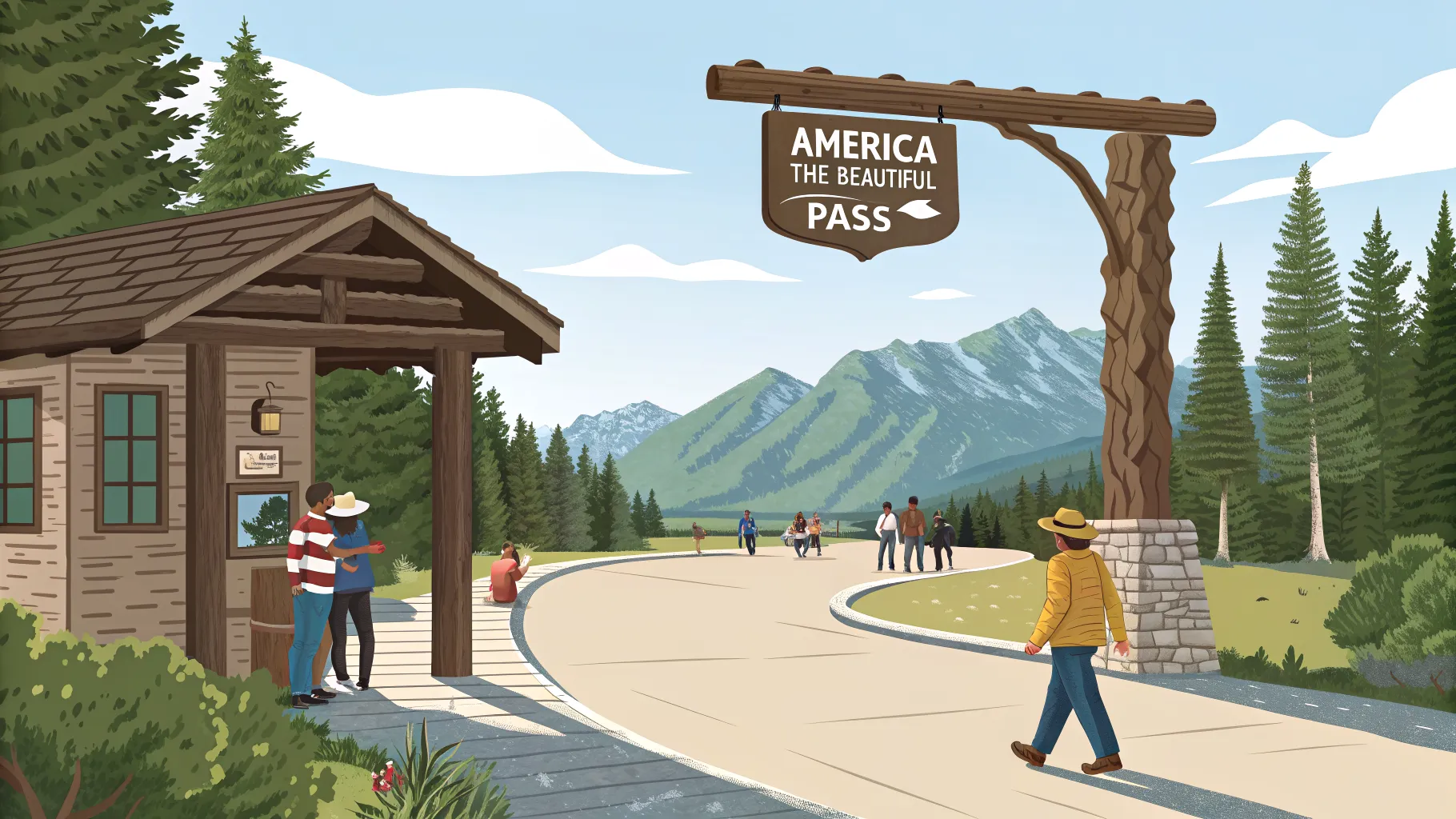
For avid national park enthusiasts, the America the Beautiful Pass series offers an economical way to access numerous federal recreation sites. These passes are generally honored at all national parks that charge an entrance fee, as well as at national wildlife refuges and many Bureau of Land Management, U.S. Forest Service, U.S. Army Corps of Engineers, and Bureau of Reclamation sites.
The most popular is the Annual Pass, which covers entrance fees for a driver and all passengers in a single private vehicle, or up to four adults at sites where per-person fees are charged. Several specialized passes also exist, catering to specific groups such as seniors, military personnel, and individuals with permanent disabilities, often providing significant discounts or free access.
Fee-Free Days and Special Access Programs
To ensure that everyone has an opportunity to experience the national parks, the National Park Service designates several fee-free days throughout the year. On these specific dates, all national parks that typically charge an entrance fee waive those fees, providing a great opportunity for visitors to explore without cost. These days are usually tied to national holidays or significant events related to public lands.
In addition to fee-free days, special programs offer free or discounted access to certain demographics. The 'Every Kid Outdoors' program, for instance, provides a free annual pass to all U.S. fourth graders and their families, encouraging young people to explore their nation's natural and cultural heritage. Military members and veterans also have access to free annual or lifetime passes, respectively, as a token of gratitude for their service.
How to Find Specific Park Fee Information
Before planning a trip to a national park, it is always advisable to check the most current entrance fee information. Fees can vary significantly from one park to another, and they can also change periodically due to park-specific needs or legislative updates. Relying on outdated information could lead to unexpected costs upon arrival.
The most reliable source for up-to-date fee schedules is the official National Park Service website, NPS.gov. Each individual park has its own dedicated page which typically includes detailed information on entrance fees, operating hours, and any specific alerts or regulations. Visitors can search for their desired park and navigate to the 'Plan Your Visit' or 'Fees & Passes' section for precise details.
Beyond the Entrance Fee: Other Costs to Consider
While entrance fees cover access to the park itself, visitors should be aware that other services and amenities within national parks may incur additional charges. Budgeting for these extra costs is essential for a comprehensive trip plan, especially for longer stays or specific activities.
Camping Fees: Overnight stays in designated campgrounds almost always require a separate fee, which can vary widely based on location, amenities, and reservation popularity.
Backcountry Permits: For those planning overnight backpacking trips in wilderness areas, a backcountry permit is often required, which may or may not include a fee.
Tours and Programs: Guided tours, cave tours, boat tours, or specialized educational programs often come with an additional per-person cost.
Special Use Permits: Activities such as commercial photography, specific events, or large group gatherings may necessitate a special use permit, usually accompanied by a fee.
Concessions: Services offered by concessionaires, such as lodging, dining, or equipment rentals, are separate from park fees and must be paid directly to the operator.
By understanding the various fee structures and planning ahead, visitors can fully enjoy the incredible experiences offered by the United States National Park System, knowing their contributions play a direct role in preserving these national treasures.
Authored by 24Trendz team