Understanding Constriction Bands for Men
Constriction bands for men are devices designed to be worn around the base of the penis. They are typically used to maintain an erection by restricting blood flow out of the penis, or sometimes for other purposes related to sexual health or enhancement. Understanding their design, function, and appropriate use is essential for anyone considering them.
What Are Constriction Bands?
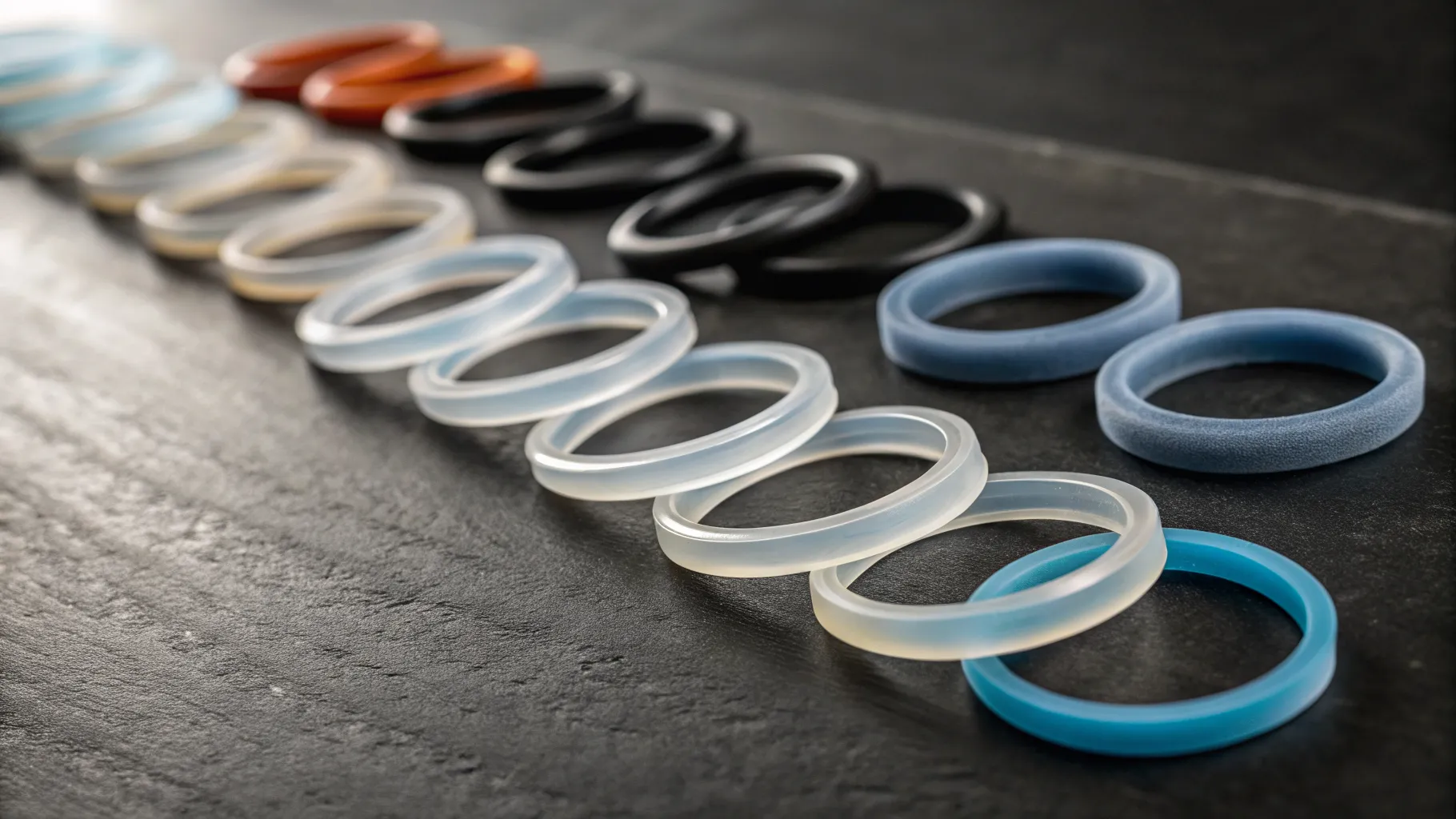
Constriction bands, often referred to as penis rings or cock rings, are circular devices typically made from various materials like silicone, rubber, metal, or leather. They are designed to be placed at the base of the penis, and sometimes also around the testicles, to create a constricting effect. The primary purpose of this constriction is to trap blood within the penis, thereby helping to sustain an erection.
These devices come in a wide array of designs, sizes, and materials, each offering different levels of rigidity and comfort. Some are simple rings, while others might feature additional elements or specific contours. Their application can range from recreational use to aiding in the management of certain physical conditions.
How Do Constriction Bands Work?
The mechanism behind constriction bands is based on simple hydraulics within the male anatomy. During an erection, blood flows into the corpora cavernosa, the two chambers within the penis, causing them to engorge and harden. Simultaneously, veins that would normally drain blood from the penis are compressed, further contributing to the rigidity.
A constriction band placed at the base of the penis acts to further restrict the venous outflow, effectively 'trapping' the blood in the erectile tissue. This helps to maintain the engorgement and rigidity of the penis for a longer duration than might otherwise occur. It is crucial that the arterial blood flow into the penis is not significantly impeded, only the venous return.
Types of Constriction Bands
Constriction bands are available in several forms, each with distinct characteristics and potential applications. The choice of type often depends on individual preference, desired effect, and safety considerations. Materials vary widely, influencing comfort, durability, and hypoallergenic properties.
Single Rings: These are the most common and simplest form, designed to fit around the base of the penis only. They are often made of flexible silicone or rubber for comfort and stretch.
Double Rings: These typically feature one ring for the penis and another for the testicles, sometimes connected by a bridge. This design can provide a different sensation and a more secure fit for some users.
Adjustable Rings: Some bands incorporate adjustable mechanisms, such as buckles, Velcro, or beads, allowing users to customize the level of constriction. These can be particularly useful for finding an optimal fit.
Material Variations: Materials include medical-grade silicone, soft rubber, various metals (e.g., stainless steel, aluminum), leather, and sometimes even inflatable designs. Each material offers different levels of flexibility, weight, and warmth.
Potential Applications and Considerations
Constriction bands are primarily explored for their potential role in enhancing erectile function and sexual experience. For individuals experiencing mild to moderate erectile dysfunction, these devices can be part of a management strategy, often used in conjunction with vacuum erection devices or other therapies prescribed by a healthcare professional.
Beyond clinical applications, some men use constriction bands for recreational purposes to potentially enhance sensations or maintain erections during sexual activity. It's important to understand that while they can aid in maintaining an erection, they do not create an erection independently. They work best when there is already some level of erectile firmness to enhance or sustain.
Safety Considerations and Risks
Using constriction bands carries inherent risks if not used properly. The most significant danger is prolonged use or excessive tightness, which can severely impede blood circulation. This can lead to tissue damage, nerve damage, numbness, and in extreme cases, permanent injury to the penis. It is paramount to prioritize safety over perceived benefits.
To mitigate risks, always ensure the band is not too tight and is removed within a safe timeframe, generally no longer than 30 minutes. If any discomfort, numbness, coldness, or discoloration is experienced, the band should be removed immediately. Always choose a band made from body-safe materials, and ensure it can be easily removed in an emergency.
Proper Selection and Usage
Choosing the right constriction band involves considering material, size, and design. Opt for materials that are non-porous and easy to clean, such as medical-grade silicone. The size should provide a snug fit that is effective without being painfully tight. Many beginners find flexible, adjustable bands to be a safer starting point.
Before initial use, read any provided instructions carefully. Lubrication can make placement more comfortable and safer. Always ensure the band is placed at the base of the penis, not higher up on the shaft, and that it is easily removable. Never fall asleep while wearing a constriction band, and always set a timer to ensure it's removed within the recommended safe period. Regular inspection of the skin for irritation or injury is also advisable.
Seeking Professional Advice
For men considering constriction bands, especially for managing erectile dysfunction or other medical conditions, consulting a healthcare professional is strongly recommended. A doctor can provide personalized advice, assess suitability, and discuss potential risks and benefits in the context of an individual's overall health.
They can also help rule out underlying health issues that might contribute to erectile difficulties and recommend the most appropriate and safest course of action, which may or may not involve constriction bands. Self-diagnosis and self-treatment, particularly with medical devices, can lead to unintended complications without proper guidance.
Authored by 24Trendz team