Exploring the World of Retired Military Equipment for Sale
The allure of retired military equipment often stems from its robust construction, historical significance, or unique capabilities. For many, acquiring such items is a hobby, a way to own a piece of history, or a practical decision for demanding applications. This equipment, once integral to defense operations, transitions into the civilian market through various channels, offering a wide array of items from large vehicles to small tools.
Understanding 'Retired Military Equipment'
The term 'retired military equipment' encompasses a broad category, primarily split into two main types: surplus and decommissioned. Military surplus refers to items that were produced for military use but were never issued or were issued and then returned due to upgrades, overstocking, or changes in operational needs. These items often include uniforms, field gear, tools, and sometimes even smaller vehicles.
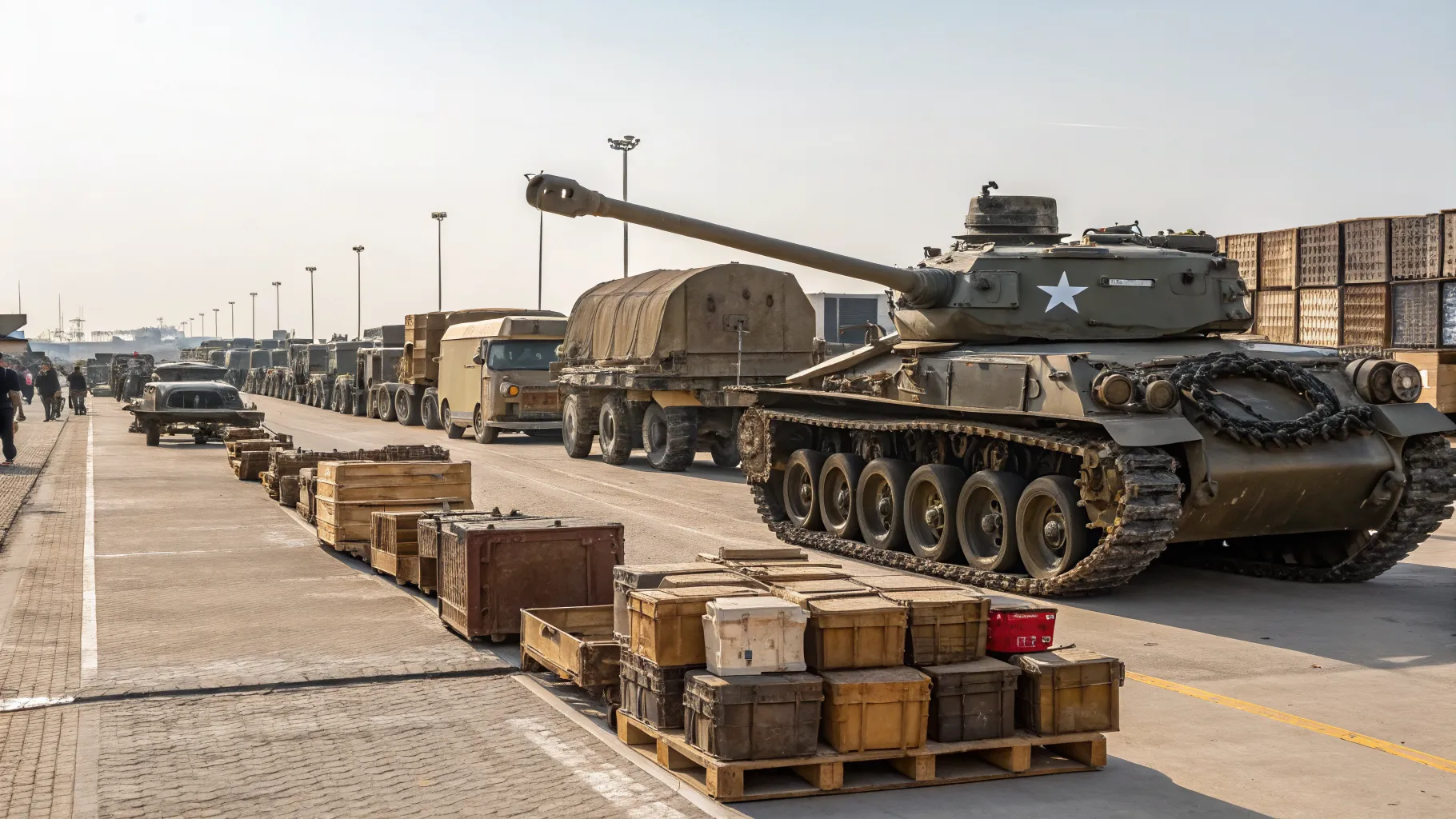
Decommissioned equipment, on the other hand, refers to items that were actively used by military forces and have been officially removed from service. This can range from tanks, jeeps, and aircraft to specialized communication devices and heavy machinery. While surplus items are generally easier to acquire, decommissioned assets often require more stringent legal processes and come with unique challenges regarding their condition and functionality.
The Diverse Range of Available Items
The civilian market for retired military equipment is remarkably diverse, catering to various interests and needs. Enthusiasts might seek out historical artifacts, while practical users look for durable solutions for off-road adventures, farming, or construction. The scope of items available is extensive, encompassing everything from personal gear to substantial machinery.
Common items found include utility vehicles like Jeeps and Humvees, trucks, and sometimes even aircraft or boats that have been demilitarized. Smaller items frequently seen include durable clothing, tents, backpacks, field tools, medical kits, and communication devices. The availability often depends on the specific military branches and their cycles of equipment upgrades and disposals.
Where to Find Military Surplus and Decommissioned Gear
Locating retired military equipment requires knowing the right channels, as these items are not typically sold in conventional retail stores. The primary sources often involve government auctions, specialized dealers, and online marketplaces dedicated to military surplus.
- Government Auctions: Federal and state governments frequently auction off surplus and decommissioned equipment. These auctions can be a source for larger items like vehicles and heavy machinery. Websites for government surplus sales are common starting points.
- Specialized Military Surplus Stores: Many businesses specialize in selling military surplus. These stores, both brick-and-mortar and online, often have a curated selection of smaller gear, uniforms, and tools. They can also serve as intermediaries for larger equipment.
- Online Marketplaces: General online auction sites and classifieds can also feature retired military equipment. However, buyers should exercise caution and verify the authenticity and legality of items when purchasing from less specialized platforms.
- Trade Shows and Conventions: Events focused on military history, outdoor recreation, or specific vehicle types sometimes host vendors selling surplus and decommissioned items, offering an opportunity for in-person inspection and expert advice.
Legal Considerations and Regulations
Purchasing retired military equipment is not always as simple as a regular retail transaction, as it often involves specific legal considerations and regulations. These rules vary significantly depending on the type of equipment, its origin, and the buyer's location.
For example, vehicles may require specific titles or demilitarization certificates to be legally registered for road use. Items that once contained sensitive technology may need to be rendered inoperable or modified to meet civilian standards. Furthermore, certain items, such as night vision devices or armored components, might be subject to export controls or restrictions on civilian ownership. It is crucial for potential buyers to research all applicable federal, state, and local laws before making a purchase.
What to Look For When Buying
Making an informed purchase of retired military equipment involves careful evaluation. Given the unique nature of these items, buyers should prioritize several key factors to ensure satisfaction and avoid potential issues.
First, thoroughly inspect the condition of the item. Military equipment is built to be durable, but its operational history can lead to significant wear and tear. Look for signs of damage, rust, or missing components. For vehicles, inquire about maintenance records and operational status. Second, verify authenticity and provenance. Reputable sellers should be able to provide documentation or clear descriptions of the item's origin. Finally, always research the seller's reputation and policies, particularly for warranty or return options, as these can be less common for surplus goods.
Common Pitfalls and How to Avoid Them
While the market for retired military equipment offers many opportunities, it also has potential pitfalls that buyers should be aware of. Avoiding these can save time, money, and legal trouble.
One common issue is misrepresentation of an item's condition or functionality. Always assume that 'as is' means exactly that, and be wary of sellers making exaggerated claims without proof. Another pitfall is overlooking hidden costs such as shipping for large items, storage fees, or necessary repairs and modifications to make the equipment usable or legal. Finally, never attempt to purchase restricted items without proper authorization or to circumvent demilitarization requirements, as this can lead to severe legal penalties. Diligence and thorough research are the best defenses against these problems.
Practical Uses for Retired Military Equipment
Beyond collecting, retired military equipment finds various practical applications in civilian life. Its robust design and often specialized features make it suitable for tasks where conventional commercial equipment might fall short.
For instance, military trucks and utility vehicles are often favored for off-road recreation, overland expeditions, or use in rugged agricultural or construction environments due to their heavy-duty construction and four-wheel-drive capabilities. Smaller items like surplus tents, backpacks, and durable clothing are popular among campers, hikers, and outdoor enthusiasts who appreciate their resilience and functional design. Even components, like engine parts or communication modules, can be repurposed by hobbyists or for specialized projects, highlighting the enduring utility of this equipment long after its active military service concludes.
Authored by 24Trendz team