Understanding Laser Treatment for Varicose Veins: A Comprehensive Guide
Fast Facts:
- Laser treatment for varicose veins is highly effective.
- Minimally invasive varicose vein treatment gaining popularity globally.
Exploring the Efficacy and Procedure of Laser Treatment for Varicose Veins
For countless individuals, the appearance and discomfort associated with varicose veins present a significant challenge, often impacting daily life and self-confidence. Fortunately, modern medical advancements offer highly effective solutions, with laser treatment for varicose veins standing out as a leading, minimally invasive option. This comprehensive guide delves deep into understanding how this sophisticated vein therapy works, its numerous benefits, and what patients can expect throughout the process of vein removal, providing clarity on why it has become a preferred choice for millions seeking relief and aesthetic improvement.
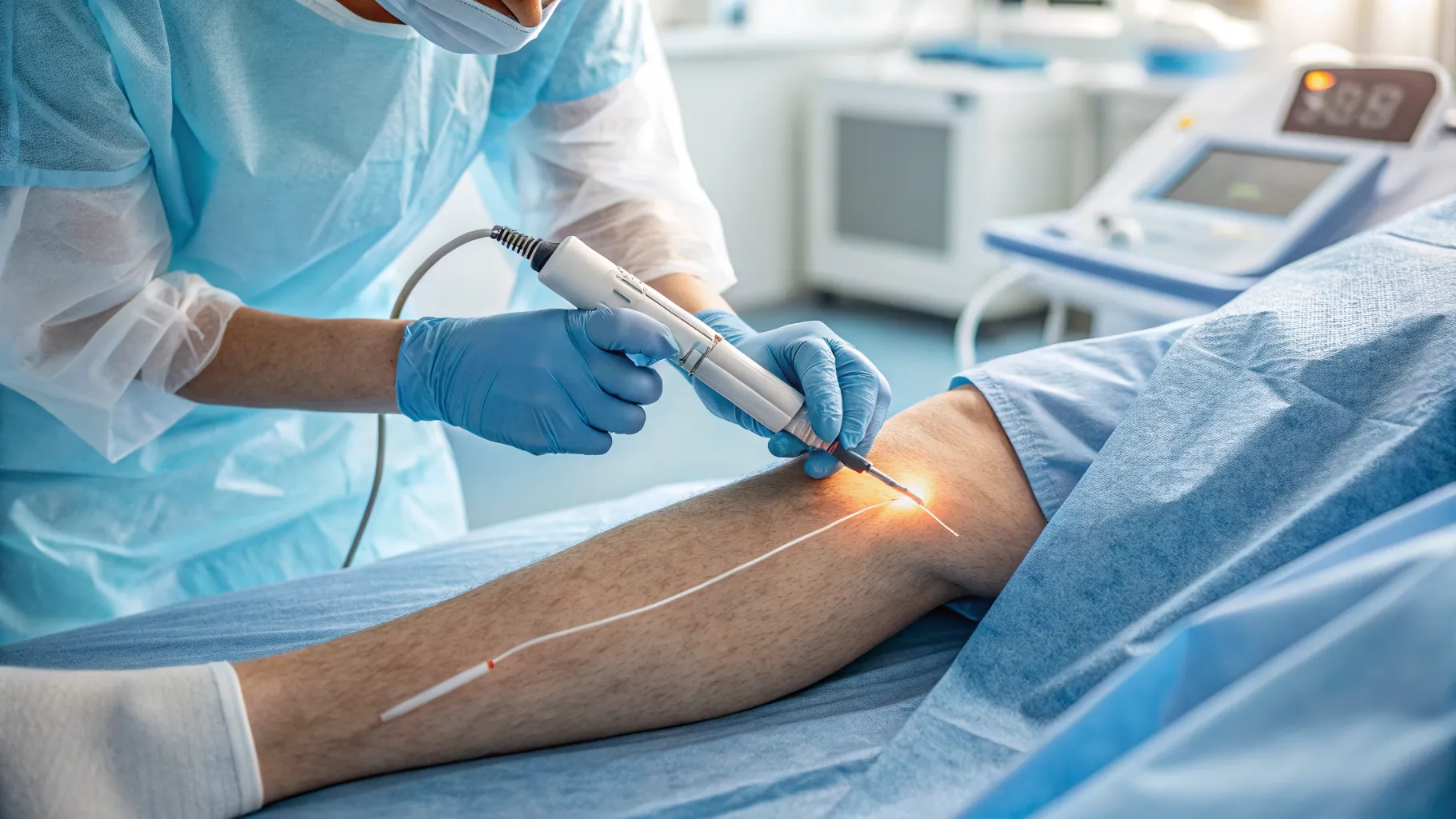
What is Endovenous Laser Ablation (EVLA)?
Endovenous laser ablation (EVLA) is a state-of-the-art procedure that utilizes laser energy to treat and effectively close problematic varicose veins. Unlike traditional surgical stripping, this advanced laser treatment for varicose veins is performed using a thin laser fiber inserted directly into the affected vein, usually through a tiny incision. The laser emits controlled heat, which causes the vein walls to collapse and seal shut. Over time, the treated vein is naturally absorbed by the body, redirecting blood flow to healthier veins. This method represents a significant leap forward in vein therapy, offering a far less invasive approach to vein removal compared to older techniques, and is now considered a gold standard in varicose vein treatment due to its precision and efficacy.
The Benefits of Choosing Laser Treatment for Varicose Veins
Opting for laser treatment for varicose veins offers a multitude of advantages that make it a highly desirable choice for individuals seeking effective varicose vein treatment. Beyond merely addressing the cosmetic concerns, this form of vein therapy significantly alleviates symptoms such as pain, swelling, cramping, and itching, leading to a substantial improvement in quality of life. The minimally invasive nature of endovenous laser ablation (EVLA) translates into a quicker recovery and fewer post-operative complications, allowing patients to return to their daily routines with minimal disruption. The precision of the laser ensures targeted treatment, preserving surrounding healthy tissues while effectively eliminating the problematic veins, making it an excellent choice for efficient vein removal.
- Minimally Invasive Nature: Unlike traditional surgery that requires larger incisions, EVLA involves only a small puncture, reducing scarring and post-operative pain. This makes the entire varicose vein treatment process much more comfortable and less daunting for patients.
- Rapid Recovery Time: Patients typically experience a swift return to normal activities, often within a day or two. The recovery period for laser treatment for varicose veins is significantly shorter than surgical alternatives, allowing for quicker resumption of work and exercise.
- High Efficacy Rates: Studies consistently demonstrate that endovenous laser ablation (EVLA) has a success rate exceeding 95% in permanently closing treated veins, making it one of the most reliable forms of vein therapy available today.
- Improved Cosmetic Outcome: The procedure not only resolves medical symptoms but also significantly enhances the aesthetic appearance of the legs by reducing the visibility of bulging, discolored veins, achieving excellent results in vein removal.
The Patient Journey: What to Expect During Your Vein Treatment
Initial Consultation and Diagnosis
The journey to effective varicose vein treatment begins with a thorough consultation. During this appointment, a specialist will conduct a physical examination and take a detailed medical history to understand your specific condition and symptoms. A crucial step is the use of ultrasound imaging, which provides a precise map of the underlying venous system, identifying the exact source of reflux and the extent of the varicose veins. This diagnostic precision is vital for formulating a personalized laser treatment for varicose veins plan tailored to your unique needs, ensuring the most effective and targeted approach.
The Procedure Day
On the day of your endovenous laser ablation (EVLA), you will typically receive a local anesthetic to numb the area around the affected vein, ensuring a comfortable experience. A small incision, usually no larger than a pen tip, is made, through which a thin catheter is inserted. The laser fiber is then threaded through this catheter into the problematic vein. Once positioned accurately, the laser is activated, delivering controlled heat energy as the fiber is slowly withdrawn. This process causes the vein to seal shut. The entire vein removal procedure is usually completed within 45 to 60 minutes, depending on the number and size of veins being treated, and is often performed in an outpatient setting.
Post-Procedure Care and Recovery
Immediately after your laser treatment for varicose veins, a compression stocking will be applied to the treated leg. This is crucial for promoting healing, reducing swelling, and ensuring the treated vein remains closed. Patients are encouraged to walk regularly from the same day to maintain blood flow and prevent complications, but strenuous activities, heavy lifting, and prolonged standing or sitting should be avoided for a period recommended by your physician. Follow-up appointments, often including ultrasound checks, are scheduled to monitor healing and confirm the success of the vein therapy. Adhering to post-procedure instructions is key for optimal results and preventing recurrence in varicose vein treatment.
Comparing EVLA with Other Varicose Vein Treatment Options
While various methods exist for addressing varicose veins, endovenous laser ablation (EVLA) stands out as a highly effective and preferred choice when compared to other conventional and newer varicose vein treatment modalities. Traditional surgical stripping, once common, involves physically removing the vein, leading to larger incisions, more pain, and a longer recovery period. Sclerotherapy, involving injections of a solution to close veins, is excellent for smaller spider veins but often less effective for larger, deeper varicose veins than laser treatment for varicose veins. Radiofrequency ablation (RFA) is similar to EVLA in principle, using radiofrequency energy instead of laser heat, and both are considered modern, minimally invasive options. However, EVLA often offers comparable or superior results for many patients seeking comprehensive vein removal with minimal downtime, making it a robust option in modern vein therapy.
Addressing Potential Risks and Side Effects
Like any medical procedure, laser treatment for varicose veins carries a minimal risk of side effects, though it is generally considered very safe and effective. Most patients experience only minor and temporary discomforts, which typically resolve within a few days or weeks. Common temporary side effects can include bruising, tenderness, mild swelling, or a feeling of tightness along the treated vein, which are all normal parts of the healing process after vein removal. Occasionally, patients might experience temporary numbness in the treated area, which usually subsides as nerves recover. Serious complications, such as deep vein thrombosis (DVT) or infection, are exceedingly rare but are diligently minimized through careful patient selection and sterile techniques. Your medical team will discuss all potential risks during your consultation, ensuring you are fully informed about your varicose vein treatment and the chosen vein therapy.
Frequently Asked Questions
Is laser treatment for varicose veins painful?
Most patients report minimal discomfort during the procedure, thanks to local anesthesia. Post-procedure pain is typically mild and manageable with over-the-counter pain relievers, making endovenous laser ablation (EVLA) a well-tolerated option for vein removal.
How long does recovery take after vein removal?
Recovery from laser treatment for varicose veins is generally swift. Most individuals can resume normal, light activities within 1-2 days, though strenuous exercise should be avoided for a couple of weeks. Wearing compression stockings is a crucial part of the initial recovery period for optimal healing and reducing swelling associated with varicose vein treatment.
Are the results of endovenous laser ablation permanent?
Endovenous laser ablation (EVLA) boasts a high success rate in permanently closing the treated vein. While the treated vein is eliminated, it's important to understand that new varicose veins can develop in other areas over time, due to underlying factors. However, the initial laser treatment for varicose veins offers long-lasting relief and aesthetic improvement for the targeted veins.
References
- Journal of Vascular Surgery
- American College of Phlebology Guidelines
- National Institute for Health and Care Excellence (NICE)
- Mayo Clinic Research on Venous Insufficiency
Authored by 24Trendz team