Natural ways to address low energy: An evidence-based guide to sleep, movement, and fatigue causes
Always tired? Here are seven natural ways to address low energy without treating fatigue as an inevitable part of a busy schedule. The available research points to practical foundations including sleep hygiene, movement, hydration, balanced meals, daylight exposure, stress regulation, and evaluation for medical causes.
1. Make sleep quality the first checkpoint
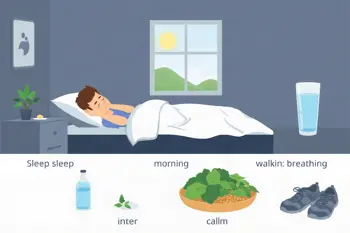
Consistent sleep timing, a cool and dark bedroom, and reduced phone use before bed are central sleep-hygiene measures recommended for improving rest. Baylor College of Medicine notes that persistent daytime sleepiness, especially falling asleep during the day, may indicate a sleep disorder such as sleep apnea, which can occur even without obesity or loud snoring. 1 The Sleep Foundation identifies a regular sleep schedule as a foundation for maintaining energy over time. 2
Sleep quantity alone does not establish that fatigue is harmless. Fragmented or poor-quality sleep can leave a person tired despite spending many hours in bed. If earlier bedtimes, reduced evening screen exposure, and a cool, dark room do not improve sleep, clinical testing may be appropriate rather than repeated reliance on stimulants. 1
2. Use movement as an energy intervention
Regular physical activity can reduce fatigue even when motivation is low. Walking, light strength training, yoga, and brief movement breaks are practical starting points because they increase circulation and help preserve muscle function. Time reports that a 2008 study in Psychotherapy and Psychosomatics found low-intensity exercise reduced fatigue symptoms by 65% among inactive participants, with a larger reduction than medium-intensity exercise in that study. 3
The appropriate dose depends on current health and fatigue severity. Beginning with manageable activity can be more realistic than forcing an intensive workout, while exercising late in the day may interfere with sleep for some people. Harvard Health also describes inactivity-related muscle loss as a factor that can compound declining energy, making sustainable movement important over the long term. 4
3. Stabilize energy through food and fluids
Meals built around nutrient-dense, high-fiber foods, complex carbohydrates, and lean protein can support steadier blood glucose than meals dominated by refined sugars. NPR’s reporting on fatigue emphasizes a diversified, gut-supportive diet, while the supplied research notes that high-glycemic foods may produce rapid rises and subsequent drops in blood sugar. 5 A large, carbohydrate-heavy meal followed by an afternoon slump can also warrant discussion with a clinician about blood sugar regulation. 1
Hydration is another basic but frequently overlooked variable. The Mayo Clinic links adequate fluid intake with physical performance, and the supplied research associates dehydration with fatigue and reduced cognitive performance. 6 Water needs vary by circumstances, so fatigue should not automatically be attributed to dehydration. Persistent symptoms despite regular meals and fluids require broader consideration.
4. Align daylight and caffeine with the body clock
Morning exposure to natural light helps regulate the circadian clock, alertness, and the timing of melatonin production. Cleveland Clinic describes morning light as a cue that helps reset circadian rhythms, which can support better sleep and daytime wakefulness. 7 This approach is gradual and depends on consistent daily timing rather than a single exposure.
Caffeine can temporarily increase alertness but may worsen the cycle if it interferes with nighttime recovery. Sleep Education reports that caffeine consumed within six hours of bedtime can disrupt restorative sleep for some people. 8 Limiting late-afternoon and evening caffeine is therefore a reasonable experiment, particularly when fatigue is accompanied by difficulty falling asleep or repeated nighttime waking.
5. Reduce the energy cost of chronic stress
Fatigue is not exclusively physical. Research summarized by Harvard Health identifies chronic stress, depression, and social isolation among factors that can reduce energy, while NPR’s expert discussion addresses both mental and physical tiredness. 4 Diaphragmatic breathing, meditation, and planned periods of recovery may help reduce the continuous mental load associated with stress, although these practices are not substitutes for care when anxiety or depression is severe.
Stress management requires ongoing maintenance rather than a single session. A practical routine may include short breathing exercises, protected pauses between demanding tasks, and regular social contact. The objective is not to eliminate every stressor, but to reduce the repeated strain that can undermine sleep, appetite, concentration, and willingness to move.
6. Treat supplements as targeted tools, not universal fixes
Magnesium participates in more than 300 biochemical reactions, including processes involved in energy production, according to the National Institutes of Health. 9 Iron, vitamin B12, folate, vitamin D, and magnesium deficiencies can also contribute to persistent fatigue, but supplementation is most rational when a deficiency or relevant risk has been identified. Iron deficiency anemia is a recognized medical cause of low energy. 10
Taking supplements without identifying the cause can misdirect attention and may be inappropriate for people with medical conditions or medication interactions. The supplied clinical guidance emphasizes that fatigue is a symptom rather than a diagnosis. Persistent or worsening symptoms should be evaluated through a healthcare provider instead of being assigned to a presumed nutrient deficiency or marketed botanical.
7. Know when low energy needs medical evaluation
Short-term tiredness can follow poor sleep, intense activity, mental strain, or inadequate fluid intake. Fatigue that persists for weeks, interferes with ordinary activities, or includes marked daytime sleepiness deserves medical attention. Time specifically advises checking for conditions such as anemia or heart problems when fatigue lingers, while Baylor College of Medicine also identifies diabetes, low blood sugar, and sleep disorders as possible contributors. 3 1
A useful sequence is to establish regular sleep, modest movement, balanced meals, adequate fluids, morning light, and earlier caffeine timing while tracking symptoms. If energy does not improve, the tracking record can help a clinician assess patterns, medications, sleep quality, blood sugar concerns, or nutrient status. Natural strategies work best as continuing habits, not as a promise that every cause of fatigue can be solved at home.
Sources
- Baylor College of Medicine, “Feeling fatigued? How to pinpoint the cause and feel more energized”
- Sleep Foundation, “Sleep Hygiene”
- TIME, “7 Ways to Reduce Fatigue Naturally”
- Harvard Health, “Ways to maximize your energy”
- NPR, “Always tired? Here are 7 natural ways to boost your energy”
- Mayo Clinic, “Dehydration: Symptoms and causes”
- Cleveland Clinic, “Circadian Rhythm”
- Sleep Education, “Healthy Sleep Habits”
- National Institutes of Health, “Magnesium: Fact Sheet for Consumers”
- WebMD, “Iron-Deficiency Anemia”
Authored by 24Trendz team