Natural ways to address joint stiffness: An analysis of lifestyle, mobility, and structural support strategies
Joint stiffness is a frequently reported experience, characterized by a sensation of rigidity or decreased range of motion that often becomes more pronounced after periods of inactivity, such as sleeping 2, 9. While often associated with the natural aging process, the experience is not limited to older adults and can be influenced by a variety of factors including reduced muscle mass, prior injury, chronic inflammation, and dehydration 2, 7. Understanding the underlying mechanics of joint health is essential for developing effective, sustainable strategies to support long-term mobility and function 3, 8.
The Biology of Synovial Fluid and Joint Lubrication
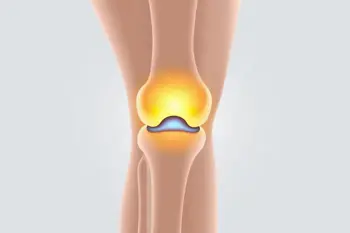
At the center of joint mobility is synovial fluid, a clear, gel-like substance that fills the space within the joint capsule 1, 8. Functioning similarly to motor oil in a mechanical system, this fluid reduces friction between bones and delivers critical nutrients to the cartilage that cushions joint surfaces 1. As individuals age, the body may produce less synovial fluid, and its composition can become thinner or more viscous, particularly during periods of rest or inactivity 1, 4. This thickening, which can be likened to the consistency of cold honey, contributes significantly to the feeling of rigidity upon waking 4, 9.
Morning Mobility Routines for Stiffness Management
Because joint fluid pools and connective tissues shorten during long periods of horizontal rest, morning movement is often prioritized to restore function 4, 9. Experts recommend incorporating gentle, progressive mobility drills before attempting heavier activity 4. Common routines include neck and shoulder rolls, wrist and ankle rotations, and movements such as the cat-cow pose or knee-to-chest stretches 9. These actions are intended to stimulate the circulation of synovial fluid through the joint capsule without placing excessive load on the structures, thereby warming them up gradually 4, 9.
The Role of Physical Activity and Exercise
Regular, low-impact activity is widely regarded as one of the most effective interventions for maintaining joint function and mobility 1, 5, 10. Consistent movement promotes joint lubrication and prevents the stagnation of synovial fluid that occurs with a sedentary lifestyle 1, 6. Recommended activities for sustaining mobility include walking, cycling, swimming, and water exercises, which provide aerobic benefits while minimizing mechanical stress on weight-bearing joints 5, 10. Furthermore, strength training is essential for supporting joints by increasing the robustness of surrounding muscle groups, which helps stabilize the joint structure during daily movement 10, 11.
Dietary Strategies and Inflammation Control
Nutritional patterns play a supportive role in managing the systemic inflammation that often accompanies joint discomfort 7, 10. A Mediterranean-style diet, which emphasizes whole grains, vegetables, fruits, legumes, nuts, and healthy fats like olive oil and omega-3 fatty acids, is frequently cited for its potential to support overall health and weight management 1, 10. Reducing excess body weight is a critical factor, as it lowers the mechanical load on weight-bearing joints, which can correlate with improvements in physical function and a reduction in discomfort for individuals managing weight-related stress 7, 10, 12.
Environmental and Therapeutic Modalities
Beyond movement and nutrition, specific environmental adjustments can assist in the day-to-day management of stiffness. Heat therapy, such as taking a warm shower or using a heating pad, is often employed to temporarily increase blood flow and relax tight muscles, making movement easier 9, 10. Conversely, cold applications are sometimes utilized after activity to help manage pain or minimize swelling 10, 11. Other practices, such as tai chi, are recognized for their potential to enhance balance, flexibility, and overall physical function through controlled, mindful movement patterns 10, 11.
When to Seek Professional Medical Guidance
While natural approaches can effectively support joint health, they are not intended to replace professional medical intervention, particularly for chronic or severe conditions 7, 8. Individuals should consult a healthcare provider if joint stiffness is persistent, sudden in onset, severe, or associated with specific warning signs 10. These indicators include fever, marked swelling, pain resulting from a specific injury, or symptoms that do not resolve within an hour after waking 4, 10. A qualified professional is required to determine the root cause of discomfort and establish a safe, personalized management plan 2.
Sources
- AARP: 7 Ways to Lubricate Joints Naturally for Less Pain
- Health.com: 8 Morning Movements To Ease Stiff Joints
- LanFam Health: The Joint Stiffness Playbook
- SeniorFitness: Stiff Joints in the Morning? Mobility Drills That Help
- Nutrivity: How to Improve Joint Mobility Naturally - A UK Guide (2026)
- Top Sante: 'My joints are stiff and achy now I'm older' - expert-backed advice
- Your Health Rights: Natural Remedies That May Help Support Joint Mobility
- Ask Ayurveda: How to Lubricate Joints Naturally and Improve Flexibility
- Shree Sakshi Ayurveda: How to Reduce Joint Stiffness in the Morning Naturally
- Centers for Disease Control and Prevention: Arthritis and Physical Activity
- Mayo Clinic: Lifestyle measures for managing arthritis symptoms
- American College of Rheumatology: Osteoarthritis Guideline
Authored by 24Trendz team