Understanding Assisted Living Costs in the United States
Assisted living facilities offer a supportive environment for older adults who may need help with daily activities but do not require the intensive medical care provided in nursing homes. These communities aim to foster independence while ensuring safety and access to necessary personal care services. Understanding the financial aspects of assisted living is a critical step for families considering this option, as costs can fluctuate widely based on numerous factors.
What is Assisted Living?
Assisted living is a residential option for seniors who require assistance with activities of daily living (ADLs) such as bathing, dressing, grooming, eating, and mobility, but are still capable of a degree of independence. These communities offer a balance between personal care and a social environment, aiming to enhance the quality of life for their residents.
Beyond personal care, assisted living typically provides a structured setting with various amenities. This often includes prepared meals, housekeeping services, laundry, transportation for appointments or outings, and a calendar of social, recreational, and wellness activities designed to keep residents engaged and active.
The Broad Spectrum of Assisted Living Costs
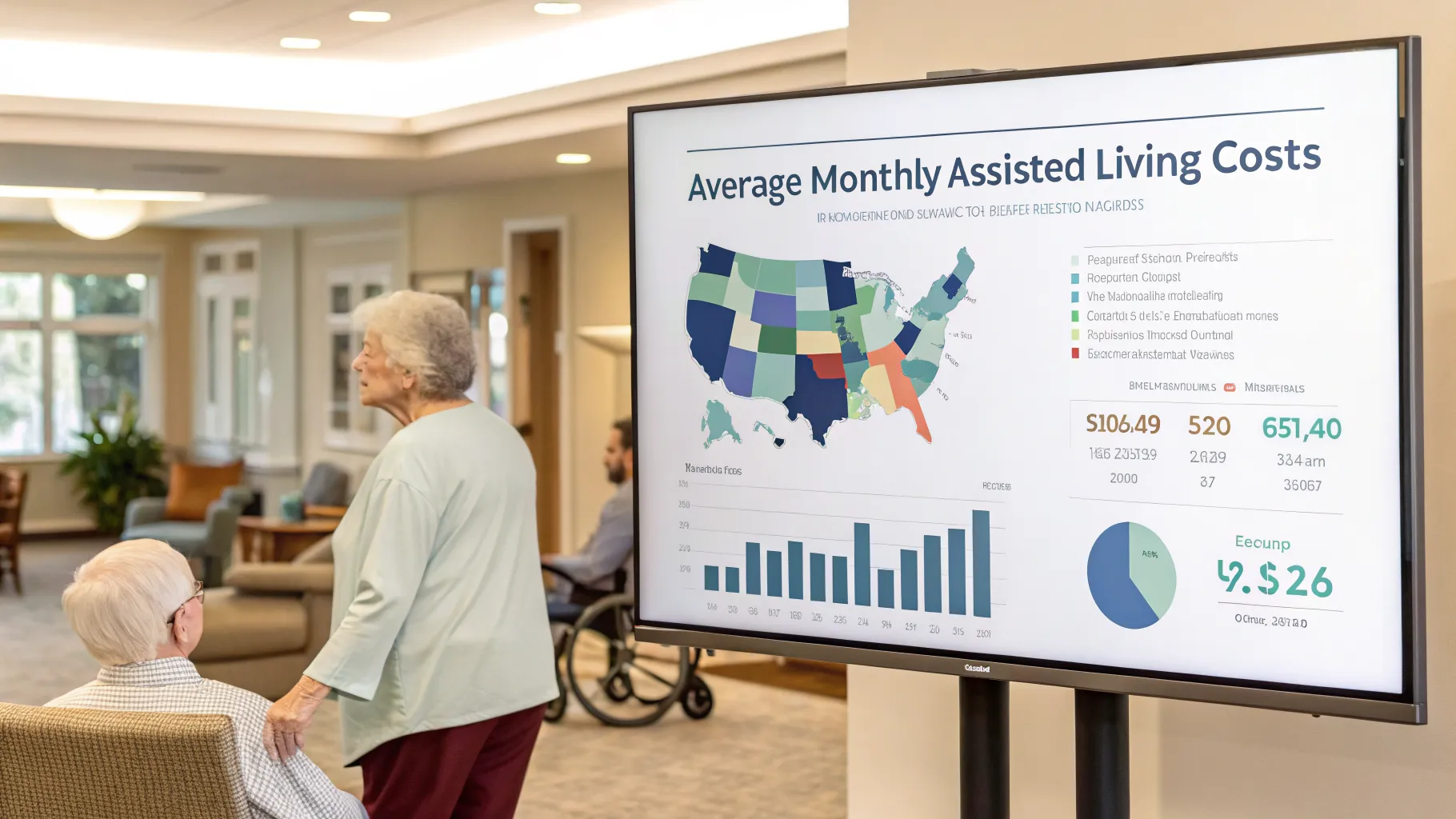
The cost of assisted living in the United States is not uniform; it varies significantly from one region to another, even within the same state or city. Factors like a state's cost of living, the density of senior care providers, and local market demand all play a substantial role in determining monthly fees.
Nationally, assisted living represents a significant monthly expense. Costs can be considerably higher in metropolitan areas or states with a high cost of living, such as the Northeast or some coastal regions, compared to more rural areas or states in the Midwest and South. Researching average costs for specific geographic locations is an essential first step for families.
Key Factors Influencing Pricing
Several elements combine to determine the final monthly expense for an assisted living resident. It is important for families to recognize these variables as they explore different facilities and services.
- Geographic Location: Costs are generally higher in urban centers and states with a higher cost of living.
- Level of Care Needed: Residents requiring more extensive assistance with ADLs, or specialized care, typically incur higher fees.
- Type of Accommodation: Private apartments with more square footage or premium views often cost more than smaller private rooms or shared accommodations.
- Amenities and Services: Facilities offering a wider range of luxury amenities, specialized programs, or extensive communal spaces may have higher base rates.
- Facility Reputation and Age: Newer facilities or those with strong reputations for exceptional care might command higher prices.
Understanding What's Included in the Base Rate
Most assisted living facilities operate on a monthly fee structure, which includes a baseline of services. This base rate is intended to cover the fundamental aspects of care and living within the community.
Common inclusions in the base monthly fee typically encompass three daily meals, basic housekeeping and laundry services, utilities (excluding personal telephone or premium cable), scheduled transportation, a range of social and recreational activities, and 24-hour supervision with emergency call systems. Basic assistance with activities of daily living, such as dressing or bathing, is often part of this foundational cost, though the extent of this assistance can vary.
Identifying Potential Additional Charges
While a base rate covers many services, it is common for assisted living communities to charge extra for certain specialized or more intensive services. Understanding these potential add-ons is crucial for accurate financial planning.
- Advanced Medication Management: Beyond simple reminders, complex medication schedules or administration may incur extra fees.
- Specialized Memory Care: Dedicated units for residents with Alzheimer's disease or other forms of dementia often have higher costs due to enhanced staffing and specialized programming.
- Individualized Therapy Services: Physical, occupational, or speech therapy, if provided on-site, may be billed separately or through a third-party provider.
- Personal Transportation: While group outings are often included, individual transportation for personal appointments outside of scheduled times may be an additional charge.
- Incontinence Care: Products and additional assistance related to incontinence management can lead to extra fees.
- Personal Laundry Services: Beyond basic linen service, personal clothing laundry may be an additional amenity.
- Guest Meals or Special Events: While residents' meals are covered, inviting guests for meals or participating in certain premium events may have an extra cost.
Financial Resources for Covering Costs
Exploring various financial resources is a vital step for families planning for assisted living expenses. A multi-pronged approach may be necessary given the significant costs involved.
Primary methods for covering assisted living costs often include private funds derived from personal savings, investments, or the sale of a home. Long-term care insurance policies, if purchased in advance, can also provide substantial financial assistance. Additionally, some veterans and their surviving spouses may be eligible for specific benefits, such as the Aid and Attendance program, to help offset care costs. State-specific Medicaid waivers or programs, while not universally available for assisted living, may offer support for eligible low-income individuals in certain circumstances.
Tips for Evaluating Assisted Living Options and Costs
When researching assisted living facilities, a thorough and meticulous approach can help families find the best fit both in terms of care and financial feasibility. Asking detailed questions is paramount.
- Review Contracts Carefully: Always read the resident agreement in its entirety, paying close attention to all fees, service packages, and cancellation policies.
- Visit Multiple Facilities: Comparing several communities allows for a better understanding of the value and services offered at different price points.
- Understand the 'Level of Care' Assessment: Inquire about how a facility assesses a resident's needs and how that assessment impacts the monthly cost structure.
- Inquire About Rate Increases: Ask about the history of annual rate increases and how much notice residents receive before a price change.
- Ask About Staff-to-Resident Ratios: A higher staff-to-resident ratio often indicates more personalized attention, which can impact the quality of care and potentially the cost.
Authored by 24Trendz team