Exploring Under-Eye Bag Removal Options: Laser vs. Other Methods
Fast Facts:
- Under-eye bags affect millions globally.
- Demand for non-surgical eye bag removal solutions is rapidly growing for aesthetic improvements.
Understanding Under-Eye Bag Removal: A Comprehensive Guide
Persistent under-eye bags can significantly impact one's appearance, often making individuals look tired or older than they are. The quest for effective solutions has led to a variety of cosmetic procedures, ranging from advanced laser therapies to traditional surgical interventions and innovative non-surgical alternatives. This guide delves deep into the primary under-eye bag removal options, with a particular focus on contrasting laser eye bag removal with other prevalent methods. Understanding the nuances of each approach is crucial for making an informed decision, as factors like downtime, cost, efficacy, and suitability for different skin types vary considerably. We aim to provide a clear comparison to help you navigate the complex world of aesthetic enhancements for rejuvenated eyes.
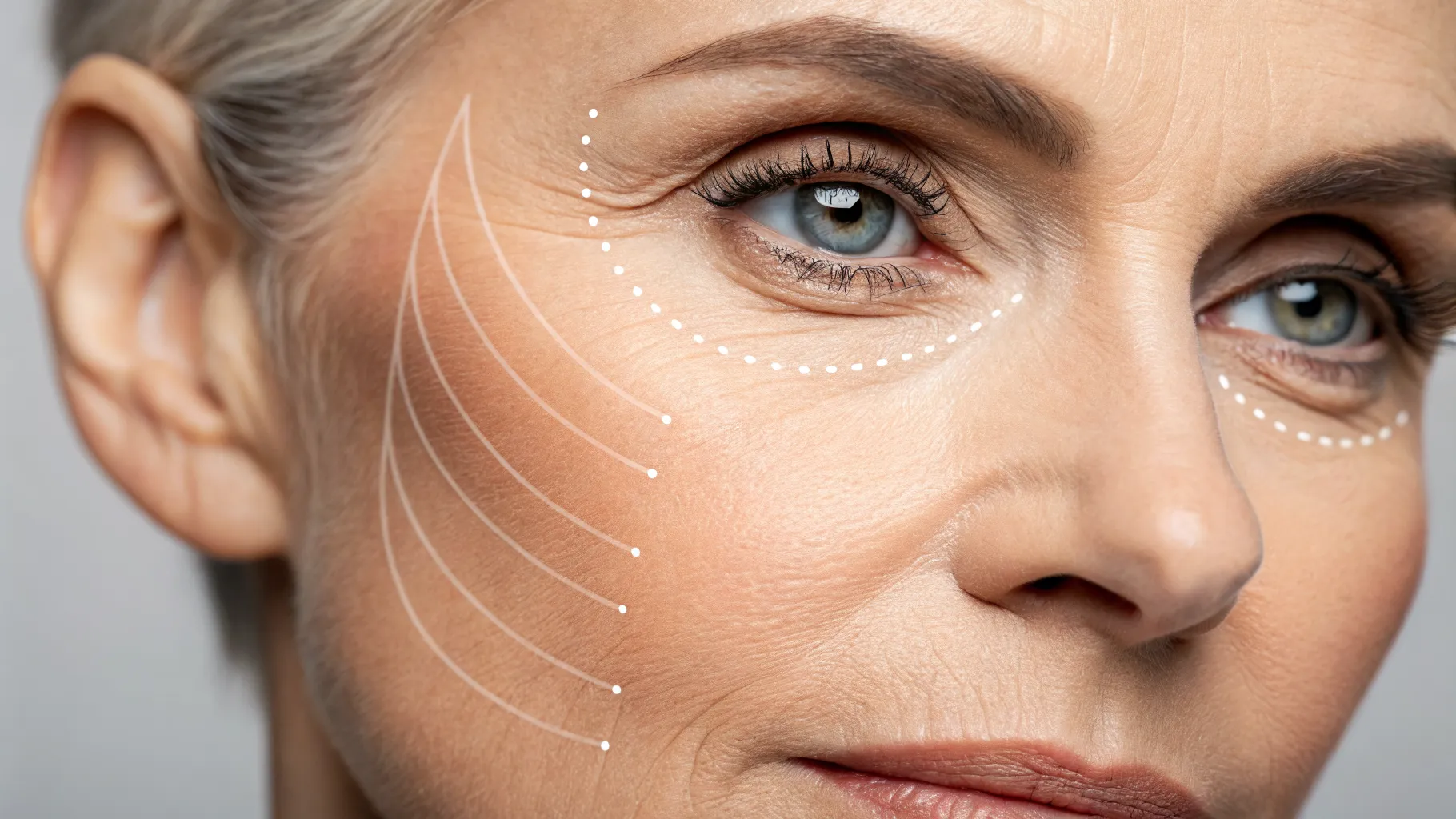
Laser Treatment Approaches for Under-Eye Bags
Laser eye bag removal stands out as a sophisticated, minimally invasive option for addressing under-eye bags and associated concerns like fine lines and skin laxity. This category primarily includes fractional CO2 lasers and erbium lasers, which work by targeting the water molecules in the skin, creating controlled micro-injuries. These micro-injuries stimulate the body's natural healing process, leading to new collagen production and skin tightening. The precision of laser technology allows for targeted treatment without damaging surrounding tissues, making it a favored choice for many seeking a refined and smoother under-eye area. The effectiveness of laser eye bag removal largely depends on the specific type of laser used, the individual's skin condition, and the expertise of the practitioner.
How Laser Therapy Works for Under-Eye Rejuvenation
The mechanism behind effective laser eye bag removal involves thermal energy delivery to the deeper layers of the skin. Fractional lasers, for instance, create microscopic columns of thermal injury, leaving healthy tissue untouched between the treated areas. This fractional approach promotes faster healing and reduces downtime compared to traditional ablative lasers. As the skin heals, it remodels, resulting in a noticeable reduction in puffiness under eyes, improved skin texture, and a tighter, more youthful appearance. For some, the heat generated also helps to coagulate tiny blood vessels, which can contribute to the appearance of dark circles under eyes, offering a dual benefit. Multiple sessions are often recommended for optimal results, spaced several weeks apart to allow for complete healing and collagen regeneration.
Benefits and Considerations of Laser Eye Bag Removal
The advantages of choosing laser eye bag removal are numerous. Patients often experience significant improvements in skin firmness, a reduction in the appearance of bags, and a more even skin tone. Compared to surgical options, laser treatments typically involve less downtime, no incisions, and a lower risk of scarring. However, it's crucial to consider that results are not immediate and progressively improve over several months. Potential side effects can include temporary redness, swelling, and mild discomfort, which usually subside within a few days to a week. The cost of laser eye bag removal can also vary widely depending on the number of sessions required and the technology used. A thorough consultation with a qualified dermatologist or plastic surgeon is essential to determine if laser therapy is the most suitable option for your specific type of under-eye bags and skin concerns.
Alternative Solutions for Under-Eye Bags
While laser eye bag removal offers compelling benefits, a range of other methods provides effective solutions for tackling under-eye bags and related issues. These alternatives can be broadly categorized into surgical, injectable, and topical/lifestyle approaches, each with its unique profile of efficacy, invasiveness, and recovery. Understanding these options is key to appreciating the full spectrum of available cosmetic procedures for periorbital rejuvenation. The choice often depends on the severity of the bags, the underlying cause, patient preference for invasiveness, and budget.
Surgical Blepharoplasty: The Gold Standard
For individuals with significant fat prolapse and excess skin contributing to prominent under-eye bags, lower blepharoplasty remains the gold standard. This surgical procedure, often referred to as eyelid surgery, involves making an incision either along the lash line (transcutaneous) or inside the lower eyelid (transconjunctival) to remove or reposition fat and, if necessary, trim excess skin. The primary goal is to create a smoother, firmer contour beneath the eyes. While highly effective and often providing long-lasting results, blepharoplasty is a more invasive procedure with a longer recovery period, typically involving swelling, bruising, and discomfort for several weeks. Risks include infection, asymmetry, and potential changes in eyelid shape. Despite its invasiveness, for severe cases, it offers the most dramatic and permanent solution for under-eye bags.
Injectable Treatments: Dermal Fillers and PRP
For those whose under-eye bags are primarily due to volume loss in the tear trough area, creating a hollow effect that accentuates puffiness, injectable treatments like dermal fillers are an excellent non-surgical eye bag removal option. Hyaluronic acid fillers (e.g., Juvéderm, Restylane) can be carefully injected into the tear trough to smooth out the transition between the lower eyelid and the cheek, reducing the shadow and minimizing the appearance of bags. Results are immediate and can last 6-18 months. Platelet-Rich Plasma (PRP) therapy, which uses the patient's own growth factors, is another injectable method that aims to rejuvenate the skin and improve texture, potentially reducing the visibility of dark circles under eyes and mild puffiness under eyes over time. Both methods require a skilled injector to achieve natural-looking results and avoid complications such as lumps or bruising.
Topical Solutions and Lifestyle Modifications
For mild under-eye bags or as a complementary approach to more invasive treatments, topical creams and serums can offer some relief. Ingredients like caffeine, retinol, hyaluronic acid, and peptides are often found in products designed to reduce puffiness, hydrate the skin, and stimulate collagen. While these won't eliminate severe bags, they can improve overall skin quality and temporarily minimize their appearance. Lifestyle modifications are also critical; ensuring adequate sleep, staying hydrated, reducing sodium intake, avoiding alcohol, and managing allergies can significantly lessen the severity of under-eye bags. Protecting the delicate under-eye skin from sun damage with daily SPF is also vital for long-term skin health and preventing premature aging that can exacerbate bag formation.
Deciding Between Laser and Other Methods
Choosing the optimal under-eye bag removal options requires careful consideration of various factors, including the underlying cause of your bags, desired results, tolerance for downtime, and financial investment. Both laser eye bag removal and other methods, such as blepharoplasty or fillers, offer distinct advantages and disadvantages. For individuals with mild to moderate bags, fine lines, and skin laxity, laser therapy can provide significant improvement with minimal invasiveness. It’s particularly effective for those seeking gradual, natural-looking rejuvenation and who can commit to multiple sessions.
Conversely, if your under-eye bags are primarily caused by prominent fat pads and significant excess skin, surgical blepharoplasty might be the more effective and longer-lasting solution. While it involves a more extensive recovery, the results are typically more dramatic. For hollowing or shadowing that creates the illusion of bags, tear trough fillers offer an immediate and less invasive fix. Ultimately, a personalized consultation with an experienced practitioner is paramount. They can assess your specific condition, discuss your aesthetic goals, and recommend the most appropriate treatment plan, potentially combining different cosmetic procedures for comprehensive results.
Post-Treatment Care and Expectations for Under-Eye Rejuvenation
Regardless of the chosen under-eye bag removal options, proper post-treatment care is crucial for optimizing results and minimizing complications. Adhering to your practitioner's instructions is paramount. For laser eye bag removal, this typically involves diligent sun protection, gentle skincare, and keeping the treated area hydrated. Patients should expect some redness and swelling, which usually subsides within a week. For surgical procedures like blepharoplasty, recovery involves managing swelling and bruising, often with cold compresses, and avoiding strenuous activities. Regular follow-up appointments allow the practitioner to monitor healing and address any concerns.
Setting realistic expectations is also key. While these treatments can dramatically improve the appearance of under-eye bags, they do not halt the aging process entirely. Maintaining a healthy lifestyle, consistent skincare, and protecting your eyes from environmental damage will help prolong the results. Some individuals may benefit from maintenance treatments, such as touch-up filler injections or periodic laser sessions, to sustain their refreshed appearance. Understanding the journey from treatment to full recovery and long-term maintenance ensures a satisfying outcome for anyone undergoing under-eye bag removal.
Frequently Asked Questions
Is laser eye bag removal painful?
Most patients report minimal discomfort during laser eye bag removal, often describing it as a snapping or rubber band sensation. Topical numbing cream is typically applied before the procedure to enhance comfort. Post-procedure, mild soreness or a sunburn-like feeling may be experienced, which can be managed with over-the-counter pain relievers.
How long do the results of tear trough fillers last?
The longevity of tear trough fillers varies depending on the type of filler used and individual metabolism, but typically results last between 6 to 18 months. Hyaluronic acid fillers are gradually absorbed by the body. To maintain the effect, touch-up sessions are usually recommended as the filler starts to dissipate.
Can lifestyle changes completely eliminate severe under-eye bags?
While lifestyle changes such as adequate sleep, hydration, and a healthy diet can significantly improve mild under-eye bags and contribute to overall skin health, they are generally not sufficient to completely eliminate severe bags caused by genetic predisposition, significant fat prolapse, or substantial skin laxity. In such cases, professional under-eye bag removal options like laser treatment or surgery are usually required for noticeable and lasting improvement.
References
- American Academy of Ophthalmology. (2023). Blepharoplasty.
- Journal of Cosmetic Dermatology. (2022). Laser Resurfacing for Periorbital Rejuvenation.
- Plastic and Reconstructive Surgery Global Open. (2024). Dermal Fillers for Periorbital Rejuvenation: A Review.
- Mayo Clinic. (2023). Eye bags.
- American Society of Plastic Surgeons. (2023). Under Eye Bags Treatment.
Authored by 24Trendz team