The Ultimate Guide to Choosing the Perfect Pergola Kit for Your Garden
Facts:
- Pergola kits can increase property value by up to 12%.
- A growing trend for garden owners is integrating smart lighting into kits.
Transform Your Backyard into a Stunning Retreat with a Pergola Kit
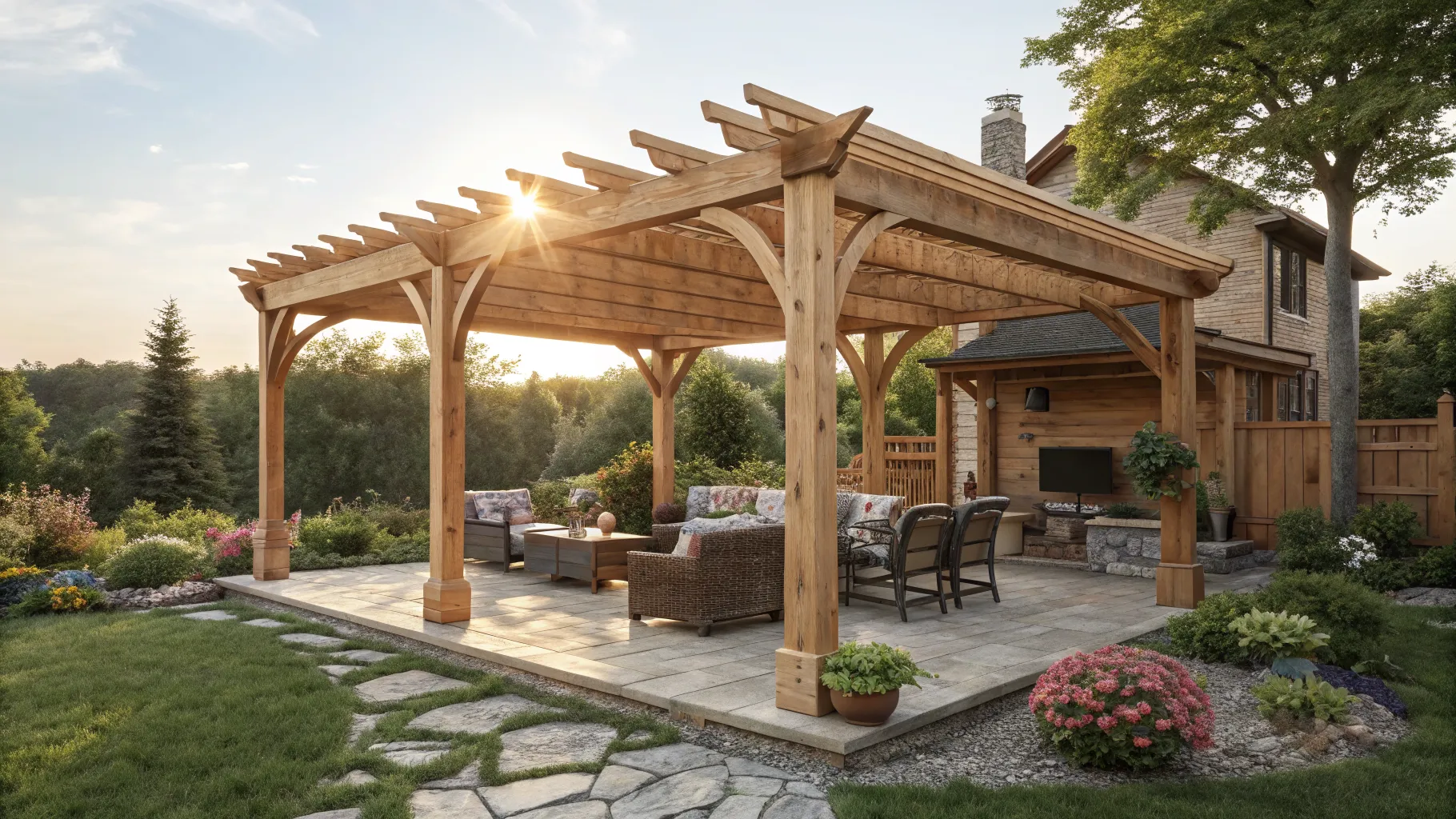
A well-chosen pergola kit for the garden can completely redefine your backyard, turning an underutilized area into a stunning and functional outdoor living space. These kits provide an elegant architectural element while offering shade and a designated area for relaxation or entertainment. Unlike building from scratch, a kit simplifies the process, providing all the necessary pre-cut and pre-drilled components. This makes it an accessible project for most homeowners looking to enhance their property with a beautiful garden structure that serves as both a focal point and a practical extension of their home.
What to Consider Before Buying a DIY Pergola Kit
Before you purchase a DIY pergola, it's crucial to assess your needs and space. First, measure the area in your garden where you plan to install the structure. Consider the path of the sun throughout the day to determine the optimal placement for shade. Think about the primary function of your pergola. Will it be a shaded spot for a dining table, a cozy nook for reading, or a support for climbing plants? The intended use will influence the size and design you choose. Additionally, check local building codes or homeowner association regulations, as some areas may have restrictions on the size and height of any new garden structure. Budget is also a key factor, as prices can vary widely based on material and complexity.
Choosing the Right Material: Wood, Vinyl, or Metal
The material of your pergola kit impacts its appearance, durability, and maintenance requirements. A wooden pergola kit, often made from cedar, pine, or redwood, offers a classic, natural look that blends beautifully with garden landscapes. Wood requires regular maintenance, such as staining or sealing, to protect it from weather and pests. Vinyl pergolas are a low-maintenance alternative. They are resistant to rot, insects, and fading, and only require occasional cleaning. However, they may lack the authentic charm of wood. Metal pergolas, typically made from aluminum or steel, provide a modern, sleek aesthetic and are extremely durable and strong. They are often used to create a sturdy patio cover and can support heavier elements like retractable canopies. Your choice will depend on your desired style, climate, and willingness to perform upkeep.
Step-by-Step Assembly Guide for Your Garden Pergola
Assembling a DIY pergola is a manageable project, but it requires careful planning and at least two people for safety. The process generally involves setting the foundation, assembling the frame, and securing the structure. Following these steps ensures a smooth installation of your new outdoor living space.
- Prepare the Site: Clear and level the ground where the pergola will be installed. Mark the locations for the posts accurately according to the kit's instructions. Ensure the area is square by measuring the diagonals.
- Set the Posts: Secure the main support posts. This is the most critical step for stability. You can anchor them to an existing concrete patio using post brackets or set them in concrete footings for maximum strength. Make sure each post is perfectly plumb.
- Assemble the Beams and Rafters: With the posts securely in place, attach the main support beams. Once the beams are level and secure, you can install the rafters across the top. Most kits use notched joinery and provide all the necessary hardware, making this step straightforward.
- Add Finishing Touches: Install any additional components, such as decorative post caps, lattice panels, or a canopy. Once assembly is complete, perform a final check on all hardware to ensure everything is tight and secure. Your new patio cover is now ready to be enjoyed.
Styling Your New Outdoor Living Space
Once your pergola is built, the fun part begins: personalization. You can transform your new garden structure into a personalized oasis. Consider training climbing plants like wisteria, jasmine, or climbing roses to grow up the posts and over the rafters for a romantic, natural canopy. Outdoor string lights or integrated LED lighting can create a magical ambiance for evening gatherings. Furnish the space with comfortable seating, an outdoor rug, and a table to create a true extension of your home. Adding outdoor curtains or shades can provide extra privacy and protection from the sun, turning your pergola into the ultimate outdoor living space.
Maintenance Tips to Keep Your Pergola Looking Great
Proper maintenance will ensure your pergola kit for the garden lasts for years to come. For a wooden pergola kit, inspect it annually for any signs of wear, rot, or insect damage. Clean it with a mild detergent and water, and reapply a sealant or stain every two to three years to protect the wood. For vinyl or metal pergolas, a simple wash with soap and water is usually sufficient to remove dirt and grime. Regularly check that all bolts and screws are tight, as they can loosen over time. Keeping the area around the base of the posts clear of debris and standing water will also help preserve the integrity of your garden structure.
Frequently Asked Questions
How long does it take to assemble a DIY pergola?
Assembly time for a DIY pergola can vary depending on the kit's complexity, your skill level, and whether you have help. On average, a standard kit can be assembled by two people in a single weekend. It's important to read the instructions thoroughly before starting.
Can a pergola kit be used as a patio cover?
Yes, a pergola kit is an excellent option for a patio cover. While traditional pergolas offer partial shade through their rafters, many kits are designed to accommodate retractable canopies or polycarbonate panels for more complete protection from sun and rain.
What is the best material for a wooden pergola kit?
The best material for a wooden pergola kit is typically a naturally rot-resistant and insect-resistant wood like cedar or redwood. These woods are durable, beautiful, and hold up well in outdoor conditions, ensuring your investment lasts for a long time.
References
- The Complete Guide to Outdoor Structures
- Backyard Landscaping and Design Principles
- DIY Home Improvement Weekly Journal
- Architectural Digest: Outdoor Living Trends
Authored by 24Trendz team