The Ultimate Guide to the Top Infrared Saunas for Home Use
Facts:
- Infrared saunas operate at lower temperatures than traditional saunas.
- A growing trend is integrating chromotherapy into home sauna therapy.
Choosing Your Personal Wellness Sanctuary: A Guide to Infrared Saunas
Investing in an infrared sauna for your home is more than just a luxury purchase; it's a commitment to your long-term health and well-being. Unlike traditional saunas that heat the air around you, infrared technology uses specific wavelengths of light to heat your body directly, providing a deeper, more therapeutic sweat at a lower, more comfortable temperature. This makes the experience more accessible for many people and unlocks a host of benefits, from detoxification to muscle recovery. The market for a home sauna has expanded significantly, offering a range of options from compact one-person units to spacious models perfect for the whole family. Understanding the different types, features, and benefits is the first step toward creating your personal wellness retreat right in your own home.
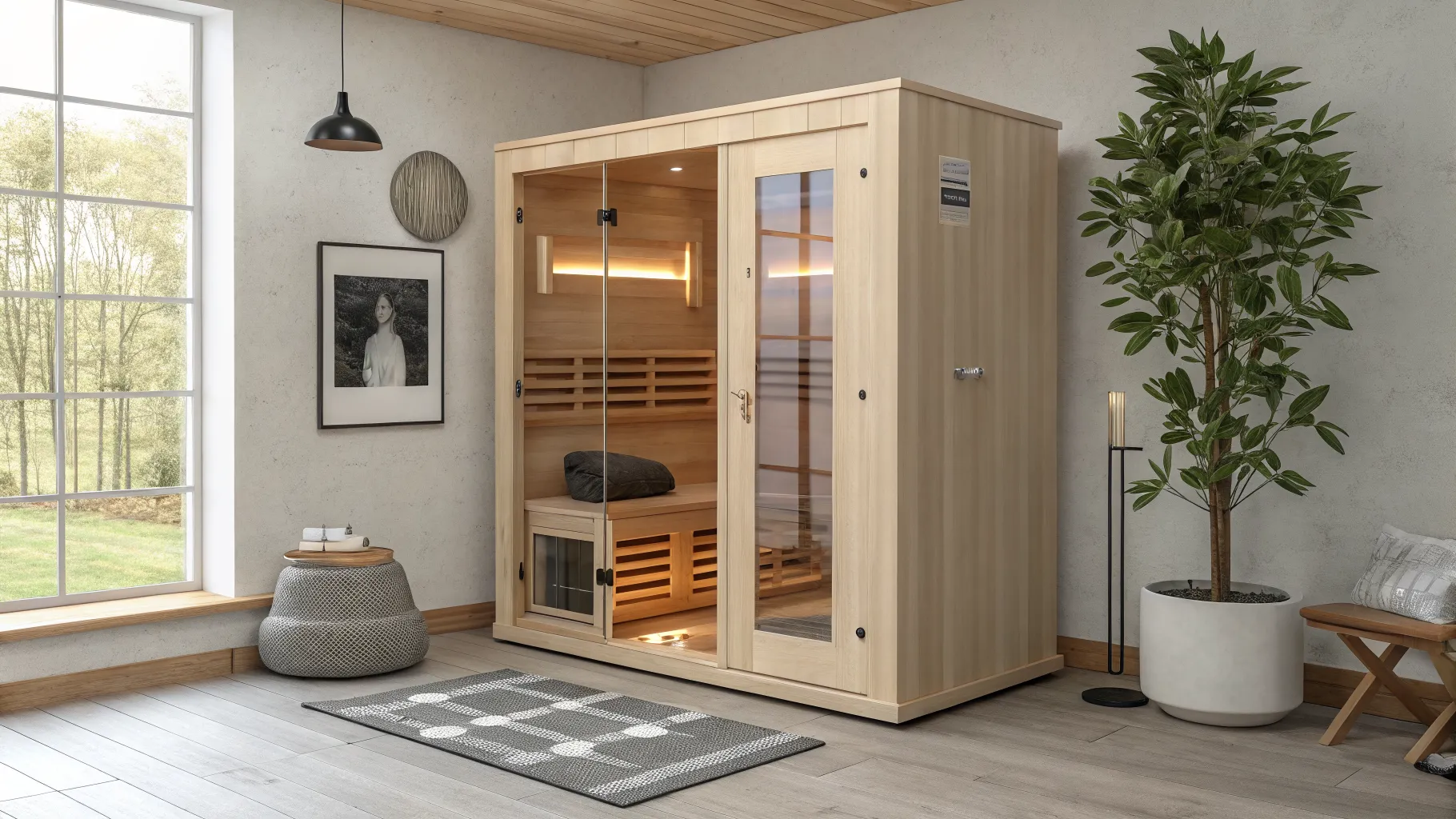
What Distinguishes a Far Infrared Sauna from Traditional Models?
The primary difference lies in the heating method. A traditional Finnish sauna uses a stove to heat rocks, which in turn heat the air to temperatures often exceeding 180°F (82°C). You experience the heat indirectly from the superheated air. In contrast, a far infrared sauna uses carbon or ceramic heaters to emit infrared light. This light penetrates the skin and raises your core body temperature directly. The result is a more efficient and targeted heating process. Many users find the ambient temperature of 120°F to 150°F (49°C to 66°C) in an infrared sauna much more tolerable, allowing for longer, more comfortable sessions. This direct heating also promotes a sweat that is said to contain a higher concentration of toxins compared to the sweat produced in a traditional sauna, enhancing the detoxification benefits.
Key Features to Consider Before Buying a Home Sauna
When selecting the perfect home sauna, several features can significantly impact your experience. First, consider the type of heaters. Carbon heaters offer a wider surface area for more even heat distribution, while ceramic heaters can produce a more intense heat in a targeted area. Many premium models now offer a full spectrum sauna experience, combining near, mid, and far-infrared wavelengths, each with unique health benefits. The type of wood is also crucial; common options like hemlock, cedar, and basswood are chosen for their durability, heat resistance, and low scent. Also, check for EMF (electromagnetic fields) levels. Reputable brands will provide third-party testing results to show they produce low or ultra-low EMF levels, ensuring a safer experience. Finally, consider size, warranty, and extra features like Bluetooth speakers, chromotherapy lighting, and ergonomic seating.
Our Top Picks for Infrared Saunas
Navigating the market can be overwhelming, so we've highlighted some top contenders known for their quality, performance, and features. These models exemplify the best in modern sauna therapy for home use.
The Compact Solo Retreat
Ideal for small spaces and individual use, these one-person saunas provide all the benefits without a large footprint. They often feature efficient carbon heaters for even heating and are designed for easy assembly. Look for models constructed from non-toxic materials like Canadian hemlock wood. A compact infrared sauna is a perfect entry point into the world of at-home wellness, fitting easily into an apartment, a master bathroom, or a home gym.
The Family-Sized Wellness Hub
For those looking to share the experience, three or four-person saunas offer ample space and powerful heating systems. These larger units often come equipped with premium features, such as full spectrum sauna heaters, integrated sound systems, and advanced chromotherapy. They are built to be a centerpiece of a home wellness area, using beautiful woods like red cedar for its aromatic and durable properties.
The High-Tech Full Spectrum Sauna
For the ultimate therapeutic experience, a full spectrum sauna is the top choice. These saunas combine near, mid, and far-infrared wavelengths to target different health concerns. Near-infrared is known for skin rejuvenation and wound healing, mid-infrared helps with pain relief and circulation, and far-infrared is excellent for detoxification and relaxation. These technologically advanced models represent the pinnacle of home sauna technology.
Unlocking Health Benefits with Regular Sauna Therapy
Consistent use of an infrared sauna can lead to profound health improvements. The deep, penetrating heat helps to relax muscles, alleviate joint pain from conditions like arthritis, and improve circulation. This enhanced blood flow can accelerate recovery after workouts and promote overall cardiovascular health. Furthermore, the induced sweating is a powerful way for the body to flush out toxins. Many users also report significant stress reduction, improved sleep quality, and clearer skin. Regular sauna therapy is a proactive way to support your body's natural healing processes and maintain a state of balance and vitality.
Installation and Maintenance Tips for Your Infrared Sauna
Most modern home saunas are designed for easy assembly, often requiring just two people and a few hours. They typically come in pre-fabricated panels that snap together. It's crucial to place your sauna on a level, solid surface in a dry, indoor location. Maintenance is surprisingly simple. After each session, it's good practice to wipe down the benches with a clean, damp cloth to remove sweat. Avoid using harsh chemical cleaners, as the wood can absorb them. A light sanding once a year can refresh the wood's surface. By following these simple steps, you can ensure your home sauna remains a clean, beautiful, and effective wellness tool for years to come.
Frequently Asked Questions
How often should I use my infrared sauna?
For most people, using an infrared sauna 3-4 times per week for 20-30 minutes per session is a great starting point. It's important to listen to your body and stay hydrated before, during, and after each session.
Is a full spectrum sauna worth the extra cost?
If you are seeking targeted health benefits beyond general detoxification and relaxation, a full spectrum sauna can be a worthwhile investment. The combination of near, mid, and far-infrared wavelengths offers a more comprehensive therapeutic experience.
What is the difference between carbon and ceramic heaters in a home sauna?
Carbon heaters have a larger surface area and produce a more evenly distributed, lower-temperature infrared heat. Ceramic heaters are smaller, heat up faster, and produce a more intense, direct heat. Many high-end models use a combination of both to maximize the benefits.
References
- Journal of Environmental and Public Health: Sauna Use and Health Outcomes
- Infrared Sauna Technology and Clinical Applications Review
- Consumer Reports: Home Wellness Appliance Guide
- Studies on the Therapeutic Effects of Far Infrared Radiation
Authored by 24Trendz team