Robotic Lawn Mower: Your Ultimate Guide to Smart Lawn Care
Facts:
- Modern models can handle slopes up to 35 degrees.
- A growing trend for eco-friendly smart lawn care.
How a Robotic Lawn Mower Revolutionizes Yard Work
The days of spending your sunny weekends pushing a heavy, noisy mower are fading into the past. The future of yard care has arrived in the form of the Robotic Lawn Mower, a sophisticated device designed to provide a perfectly manicured lawn with minimal human intervention. This technology isn't just about convenience; it's a complete shift towards efficient and effective automated lawn maintenance. By employing advanced navigation systems and cutting technologies, an autonomous mower works quietly and consistently, ensuring your grass is always at an optimal height, leading to a healthier, greener, and more resilient turf. This guide will explore everything you need to know about embracing this revolutionary approach to lawn care.
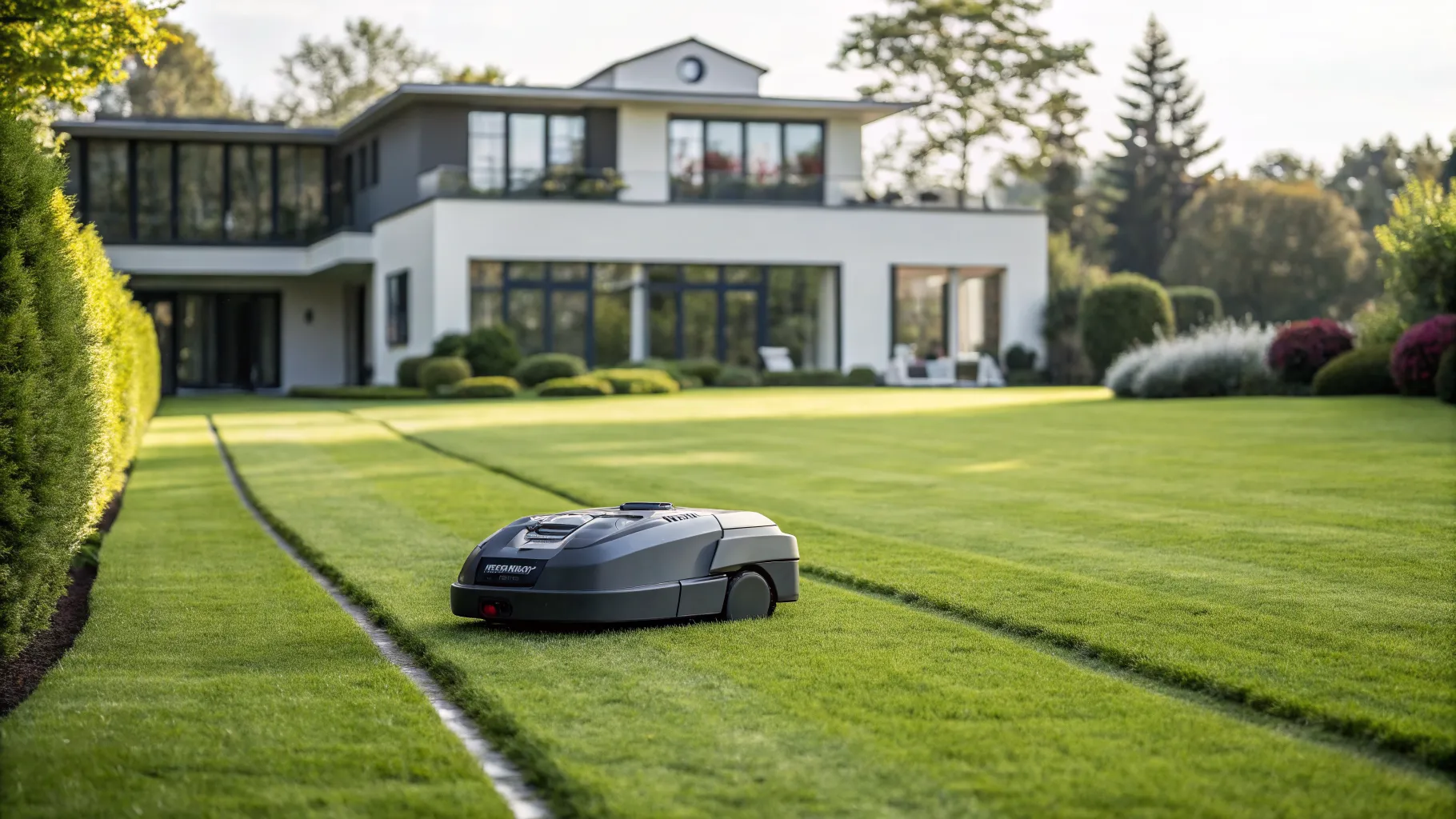
Core Features of an Advanced Autonomous Mower
When selecting a Robotic Lawn Mower, understanding its core features is crucial to finding the perfect match for your property. These machines are packed with technology designed for performance and safety. The navigation system is paramount; most models use a boundary wire to define the mowing area, but increasingly, a GPS lawn mower offers wire-free installation and more efficient mowing patterns for complex yards. Battery life and charging are also key considerations. Look for models with lithium-ion batteries that offer long run times and feature automatic recharging, where the mower returns to its base when the battery is low. The cutting mechanism, typically consisting of several small, razor-sharp blades, provides a clean cut that is healthier for the grass than the tearing action of traditional mowers. This method of frequent, small cuts, known as mulching, returns fine clippings to the soil, acting as a natural fertilizer. This contributes significantly to an effective smart lawn care routine.
The Advantage of a GPS Lawn Mower
While traditional robotic mowers rely on perimeter wires, the advent of the GPS lawn mower has introduced a new level of precision and convenience to automated lawn maintenance. These advanced models use GPS and other sensors to create a virtual map of your lawn. This allows them to mow in systematic, parallel lines, ensuring every inch of your yard is covered efficiently without random bumping and turning. This structured approach is not only faster but also results in a more professional-looking finish. Furthermore, GPS technology enhances security. If the autonomous mower is lifted or moved outside its designated area, an alarm can sound, and the owner can be notified via a smartphone app, with the ability to track its location. This makes the GPS lawn mower an excellent investment for larger or more complex properties where efficiency and security are top priorities.
Comparing Robotic vs. Traditional Mowing
The debate between a Robotic Lawn Mower and a traditional push or riding mower comes down to several factors: time, lawn health, and long-term cost. A traditional mower requires a significant weekly time commitment. In contrast, an autonomous mower handles the work for you, freeing up hours every month. In terms of lawn health, the frequent, small cuts from a robotic mower are far superior. This mulching process promotes a healthier root system and reduces the need for chemical fertilizers, a cornerstone of sustainable smart lawn care. While the initial investment for a Robotic Lawn Mower is higher, the long-term savings on fuel, maintenance, and lawn treatments, combined with the immense value of your reclaimed free time, often make it the more economical choice over the lifespan of the machine. The consistent performance of automated lawn maintenance simply delivers results that are difficult to replicate manually.
Actionable Steps for Perfect Automated Lawn Maintenance
Getting started with a Robotic Lawn Mower is a straightforward process that sets you up for seasons of effortless lawn care. Proper setup is key to unlocking the full potential of your device. By following these steps, you can ensure your autonomous mower operates at peak efficiency.
- Perimeter Wire Installation: Carefully lay the boundary wire around the perimeter of your lawn and any obstacles like flower beds or ponds. This wire creates the invisible fence that guides your mower. For a GPS lawn mower, this step is often replaced by a virtual mapping process using an app.
- Charging Station Placement: Position the charging dock on a flat surface near an outdoor power outlet. It should have clear access for the mower to return and dock automatically. This is the heart of your automated lawn maintenance system.
- Scheduling and Settings: Use the companion smartphone app to set a mowing schedule that works for you. You can customize mowing times, days, and cutting height to perfectly suit your grass type and growth rate, fully realizing your smart lawn care system.
- Regular Maintenance Checks: While largely self-sufficient, a quick check-up is beneficial. Regularly clean the underside of the mower to remove grass buildup and inspect the blades, replacing them when they become dull to ensure a clean cut.
Embracing the Future with Smart Lawn Care
Adopting a Robotic Lawn Mower is more than just buying a new gadget; it's about investing in a lifestyle. It's about prioritizing your time, improving the health and appearance of your property, and embracing a smarter, more efficient way to manage home tasks. The technology behind the autonomous mower is constantly evolving, with new features like AI-powered obstacle avoidance and enhanced weather sensing becoming standard. This continuous innovation ensures that automated lawn maintenance will only get easier and more effective. By making the switch, you are not just maintaining your lawn; you are upgrading your entire home ecosystem and stepping into the future of smart lawn care. The result is a consistently beautiful lawn and more time to enjoy it.
Frequently Asked Questions
How does a Robotic Lawn Mower handle rain and obstacles?
Most modern Robotic Lawn Mower units are equipped with rain sensors and will automatically return to their charging station when it starts to rain, resuming once conditions improve. For obstacles, they use bump sensors to detect objects like trees or garden furniture, causing them to stop, turn, and continue in a different direction. This is a key feature of reliable automated lawn maintenance.
Is a GPS lawn mower difficult to set up?
No, a GPS lawn mower is often easier to set up than wire-based models. The setup typically involves using a smartphone app to walk the perimeter of your lawn to create a virtual boundary, eliminating the physical labor of burying a wire. This makes it a very user-friendly form of smart lawn care.
Can an autonomous mower handle complex lawn shapes?
Absolutely. An autonomous mower is designed to handle irregular shapes, narrow passages, and multiple lawn zones. Models with advanced navigation, especially a GPS lawn mower, excel in complex environments, ensuring comprehensive coverage where traditional mowers might struggle.
How often do the blades on a Robotic Lawn Mower need to be replaced?
Blade life varies by model and usage, but typically the small, razor-like blades should be replaced every 1-3 months to ensure a clean, healthy cut. This is a simple and inexpensive maintenance task that is vital for effective smart lawn care.
References
- Journal of Horticultural Automation
- Consumer Reports on Outdoor Power Equipment
- Smart Home Technology Review Annual
- Turf Management Science Digest
Authored by 24Trendz team