Top 15 Oncology Centers in the US: Leading Cancer Care Institutions
Facts:
- Cancer is a leading cause of death globally, requiring specialized care.
- Advanced personalized medicine is revolutionizing cancer treatment for patients.
Navigating the Landscape of Elite Oncology Care in the United States
Choosing the right institution for cancer treatment is one of the most critical decisions a patient and their family will ever make. The United States is home to many of the world's most advanced oncology centers, offering cutting-edge therapies, groundbreaking research, and comprehensive patient support. These leading oncology institutions are at the forefront of medical innovation, providing specialized care for a wide range of cancers. This guide illuminates the top 15 centers, highlighting their unique strengths and contributions to the field of cancer care.
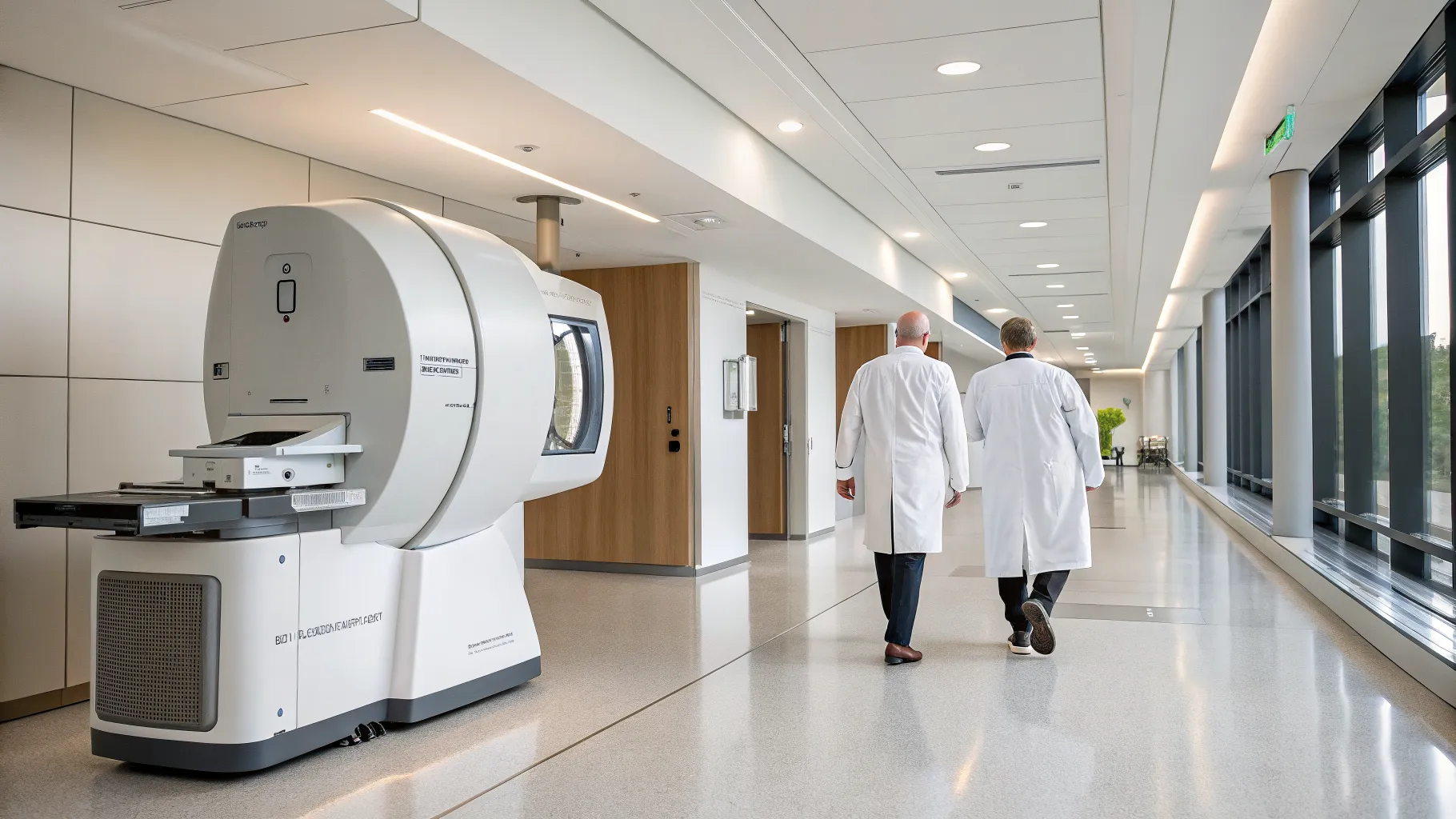
1. Memorial Sloan Kettering Cancer Center (New York, NY)
Renowned globally, Memorial Sloan Kettering (MSK) consistently ranks among the premier oncology centers. It is a dedicated institution focusing exclusively on cancer, from research to advanced clinical care. MSK is particularly known for its pioneering work in targeted therapies, immunotherapy, and bone marrow transplantation. Their multidisciplinary teams ensure comprehensive and personalized cancer treatment plans for each patient, making them a cornerstone of modern cancer care.
2. MD Anderson Cancer Center (Houston, TX)
The University of Texas MD Anderson Cancer Center is one of the original three comprehensive cancer centers in the United States. Its massive scale and extensive research programs contribute significantly to understanding and treating cancer. MD Anderson excels in clinical trials, offering patients access to novel therapies before they are widely available. Their commitment to research and patient-centered care solidifies its position as one of the top leading oncology institutions for complex cases.
3. Mayo Clinic (Rochester, MN)
The Mayo Clinic, with its integrated approach to healthcare, provides exceptional cancer treatment across its campuses. Its comprehensive cancer center is celebrated for its collaborative model, where specialists from various disciplines work together to diagnose and treat complex cancers. The Mayo Clinic's strength lies in its patient-focused care, emphasis on research, and ability to handle rare and challenging cancer types, embodying excellence in cancer care.
4. Dana-Farber Cancer Institute (Boston, MA)
Affiliated with Harvard Medical School, Dana-Farber is a world leader in cancer research and treatment. It combines cutting-edge laboratory research with compassionate patient care. Dana-Farber is especially noted for its advancements in pediatric oncology, breast cancer, and blood cancers. Their innovative clinical trials and commitment to scientific discovery make it a vital player among top hospitals specializing in oncology.
5. Cleveland Clinic (Cleveland, OH)
The Taussig Cancer Institute at Cleveland Clinic offers a holistic and integrated approach to cancer treatment. Utilizing the latest technology and evidence-based medicine, they provide advanced care for all cancer types. Their team of experts focuses on personalized treatment plans, combining surgery, radiation, chemotherapy, and supportive therapies. Cleveland Clinic's reputation for quality and patient outcomes places it firmly among the leading oncology centers.
6. Johns Hopkins Hospital (Baltimore, MD)
The Sidney Kimmel Comprehensive Cancer Center at Johns Hopkins is a hub of innovation and discovery. Known for its historical contributions to medicine, Johns Hopkins continues to push the boundaries in cancer research and therapy. Their specialists are involved in pioneering work, particularly in areas like pancreatic cancer and glioblastoma. This institution's blend of research intensity and clinical excellence makes it a premier destination for specialized cancer care.
7. UCSF Helen Diller Family Comprehensive Cancer Center (San Francisco, CA)
UCSF's Helen Diller Family Comprehensive Cancer Center is recognized for its excellence in patient care, research, and education. It's particularly strong in areas like neuro-oncology, gastrointestinal cancers, and precision medicine. The center's multidisciplinary teams leverage the latest scientific discoveries to develop highly individualized cancer treatment strategies, ensuring patients receive the most advanced and effective care available at one of the distinguished oncology centers.
8. UCLA Jonsson Comprehensive Cancer Center (Los Angeles, CA)
The UCLA Jonsson Comprehensive Cancer Center is a leader in cancer research, prevention, and education. With over 500 scientists and clinicians, it boasts a robust portfolio of clinical trials and innovative therapies. UCLA is particularly known for its work in immunotherapy, gene therapy, and prostate cancer research. Its dedication to advancing knowledge and providing superior cancer treatment places it among the nation's top leading oncology institutions.
9. Northwestern Medicine Robert H. Lurie Comprehensive Cancer Center (Chicago, IL)
As one of the leading academic medical centers, Northwestern Medicine's Lurie Cancer Center provides outstanding cancer care and conducts groundbreaking research. They specialize in a wide array of cancers, offering state-of-the-art treatments including proton therapy and advanced surgical techniques. The center's patient-centric approach ensures comprehensive support throughout the cancer treatment journey, solidifying its place among the best oncology centers.
10. Hospitals of the University of Pennsylvania-Penn Presbyterian (Philadelphia, PA)
The Abramson Cancer Center at Penn Medicine is a world-renowned institution for cancer treatment and research. It is known for its pioneering work in CAR T-cell therapy and immunotherapy. Penn Medicine's integrated network allows for seamless coordination of care, offering advanced treatments for all cancer types. Their commitment to innovation and personalized medicine makes them a top choice for patients seeking advanced cancer care.
11. Seattle Cancer Care Alliance (Seattle, WA)
The Seattle Cancer Care Alliance (SCCA) brings together the leading minds from Fred Hutchinson Cancer Research Center, UW Medicine, and Seattle Children's. This collaborative model creates a powerhouse for cancer research and treatment, particularly in blood cancers and bone marrow transplantation. SCCA's patient-focused care and access to revolutionary clinical trials underscore its reputation as a premier destination for complex cancer treatment and one of the respected leading oncology institutions.
12. Stanford Health Care-Stanford Hospital (Stanford, CA)
The Stanford Cancer Institute is at the forefront of cancer discovery and patient care, integrating research, prevention, and education. Stanford is known for its innovative approaches to targeted therapies, radiation oncology, and precision medicine. Their commitment to leveraging technology and scientific breakthroughs ensures patients receive highly personalized and effective cancer treatment plans, placing Stanford among the elite oncology centers.
13. Yale New Haven Hospital (New Haven, CT)
The Smilow Cancer Hospital at Yale New Haven offers comprehensive cancer care delivered by a team of specialists from Yale Cancer Center, Connecticut's only National Cancer Institute-designated Comprehensive Cancer Center. They excel in providing advanced treatments, participating in numerous clinical trials, and emphasizing multidisciplinary care. Yale's strong research foundation and dedication to patient well-being make it a key player in the landscape of advanced cancer treatment.
14. University of Michigan Health System (Ann Arbor, MI)
The Rogel Cancer Center at Michigan Medicine is renowned for its interdisciplinary approach to cancer treatment and research. It is particularly strong in areas like head and neck cancers, melanoma, and genetic counseling for cancer. The center's focus on translating research into clinical practice ensures that patients benefit from the latest scientific advancements, making it one of the trusted leading oncology institutions for comprehensive cancer care.
15. Barnes-Jewish Hospital (St. Louis, MO)
In affiliation with Washington University School of Medicine, the Siteman Cancer Center at Barnes-Jewish Hospital is a recognized leader in cancer research and care. They offer state-of-the-art diagnostic and treatment options, including proton therapy and advanced surgical techniques. Siteman's commitment to clinical excellence, research innovation, and patient support solidifies its position among the nation's top hospitals for specialized oncology centers.
Choosing the Right Oncology Center for Your Cancer Treatment Journey
Selecting an oncology center requires careful consideration of various factors to ensure the best possible outcome for your cancer treatment. It is important to look beyond national rankings and consider what specifically aligns with your individual needs and the type of cancer you are facing.
- Specialization and Expertise: Research centers that have a proven track record and specialized programs for your specific type of cancer. For instance, some leading oncology institutions might be renowned for blood cancers, while others excel in solid tumors. Understanding their area of expertise is crucial for optimal cancer care.
- Access to Clinical Trials: Many of the top hospitals for cancer offer access to groundbreaking clinical trials that provide innovative treatments not yet widely available. Inquiring about eligibility for such trials can open doors to new possibilities for cancer treatment, offering hope for difficult cases.
- Multidisciplinary Care Teams: The best oncology centers employ a multidisciplinary approach, meaning a team of specialists (oncologists, surgeons, radiation therapists, pathologists, support staff) collaborate on your case. This ensures a comprehensive and integrated cancer treatment plan, addressing all aspects of your health.
- Patient Support Services: Look for centers that offer extensive supportive care, including pain management, nutritional counseling, psychological support, and survivorship programs. Holistic support can significantly improve the quality of life during and after cancer treatment, a hallmark of excellent cancer care.
- Location and Logistics: While seeking the best care, the practicalities of travel, accommodation, and family support are important. Weigh the benefits of a distant, highly specialized center against the logistical challenges and consider how proximity impacts your overall well-being during intense cancer treatment.
- Second Opinions: Don't hesitate to seek a second opinion. Many leading oncology institutions encourage this, providing peace of mind and sometimes offering alternative or refined cancer treatment strategies. This is a standard practice in navigating complex medical decisions.
Frequently Asked Questions
What defines a leading oncology institution for cancer treatment?
A leading oncology institution is characterized by its comprehensive approach to cancer treatment, integrating cutting-edge research, advanced clinical trials, multidisciplinary care teams, and patient-centered support services. These institutions often pioneer new therapies and set standards for specialized cancer care, offering expertise for complex and rare cancers.
How important are clinical trials in modern cancer treatment?
Clinical trials are immensely important in modern cancer treatment as they represent the frontier of medical innovation. They offer patients access to new drugs, therapies, and procedures that are not yet widely available. Participation in clinical trials at oncology centers can provide advanced options, especially for cancers that have not responded to standard treatments, significantly advancing cancer care.
What should I consider when choosing an oncology center for personalized cancer care?
When choosing an oncology center for personalized cancer care, consider the institution's specific expertise in your cancer type, its approach to multidisciplinary treatment planning, and the availability of patient support services. Assess their research output, clinical trial offerings, and their commitment to advanced technologies like precision medicine. Personal compatibility with the care team and logistical factors like location also play a significant role in making an informed decision about your cancer treatment.
References
- National Cancer Institute. (n.d.). Comprehensive Cancer Centers.
- American Cancer Society. (n.d.). Understanding Cancer Treatment Options.
- World Health Organization. (n.d.). Cancer Prevention and Control.
Authored by 24Trendz team