Discovering the Top 15 Mental Health Facilities in the United States
Fast Facts:
- Mental health conditions affect millions in the US annually.
- Trends show increasing demand for specialized inpatient mental health care.
Navigating Excellence: Understanding Leading Mental Health Treatment Centers
Finding the right support for mental health challenges is paramount, and the United States boasts numerous exceptional mental health facilities dedicated to healing and recovery. This guide delves into the premier institutions offering advanced behavioral health services, providing comprehensive care tailored to individual needs. From cutting-edge therapies to compassionate environments, these facilities represent the pinnacle of mental health treatment centers, ensuring individuals receive the highest standard of care.
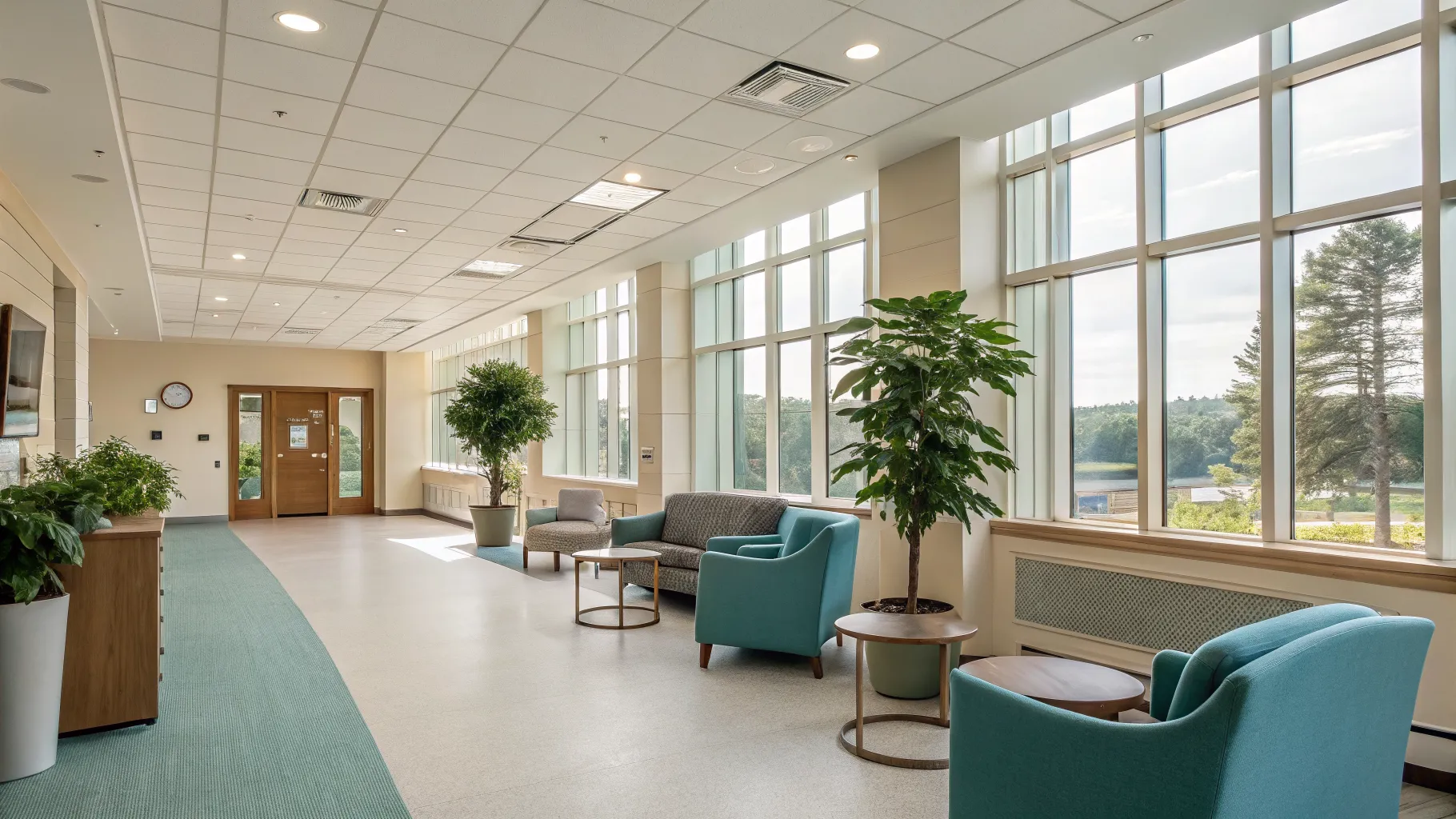
The Nation's Premier Mental Health Facilities: A Detailed Look
When seeking high-quality mental health care, understanding the diverse offerings of leading institutions is crucial. The following 15 top psychiatric hospitals and treatment centers are renowned for their excellence, innovative approaches, and commitment to patient well-being.
1. McLean Hospital (Belmont, MA)
McLean Hospital, affiliated with Harvard Medical School, is consistently ranked among the best mental health facilities globally. It specializes in treating a wide range of psychiatric illnesses, including mood disorders, anxiety disorders, and substance use disorders. Their approach integrates cutting-edge research with personalized, evidence-based treatments, offering both inpatient and residential programs. Patients benefit from a multidisciplinary team of experts dedicated to holistic recovery and long-term wellness planning.
2. The Menninger Clinic (Houston, TX)
The Menninger Clinic is a renowned institution recognized for its comprehensive diagnostic assessments and intensive inpatient psychiatric care. They focus on treating complex mental illnesses, personality disorders, and co-occurring substance use issues. Their therapeutic model emphasizes psychodynamic and cognitive behavioral therapies within a highly structured environment, guiding patients towards profound personal insight and lasting change in their behavioral health services journey.
3. NewYork-Presbyterian Hospital (New York, NY)
As part of a leading academic medical center, NewYork-Presbyterian Hospital offers extensive mental health treatment centers across various campuses. They provide specialized programs for adults, adolescents, and children, covering areas like depression, schizophrenia, and eating disorders. Their strength lies in integrating psychiatric care with general medical services, ensuring a holistic approach to patient health. The hospital is also a hub for groundbreaking research in neuropsychiatry.
4. Sheppard Pratt (Baltimore, MD)
Sheppard Pratt is one of the oldest and most respected providers of mental health, substance use, and special education services. Known for its continuum of care, it offers inpatient, residential, partial hospitalization, and outpatient programs. Their expertise spans a broad spectrum of conditions, with particular strengths in treating mood disorders, psychosis, and trauma. They are dedicated to delivering compassionate, recovery-oriented inpatient mental health care.
5. Austen Riggs Center (Stockbridge, MA)
The Austen Riggs Center provides an open, voluntary, psychodynamic residential treatment program for adults with complex psychiatric difficulties. Patients engage in intensive individual psychotherapy four times a week, combined with participation in the therapeutic community, expressive therapies, and meaningful work. This unique model fosters self-reflection and personal growth, making it a distinctive choice among mental health facilities.
6. Brattleboro Retreat (Brattleboro, VT)
The Brattleboro Retreat is a historic and highly regarded facility offering comprehensive mental health and addiction treatment. They provide specialized programs for adolescents, adults, and military service members, focusing on conditions such as trauma, mood disorders, and substance abuse. Their commitment to evidence-based practices and a supportive environment ensures effective treatment and sustainable recovery within their mental health treatment centers.
7. Silver Hill Hospital (New Canaan, CT)
Silver Hill Hospital offers specialized, inpatient, residential, and outpatient programs for adults and adolescents struggling with psychiatric and co-occurring substance use disorders. Their programs include intensive dialectical behavior therapy (DBT), trauma care, and dual diagnosis treatment. With a focus on individualized care, Silver Hill provides a serene and therapeutic setting conducive to healing and personal transformation.
8. Amen Clinics (Multiple Locations)
Amen Clinics are known for their pioneering work in using brain imaging (SPECT scans) to diagnose and treat various mental health conditions, including ADHD, anxiety, depression, and memory issues. Their approach is highly personalized, combining advanced diagnostics with integrative treatment plans that may include medication, psychotherapy, and lifestyle interventions. They offer a unique perspective on behavioral health services through neuroimaging.
9. Rogers Behavioral Health (Multiple Locations)
Rogers Behavioral Health is a national leader in specialized residential and inpatient treatment for obsessive-compulsive disorder (OCD), anxiety disorders, depression, eating disorders, and addiction. Their intensive programs utilize cognitive behavioral therapy (CBT) and exposure and response prevention (ERP) for highly effective results. Rogers provides structured and supportive environments tailored to specific conditions, making them a crucial resource for inpatient mental health care.
10. Lindner Center of HOPE (Mason, OH)
The Lindner Center of HOPE is a comprehensive mental health center providing inpatient, residential, and outpatient services for psychiatric disorders. They specialize in treating mood disorders, eating disorders, substance use disorders, and ADHD. With a strong emphasis on research and advanced diagnostics, they offer cutting-edge treatments and personalized care plans for adults and adolescents facing complex mental health challenges.
11. Sierra Tucson (Tucson, AZ)
Sierra Tucson is a renowned residential treatment center offering a holistic approach to healing for individuals struggling with addiction, trauma, eating disorders, and mood disorders. Their integrated model combines traditional therapies with experiential and complementary approaches, set within a restorative desert environment. Patients receive highly individualized care designed to address the root causes of their challenges and promote profound personal growth.
12. Fairmount Behavioral Health System (Philadelphia, PA)
Fairmount Behavioral Health System offers a full range of inpatient and outpatient services for adults, adolescents, and children. They specialize in treating mood disorders, thought disorders, and co-occurring substance abuse. With a focus on stabilization and symptom management, Fairmount provides a supportive environment for individuals in crisis, helping them regain control and move towards recovery through comprehensive behavioral health services.
13. The Pavilion at Payne Whitney (New York, NY)
Part of NewYork-Presbyterian Hospital, The Pavilion at Payne Whitney is an internationally recognized leader in psychiatric care. It offers highly specialized inpatient and outpatient services for adults and adolescents with a range of psychiatric conditions. The Pavilion is distinguished by its commitment to clinical excellence, innovative research, and a compassionate, patient-centered approach to top psychiatric hospitals level care.
14. Harmony Place (Woodland Hills, CA)
Harmony Place is a luxury residential mental health treatment facility offering a private and exclusive environment for individuals seeking comprehensive care for mood disorders, anxiety, trauma, and co-occurring issues. Their programs blend evidence-based therapies with holistic practices, focusing on individual healing in a comfortable and discreet setting. They represent a high-end option for personalized mental health treatment centers.
15. Promises Behavioral Health (Multiple Locations)
Promises Behavioral Health operates a network of treatment centers across the U.S., offering comprehensive care for mental health, addiction, and co-occurring disorders. Their facilities provide various levels of care, from residential to outpatient, with a strong emphasis on individualized treatment plans, therapy, and relapse prevention. They are recognized for their diverse programs and ability to adapt treatment to specific patient needs, making them a versatile choice among mental health facilities.
Holistic Approaches and Specialized Programs in Inpatient Mental Health Care
Beyond the individual facilities, it's crucial to understand the diverse therapeutic philosophies and specialized programs that define leading mental health treatment centers. Many top institutions are moving towards integrated care models that address the whole person—mind, body, and spirit. This often involves combining traditional psychotherapy and psychopharmacology with complementary therapies such as art therapy, music therapy, mindfulness, yoga, and equine-assisted therapy. For instance, some of the top psychiatric hospitals now offer dedicated tracks for trauma-informed care, recognizing the profound impact of past experiences on current mental health. Others specialize in specific populations, such as adolescents struggling with emerging mental illnesses, or older adults facing geriatric psychiatric conditions. The goal is to provide a comprehensive toolkit for healing, equipping patients with coping strategies and life skills for long-term well-being. Furthermore, many facilities prioritize family involvement, offering educational programs and family therapy to support the patient's network, which is vital for sustained recovery from complex mental health conditions.
Choosing the Right Mental Health Facility: Key Considerations
Selecting the appropriate mental health facility is a pivotal decision that can significantly impact the path to recovery. It requires careful consideration of various factors to ensure the best fit for individual needs. Here are essential points to evaluate:
- Accreditation and Licensing: Always ensure the facility is properly licensed by the state and accredited by reputable organizations like The Joint Commission. This signifies adherence to high standards of quality and patient safety, a hallmark of all reputable mental health treatment centers.
- Specialization and Programs: Look for facilities that specialize in the specific condition you or your loved one is facing. Some centers excel in treating mood disorders, others in eating disorders, trauma, or dual diagnosis. Matching the facility's expertise with the required treatment is crucial for effective care.
- Treatment Philosophy: Understand the facility's core therapeutic approach. Is it primarily cognitive-behavioral, psychodynamic, holistic, or a blend? A compatible philosophy can enhance engagement and treatment outcomes.
- Staff-to-Patient Ratio and Staff Credentials: A lower staff-to-patient ratio often indicates more personalized attention. Verify that the clinical team—psychiatrists, therapists, nurses—are highly qualified, licensed, and experienced in the relevant specialties for inpatient mental health care.
- Environment and Amenities: While not the primary factor, the therapeutic environment plays a role. A comfortable, safe, and calming setting can greatly contribute to healing. Consider whether the facility offers a conducive atmosphere for recovery.
- Aftercare Planning: Effective treatment extends beyond discharge. Inquire about the facility's aftercare planning, including outpatient programs, support groups, and connection to community resources. A robust aftercare plan is vital for long-term recovery and preventing relapse, a critical component of lasting behavioral health services.
- Cost and Insurance Coverage: Discuss costs, insurance acceptance, and payment options upfront. Financial considerations are important, and understanding coverage can alleviate stress during an already challenging time.
Frequently Asked Questions
What makes a mental health facility considered top-tier?
Top-tier mental health facilities are distinguished by several key factors: they offer evidence-based treatments, maintain high staff-to-patient ratios, employ highly qualified and specialized professionals, integrate research into clinical practice, provide a comprehensive continuum of care (inpatient, residential, outpatient), and prioritize personalized, compassionate patient-centered care. They also often excel in treating complex or co-occurring disorders and provide robust aftercare planning.
How do I choose the best mental health treatment center for my needs?
Choosing the best center involves assessing your specific needs and aligning them with the facility's specializations. Consider the severity of the condition, any co-occurring disorders, the preferred therapeutic approach (e.g., CBT, DBT, psychodynamic), the level of care required (inpatient, residential, outpatient), and practical aspects like location, cost, and insurance coverage. Consulting with a mental health professional for recommendations can also be highly beneficial.
What types of programs do top psychiatric hospitals offer beyond basic therapy?
Leading psychiatric hospitals often offer a wide array of specialized programs. These can include intensive outpatient programs (IOP), partial hospitalization programs (PHP), dialectical behavior therapy (DBT) programs, trauma-informed care, dual diagnosis treatment for co-occurring substance abuse, specialized programs for eating disorders or OCD, expressive therapies (art, music), and comprehensive family support and education programs. They aim for holistic healing beyond traditional therapy sessions.
References
- National Institute of Mental Health (NIMH)
- Substance Abuse and Mental Health Services Administration (SAMHSA)
- The Joint Commission on Accreditation of Healthcare Organizations
- American Psychiatric Association (APA) publications
Authored by 24Trendz team