Discover the Top 15 Mental Health Clinics in the United States
Fast Facts:
- Over 50 million Americans experience mental illness annually.
- Demand for specialized mental health treatment facilities is rising in the United States.
Navigating the Landscape of Mental Health Support in the United States
Finding the right support for mental well-being is a critical step towards healing and recovery. Across the nation, a multitude of institutions offer specialized care, but discerning which institutions truly stand out can be challenging. This comprehensive guide highlights the top 15 mental health clinics in the United States, presenting a detailed look into their unique approaches, specializations, and commitment to providing unparalleled mental health treatment. We aim to equip individuals and families with the knowledge to make informed decisions when seeking the best behavioral health centers for their specific needs, ensuring access to premier United States mental health support.
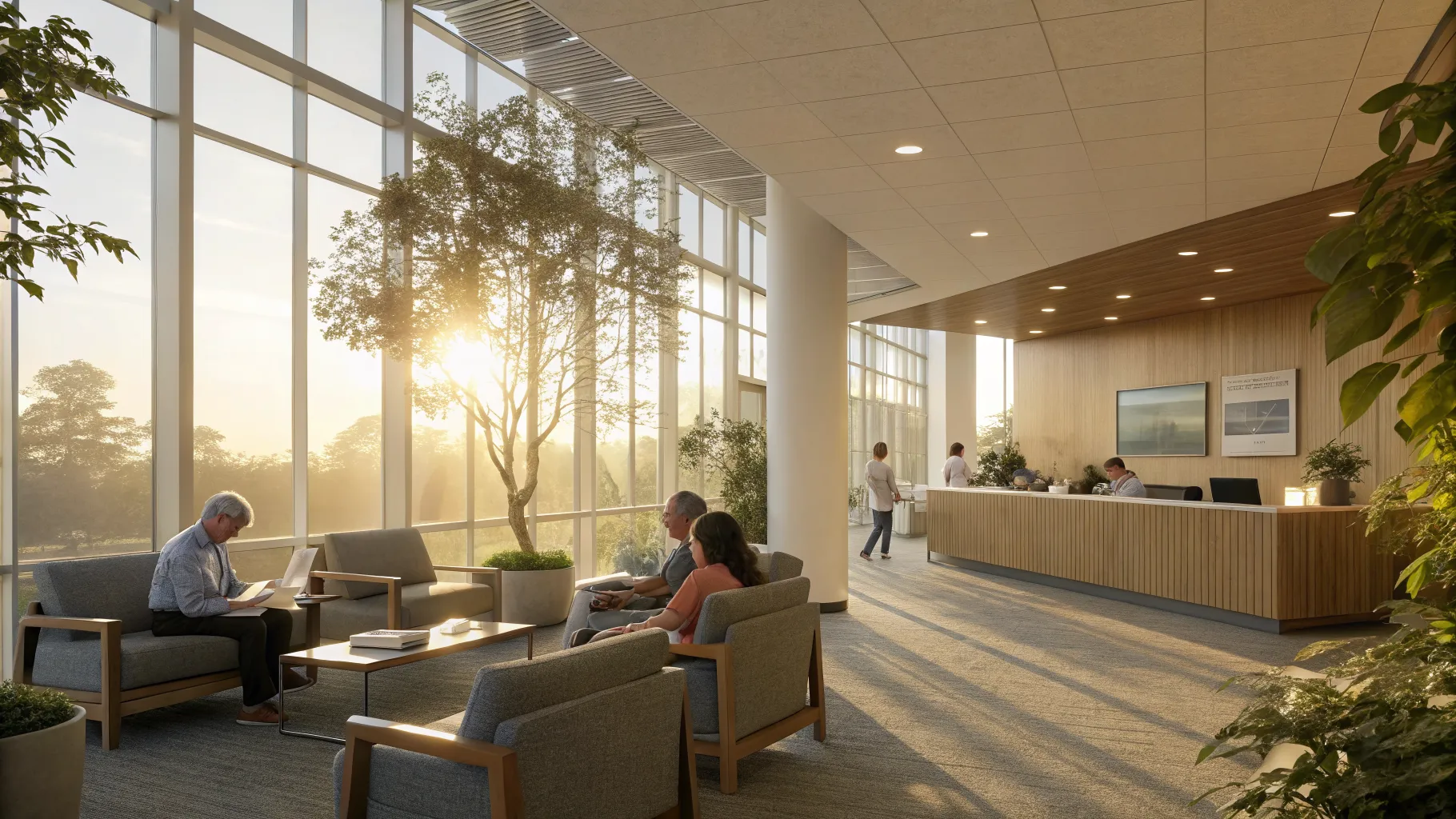
Leading Institutions for Mental Health Treatment Across the Nation
The landscape of mental health treatment in the United States is rich with dedicated professionals and innovative programs. Choosing from the myriad of options available requires a deep understanding of what each institution offers. Below, we delve into 15 of the most highly regarded mental health clinics, renowned for their excellence in patient care, groundbreaking research, and commitment to holistic well-being.
1. McLean Hospital (Belmont, Massachusetts)
Affiliated with Harvard Medical School, McLean Hospital is consistently ranked among the best psychiatric hospitals in the nation. It specializes in a broad range of psychiatric conditions, including depression, anxiety, substance use disorders, and bipolar disorder, offering both inpatient and outpatient services. Their commitment to research and education significantly contributes to advancements in mental health treatment. McLean's programs are known for their evidence-based therapies and personalized care plans, ensuring each patient receives tailored support on their recovery journey. They also lead in adolescent and young adult mental health programs, providing comprehensive care for complex cases and ensuring strong United States mental health support.
2. NewYork-Presbyterian Hospital (New York, New York)
As part of one of the largest and most comprehensive hospital systems in the country, NewYork-Presbyterian offers exceptional psychiatric services through its two university hospitals, Columbia and Weill Cornell. They provide multidisciplinary approaches to care, spanning mood disorders, psychotic disorders, and addiction services. Their facilities are equipped with state-of-the-art technology and staffed by leading experts in the field, making them one of the top mental health facilities. Patients benefit from a seamless integration of medical and psychiatric care, addressing both physical and mental health needs simultaneously. This holistic view is crucial for effective mental health treatment outcomes.
3. Massachusetts General Hospital (Boston, Massachusetts)
Known for its robust psychiatry department, Massachusetts General Hospital (MGH) provides world-class clinical care, research, and training. Their specialties include child and adolescent psychiatry, geriatric psychiatry, and addiction recovery. MGH’s innovative research translates directly into improved patient care, solidifying its reputation among the top mental health facilities. Their programs emphasize patient-centered care, incorporating family involvement and community resources to foster sustainable recovery. The hospital's commitment to advancing the understanding and treatment of mental illness makes it a cornerstone of United States mental health support.
4. The Menninger Clinic (Houston, Texas)
The Menninger Clinic is a national leader in psychiatric treatment, offering comprehensive assessments and highly individualized treatment plans for complex mental illnesses. They are particularly recognized for their programs in mood disorders, personality disorders, and addiction. Menninger’s intensive, long-term residential programs provide a structured environment crucial for profound healing, establishing them among the best behavioral health centers. Their interdisciplinary teams use a range of therapeutic modalities, from psychodynamic therapy to cognitive behavioral therapy, ensuring a well-rounded approach to recovery and effective mental health treatment.
5. Austen Riggs Center (Stockbridge, Massachusetts)
The Austen Riggs Center offers an open-setting, long-term residential treatment for adults with severe psychiatric disorders. Their distinctive approach integrates intensive psychotherapy, social work, and therapeutic community engagement without the use of locked doors. This unique model fosters a sense of agency and responsibility in patients, facilitating deep personal growth. It is celebrated as one of the most innovative mental health clinics, particularly for those who have not found success in traditional settings. The Center's focus on understanding the individual's narrative and fostering genuine relationships is central to its therapeutic philosophy.
6. Sheppard Pratt (Baltimore, Maryland)
Sheppard Pratt is a non-profit health system providing comprehensive mental health, substance use, special education, and social services. With a history spanning over 130 years, it offers a wide array of programs including inpatient, residential, and partial hospitalization for adults, adolescents, and children. Their specialized units address eating disorders, trauma, and neuropsychiatric conditions. Sheppard Pratt’s dedication to compassionate care and innovation positions it as one of the top mental health facilities for those needing diverse forms of mental health treatment. Their commitment extends to community-based programs, making quality care accessible.
7. UCLA Resnick Neuropsychiatric Hospital (Los Angeles, California)
Part of the renowned UCLA Health system, the Resnick Neuropsychiatric Hospital offers advanced clinical care, research, and education in psychiatry and neuroscience. They provide specialized programs for mood disorders, anxiety disorders, eating disorders, and geriatric psychiatry. Their integration with a leading medical center allows for comprehensive care that addresses both mental and physical health. The hospital's focus on evidence-based practices and cutting-edge research makes it one of the best behavioral health centers on the West Coast, contributing significantly to United States mental health support.
8. Silver Hill Hospital (New Canaan, Connecticut)
Silver Hill Hospital provides highly structured, individualized residential and inpatient treatment for psychiatric and addiction disorders. They offer specialized programs for adolescents and young adults, mood and anxiety disorders, and co-occurring substance use disorders. Their serene campus environment and focus on holistic wellness, including expressive therapies and mindfulness, support a comprehensive recovery journey. Silver Hill's emphasis on personalized care and a strong therapeutic community makes it a highly regarded choice among mental health clinics for effective mental health treatment.
9. Lindner Center of HOPE (Mason, Ohio)
A non-profit organization, the Lindner Center of HOPE offers a range of services from inpatient and residential care to partial hospitalization and outpatient services. They specialize in treating mood disorders, anxiety disorders, obsessive-compulsive disorder (OCD), eating disorders, and co-occurring addiction. The center is also actively involved in research, striving to improve diagnostics and treatments. Their integrated team approach ensures that patients receive thorough assessments and personalized care, placing them among the top mental health facilities in the Midwest for comprehensive mental health treatment.
10. Rogers Behavioral Health (Oconomowoc, Wisconsin)
Rogers Behavioral Health is a national leader in providing specialized residential and outpatient treatment for OCD, anxiety disorders, eating disorders, and depression. With multiple locations across the country, Rogers is known for its evidence-based cognitive behavioral therapy (CBT) and dialectical behavior therapy (DBT) programs. Their structured environment and focus on skill-building empower patients to manage their conditions effectively. Rogers’ dedication to specialized and intensive care solidifies its position as one of the best behavioral health centers for specific mental health challenges.
11. Sierra Tucson (Tucson, Arizona)
Nestled in the Sonoran Desert, Sierra Tucson offers a serene and therapeutic environment for treating addiction, trauma, mood disorders, and chronic pain. Their integrated approach combines traditional and complementary therapies, including equine-assisted therapy and adventure therapy, alongside evidence-based clinical interventions. Sierra Tucson’s focus on healing the whole person and addressing underlying issues makes it a unique and effective choice among mental health clinics. Their long-standing reputation for transformative care highlights their impact on United States mental health support.
12. The Retreat (Wayzata, Minnesota)
The Retreat is a non-profit, abstinence-based treatment center for alcohol and drug addiction, also addressing co-occurring mental health conditions. They combine the principles of the 12 Steps with evidence-based practices in a supportive, community-oriented environment. Their focus on long-term recovery and spiritual growth makes them a distinguished option for individuals seeking holistic rehabilitation. The Retreat's accessible and affordable programs provide vital mental health treatment options, demonstrating their commitment to broad United States mental health support.
13. Skyland Trail (Atlanta, Georgia)
Skyland Trail offers residential and day treatment programs for adults and adolescents with serious mental illnesses such as bipolar disorder, major depression, and schizophrenia. Their comprehensive approach includes evidence-based psychotherapy, social skills training, vocational rehabilitation, and family education. Skyland Trail's commitment to helping clients build independent lives and reintegrate into the community makes it a leading choice among top mental health facilities. Their structured programs are designed for sustainable recovery and provide critical mental health treatment.
14. Promises Behavioral Health (Multiple Locations)
Promises Behavioral Health operates a network of addiction and mental health treatment centers across the United States. They offer a range of programs, including inpatient, residential, and outpatient services, with specialized care for various mental health disorders and co-occurring substance use issues. Promises is known for its luxurious facilities, personalized treatment plans, and integration of experiential therapies. Their diverse locations and comprehensive offerings ensure wide accessibility to quality mental health treatment and exemplify the expansive nature of United States mental health support.
15. Clearview Treatment Programs (Los Angeles, California)
Clearview Treatment Programs specialize in treating borderline personality disorder (BPD), eating disorders, and other complex mental health issues through dialectical behavior therapy (DBT) and other evidence-based modalities. They offer a continuum of care, including residential, day treatment, and intensive outpatient programs. Clearview’s dedication to highly specialized, evidence-based interventions makes it a leader in its field, providing effective mental health treatment and establishing it as one of the best behavioral health centers for those with specific, challenging diagnoses.
Choosing the Right Mental Health Clinic: A Deeper Look
With such a diverse array of mental health clinics, selecting the appropriate one can feel daunting. Factors such as geographical location, specific specialization, treatment philosophy, and insurance coverage play a pivotal role. Some clinics, like McLean Hospital and Massachusetts General, are integral parts of larger academic medical centers, offering extensive research-driven care and cutting-edge diagnostics. Others, such as The Menninger Clinic and Austen Riggs Center, provide more intensive, long-term residential programs for complex and refractory conditions, often emphasizing psychodynamic or community-based therapeutic models. For those seeking specialized treatment for conditions like OCD or eating disorders, Rogers Behavioral Health and Clearview Treatment Programs stand out with their highly focused, evidence-based protocols. Institutions like Promises Behavioral Health offer a wider network, providing accessible options across various regions of the United States. Understanding these distinctions is crucial for aligning individual needs with the strengths of the top mental health facilities, ensuring the most effective path to recovery through personalized mental health treatment.
Key Steps to Finding the Best Behavioral Health Center for You
- Define Your Needs: Clearly identify the type of mental health treatment you require. Are you looking for inpatient, residential, partial hospitalization, or outpatient care? Do you need specialization in a particular disorder (e.g., depression, anxiety, addiction, eating disorders)? This clarity will narrow down the list of suitable mental health clinics.
- Research Accreditation and Credentials: Look for clinics that are accredited by reputable organizations (e.g., The Joint Commission, CARF). Verify the credentials and experience of the staff, including psychiatrists, psychologists, and therapists. The presence of board-certified professionals is a strong indicator of quality care at top mental health facilities.
- Consider Treatment Approaches: Different clinics employ various therapeutic modalities such as CBT, DBT, psychodynamic therapy, or holistic approaches. Understand which methods resonate most with you and your situation. Inquire about the clinic's philosophy and how they tailor mental health treatment plans.
- Evaluate Location and Environment: Decide if an inpatient residential setting is necessary, or if outpatient care near home is feasible. Consider the environment of the clinic – is it serene, structured, community-oriented? Proximity to family support can also be an important factor in effective United States mental health support.
- Understand Costs and Insurance: Investigate insurance coverage for the desired mental health treatment programs. Contact your insurance provider and the clinic's admissions team to understand out-of-pocket expenses, payment plans, and financial aid options. This is a critical step in accessing the best behavioral health centers without undue financial strain.
- Seek Referrals and Read Reviews: Consult with your primary care physician, current therapist, or other healthcare professionals for recommendations. Look for patient testimonials and reviews, but always cross-reference information to get a balanced perspective on various mental health clinics.
Frequently Asked Questions
What is the difference between inpatient and residential mental health treatment?
Inpatient mental health treatment typically involves short-term, acute care within a hospital setting, designed for individuals experiencing severe symptoms that require immediate medical supervision and stabilization. Residential treatment, on the other hand, is a longer-term program, offering a structured, therapeutic living environment outside a hospital for individuals needing intensive, sustained support to manage their mental illness or addiction. Both are crucial components of comprehensive United States mental health support, tailored to different stages of recovery.
How long does mental health treatment usually last at these top mental health facilities?
The duration of mental health treatment varies significantly depending on the individual's needs, the severity of their condition, and the type of program. Inpatient stays might range from a few days to several weeks, while residential programs can extend from one to several months. Outpatient and partial hospitalization programs can be ongoing for much longer, adapting to the patient's progress. Effective treatment at top mental health facilities prioritizes individualized care over a fixed timeline, ensuring optimal outcomes.
Are family members involved in mental health treatment programs?
Yes, many of the best behavioral health centers strongly encourage and integrate family involvement in their mental health treatment programs. This can include family therapy sessions, educational workshops, and support groups designed to help family members understand the condition, improve communication, and learn how to best support their loved one's recovery. Family involvement is often a key factor in long-term success and reinforces the patient's support network.
What kind of therapies are used in these mental health clinics?
The top mental health facilities utilize a wide array of evidence-based therapies. These commonly include Cognitive Behavioral Therapy (CBT), Dialectical Behavior Therapy (DBT), Psychodynamic Therapy, Group Therapy, Experiential Therapies (like art or equine therapy), and medication management. The specific blend of therapies is usually tailored to the individual's diagnosis and treatment goals, ensuring a comprehensive approach to mental health treatment. Many mental health clinics are also at the forefront of integrating new research findings.
How do I know if I need to seek help from a specialized mental health clinic?
If you or a loved one are experiencing persistent or worsening mental health symptoms that significantly impair daily functioning, relationships, or work/school performance, it may be time to seek help from a specialized mental health clinic. If outpatient therapy has not been sufficient, or if there's a risk of harm to self or others, a higher level of care from the best behavioral health centers in the United States could be necessary. Consulting with a healthcare professional is the first step in determining the most appropriate level of mental health treatment.
References
- National Institute of Mental Health (NIMH) - Mental Health Information.
- Substance Abuse and Mental Health Services Administration (SAMHSA) - National Survey on Drug Use and Health.
- American Psychiatric Association (APA) - Practice Guidelines.
- The Joint Commission - Accreditation Standards for Behavioral Health Care.
- World Health Organization (WHO) - Mental Health Fact Sheets.
Authored by 24Trendz team