Navigating Excellence: Top 15 Institutions for Spinal Rehabilitation in the USA
Spinal cord injuries, chronic back pain, and post-surgical rehabilitation require highly specialized care to facilitate recovery and maximize functional independence. The journey through spinal rehabilitation is often complex, demanding a multidisciplinary approach and access to cutting-edge therapies. Understanding what makes an institution excellent in this field is paramount for patients seeking the best possible outcomes.
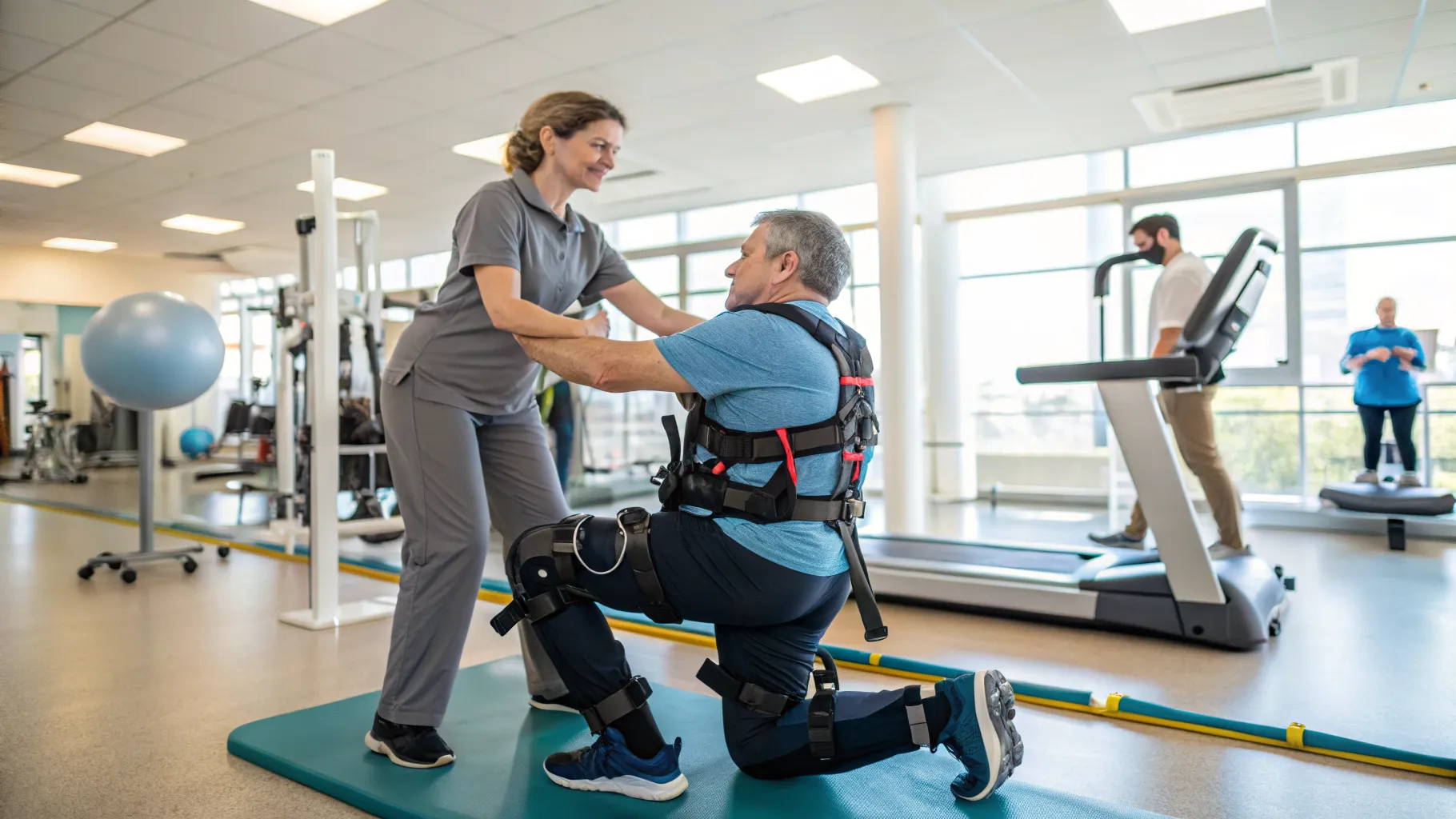
Understanding Spinal Rehabilitation
Spinal rehabilitation encompasses a broad range of medical and therapeutic interventions designed to restore function, reduce pain, and improve the overall quality of life for individuals with spinal conditions or injuries. This can include physical therapy, occupational therapy, speech therapy, psychological counseling, vocational rehabilitation, and pain management. The goal is not just to recover from an acute event but to adapt to new abilities and integrate back into daily life with as much independence as possible.
Patients undergoing spinal rehabilitation may be recovering from traumatic injuries like falls or accidents, dealing with degenerative conditions such as herniated discs or spinal stenosis, or managing post-operative recovery from spinal surgeries. Each condition requires a tailored approach, often involving a team of specialists working collaboratively to address the patient's unique needs.
What to Look for in a Rehabilitation Institution
Choosing a spinal rehabilitation center involves evaluating several critical factors to ensure the best fit for a patient's specific needs. Accreditation by organizations like the Commission on Accreditation of Rehabilitation Facilities (CARF) indicates a commitment to quality and continuous improvement. Experience and specialization are also key; institutions that treat a high volume of spinal patients often have more refined protocols and experienced staff.
Furthermore, prospective patients should consider the range of services offered, the availability of advanced technology and equipment, and the institution's approach to interdisciplinary care. The presence of research programs can also signify a commitment to innovation and evidence-based practices, potentially offering access to newer treatments. Location, insurance acceptance, and patient-to-staff ratios are practical considerations that can significantly impact the rehabilitation experience.
The Multidisciplinary Approach to Spinal Care
Effective spinal rehabilitation is rarely a one-person job. It thrives on a multidisciplinary team model, where various healthcare professionals collaborate to create and implement a comprehensive treatment plan. This team typically includes physiatrists (physical medicine and rehabilitation physicians), physical therapists, occupational therapists, speech-language pathologists, neuropsychologists, social workers, case managers, and rehabilitation nurses.
Each specialist brings a unique perspective and set of skills to the patient's care. For example, physical therapists focus on mobility and strength, occupational therapists on daily living activities, and neuropsychologists on cognitive and emotional well-being. This integrated approach ensures that all aspects of recovery, from physical limitations to emotional challenges, are addressed holistically.
Key Therapies and Treatment Modalities
Modern spinal rehabilitation employs a variety of therapies and modalities to achieve optimal outcomes. These can range from traditional hands-on techniques to highly advanced technological interventions. The selection of therapies is typically customized based on the individual's specific injury, level of function, and recovery goals.
- Physical Therapy: Focuses on restoring strength, flexibility, balance, and endurance through exercises, manual therapy, and gait training.
- Occupational Therapy: Helps patients regain skills for daily living, such as dressing, eating, bathing, and performing work-related tasks, often involving adaptive equipment.
- Aquatic Therapy: Uses the buoyancy and resistance of water to facilitate movement and exercise with reduced impact on joints.
- Robotic-Assisted Therapy: Utilizes robotic devices for repetitive, precise movements, often used for gait training and upper limb rehabilitation.
- Neuromuscular Electrical Stimulation (NMES): Applies electrical impulses to muscles to prevent atrophy and improve muscle function.
- Pain Management: Integrates various strategies, including medication, injections, and complementary therapies, to alleviate chronic pain.
Navigating the Top 15 Institutions for Spinal Rehabilitation in the USA
Identifying the absolute 'best' institution can be subjective and depend on individual needs, but several centers consistently rank high for their spinal rehabilitation programs, advanced research, and patient outcomes. These institutions often boast state-of-the-art facilities, highly specialized staff, and a comprehensive range of services.
Here is a list of highly regarded institutions known for their excellence in spinal rehabilitation, based on their reputation, specialized programs, and commitment to patient care:
- Shirley Ryan AbilityLab (Chicago, IL): Renowned for its innovative 'bench-to-bedside' research model and specialized 'AbilityLabs'.
- TIRR Memorial Hermann (Houston, TX): A leading provider of comprehensive rehabilitation for spinal cord injury and other complex conditions.
- Kessler Institute for Rehabilitation (West Orange, NJ): One of the largest and most comprehensive rehabilitation hospitals in the USA, with extensive spinal cord injury programs.
- Craig Hospital (Englewood, CO): Exclusively specializes in spinal cord injury and traumatic brain injury rehabilitation, known for its personalized approach.
- Shepherd Center (Atlanta, GA): A private, not-for-profit hospital specializing in medical treatment, research, and rehabilitation for people with spinal cord and brain injury.
- Spaulding Rehabilitation Hospital (Boston, MA): An official teaching hospital of Harvard Medical School, known for its cutting-edge research and comprehensive programs.
- Mayo Clinic (Rochester, MN; Phoenix, AZ; Jacksonville, FL): Offers highly integrated and personalized care for complex spinal conditions across its multiple campuses.
- Cleveland Clinic Rehabilitation Hospital (Cleveland, OH): Provides advanced rehabilitative care integrated within a world-renowned medical system.
- Mount Sinai Rehabilitation Center (New York, NY): Part of the Mount Sinai Health System, offering advanced rehabilitation for a wide range of neurological and musculoskeletal conditions.
- NYU Langone Health Rusk Rehabilitation (New York, NY): Known for its comprehensive inpatient and outpatient rehabilitation services, including specialized spinal cord injury programs.
- UCSF Health Rehabilitation Services (San Francisco, CA): Offers highly specialized care for neurological conditions, including spinal cord injuries, within a leading academic medical center.
- Johns Hopkins Rehabilitation Network (Baltimore, MD): Provides interdisciplinary rehabilitation services for complex conditions, leveraging research and clinical expertise.
- MossRehab (Elkins Park, PA): Recognized for its innovative programs, technology, and research in physical medicine and rehabilitation.
- University of Washington Medical Center Rehabilitation Medicine (Seattle, WA): A regional leader offering comprehensive care for spinal cord injuries and neurological conditions.
- Rehabilitation Institute of St. Louis (St. Louis, MO): A partnership between BJC HealthCare and Encompass Health, providing advanced inpatient rehabilitation.
Making an Informed Decision
Selecting the best institution for spinal rehabilitation is a deeply personal choice that should involve careful research and consideration of individual circumstances. While lists of top institutions provide a valuable starting point, it is crucial to conduct thorough due diligence, including visiting facilities if possible, speaking with medical professionals, and consulting patient testimonials.
Patients and their families should consider factors such as specific program offerings, therapist-to-patient ratios, the availability of specialized equipment, and the institution's success rates for conditions similar to theirs. Asking detailed questions about the treatment plan, expected outcomes, and post-discharge support can help ensure that the chosen institution aligns perfectly with recovery goals and personal preferences, leading to the most effective rehabilitation journey.
Authored by 24Trendz team