Discovering Excellence: The Top 15 Gastroenterology Practices in the United States
Facts:
- Digestive diseases affect millions annually in the US.
- Demand for specialized gastroenterology practices continues to grow for complex conditions.
Unveiling America's Foremost Gastroenterology Practices
The quest for exceptional digestive health often leads patients to seek out the very best care available. In the United States, a select group of institutions stands at the forefront of medical innovation and patient-centric treatment in the field of gastroenterology. These premier gastroenterology practices are distinguished by their commitment to cutting-edge research, advanced therapeutic interventions, and multidisciplinary teams of highly skilled digestive health specialists. Identifying the leading centers provides invaluable guidance for individuals and families navigating complex gastrointestinal conditions, ensuring access to the highest standard of care and optimal patient outcomes across the nation.
Criteria for Identifying Leading Gastroenterology Practices
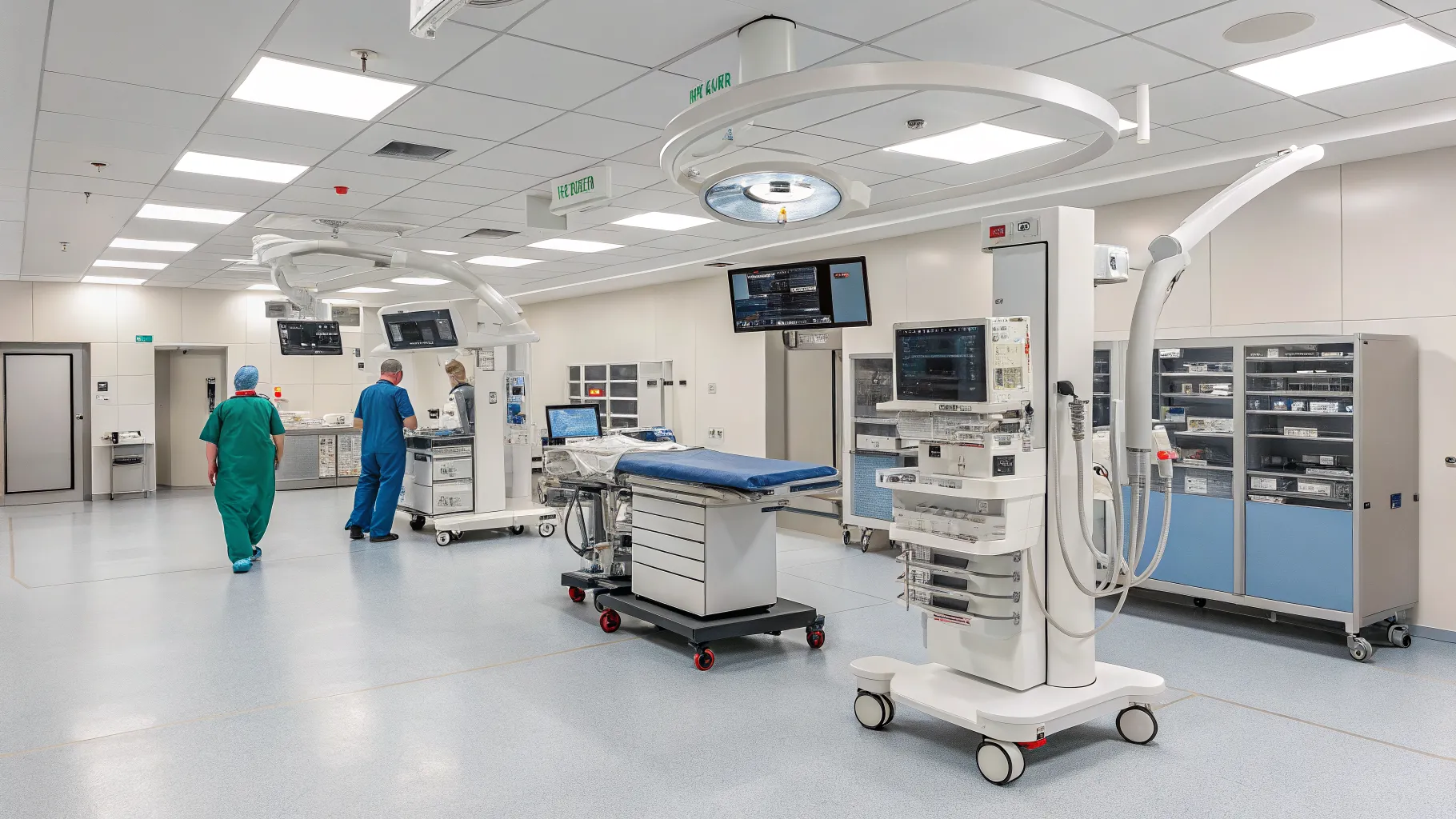
Determining what constitutes a "top" gastroenterology practice involves evaluating a multitude of factors beyond just clinical outcomes. Key indicators include the depth of specialist expertise, particularly in subspecialties such as inflammatory bowel disease, hepatology, and advanced endoscopy. Furthermore, a commitment to groundbreaking research and participation in clinical trials signals a practice's dedication to advancing the field of GI medicine. Patient support services, including access to nutritionists, social workers, and mental health professionals, also play a crucial role in holistic patient care. Finally, the integration of advanced technologies and state-of-the-art facilities ensures that patients receive the most current and effective treatments available. These comprehensive criteria are essential for pinpointing truly exceptional GI care in the US.
Spotlight on the Top 15 Gastroenterology Practices in the United States
This curated list represents institutions and clinics renowned for their unparalleled expertise, innovative treatments, and patient-first approach to digestive health. Each practice has demonstrated a consistent commitment to excellence, often serving as referral centers for complex cases.
1. Mayo Clinic - Rochester, MN
The Mayo Clinic in Rochester is a globally recognized leader in digestive diseases, offering comprehensive care for a wide spectrum of gastrointestinal and liver conditions. Their integrated, multidisciplinary approach ensures that patients receive coordinated care from a team of expert leading gastroenterologists, surgeons, radiologists, and pathologists. With cutting-edge research programs and extensive clinical trials, the Mayo Clinic continually pushes the boundaries of GI medicine, providing advanced therapies for even the most challenging cases, including complex liver transplants and pancreatic disorders.
2. Cleveland Clinic - Cleveland, OH
Cleveland Clinic's Digestive Disease & Surgery Institute is acclaimed for its high volume of complex cases and innovative treatment options. It is home to specialists across all areas of gastroenterology, including IBD, functional bowel disorders, and gastrointestinal motility. Their emphasis on research translates directly into patient care, with access to new diagnostic tools and therapeutic interventions. The clinic's robust educational programs also ensure a continuous pipeline of highly trained digestive health specialists, contributing significantly to the future of GI care.
3. Mount Sinai Hospital - New York, NY
Mount Sinai's Division of Gastroenterology and Liver Diseases is a powerhouse of clinical excellence and research innovation. Known for its specialized centers focused on conditions like celiac disease, inflammatory bowel disease, and liver transplantation, Mount Sinai attracts patients with difficult-to-diagnose and treat conditions. The practice leverages state-of-the-art endoscopic procedures and advanced imaging technologies, setting a high standard for patient outcomes among top gastroenterology clinics.
4. Massachusetts General Hospital - Boston, MA
Mass General's Digestive Healthcare Center provides world-class care for conditions affecting the esophagus, stomach, small intestine, colon, pancreas, and liver. Its strength lies in its collaborative environment, where medical and surgical teams work seamlessly. The institution is a major referral center for complicated GI cases, offering expertise in conditions such as Barrett's esophagus and pancreatic cancer. Their commitment to pioneering research often means patients have access to novel treatments unavailable elsewhere, reinforcing its status among the premier gastroenterology practices.
5. Cedars-Sinai Medical Center - Los Angeles, CA
Cedars-Sinai is recognized for its comprehensive approach to digestive and liver diseases, particularly its cutting-edge work in inflammatory bowel disease and hepatobiliary disorders. The GI practice offers a full range of diagnostic and therapeutic endoscopy, including advanced procedures like ERCP and EUS. Their clinical research programs are robust, contributing significantly to understanding and treating complex GI conditions, making it a pivotal institution for GI care in the US.
6. NewYork-Presbyterian Hospital-Columbia and Cornell - New York, NY
This joint institution boasts two premier gastroenterology divisions, offering extensive expertise across all subspecialties. From advanced endoscopy to complex liver disease management, their teams provide highly specialized care. The academic affiliation ensures a focus on teaching and research, translating into state-of-the-art diagnostic and treatment strategies. They are particularly noted for their contributions to liver transplantation and IBD research, attracting patients from across the globe seeking the best gastroenterology practices.
7. Brigham and Women's Hospital - Boston, MA
Affiliated with Harvard Medical School, Brigham and Women's Gastroenterology, Hepatology and Endoscopy division is a national leader. It provides comprehensive care for common and rare digestive disorders, with particular strengths in esophageal disorders, pancreatic diseases, and viral hepatitis. Their commitment to personalized medicine and interdisciplinary collaboration ensures that each patient receives a tailored treatment plan, a hallmark of the top gastroenterology clinics.
8. UCSF Medical Center - San Francisco, CA
UCSF's Division of Gastroenterology is renowned for its innovative treatments in liver disease, IBD, and functional gastrointestinal disorders. As a leading academic medical center, UCSF integrates cutting-edge research with patient care, offering access to novel therapies and clinical trials. Their specialists are adept at managing complex and rare GI conditions, solidifying their reputation as a top choice for advanced digestive health specialists.
9. Stanford Health Care - Stanford, CA
Stanford's Digestive Health Center is a leader in complex GI care, particularly in areas such as neurogastroenterology and motility, pancreatic and biliary diseases, and liver transplantation. The center’s focus on integrating clinical care with research provides patients with access to innovative diagnostic technologies and therapeutic approaches. Their collaborative model ensures that patients benefit from the collective expertise of multiple specialists, reflecting the pinnacle of GI care in the US.
10. Hospitals of the University of Pennsylvania-Penn Presbyterian - Philadelphia, PA
Penn Medicine's Division of Gastroenterology is a major referral center for complex GI conditions. Their strength lies in highly specialized programs for inflammatory bowel disease, celiac disease, and advanced liver care. The integration of clinical research into daily practice means patients often have access to new treatments and clinical trials, reinforcing Penn's position among the most advanced gastroenterology practices.
11. Northwestern Memorial Hospital - Chicago, IL
Northwestern Medicine's Division of Gastroenterology and Hepatology offers comprehensive care for all digestive conditions. Known for its expertise in motility disorders, IBD, and advanced endoscopy, the hospital is a significant referral center in the Midwest. Their multidisciplinary team approach ensures personalized care plans and access to the latest therapeutic advancements, making them one of the respected top gastroenterology clinics.
12. Houston Methodist Hospital - Houston, TX
Houston Methodist's GI services are nationally recognized for their excellence in treating a wide range of digestive and liver conditions. The hospital features state-of-the-art endoscopy suites and a dedicated team of specialists focused on complex cases, including GI cancers and advanced liver diseases. Their commitment to research and innovative surgical techniques positions them as a leading institution for digestive health specialists in the region.
13. UC San Diego Health - La Jolla, CA
UC San Diego Health's Division of Gastroenterology offers advanced diagnostic and therapeutic services for complex digestive and liver diseases. With a strong emphasis on research, particularly in areas like inflammatory bowel disease and liver regeneration, patients benefit from access to cutting-edge treatments and clinical trials. Their multidisciplinary team approach ensures holistic care, solidifying its place among esteemed gastroenterology practices.
14. Rush University Medical Center - Chicago, IL
Rush University Medical Center's Division of Gastroenterology provides exceptional care for both common and rare digestive disorders. They are particularly strong in areas like motility disorders and advanced therapeutic endoscopy. Their academic environment fosters innovation and continuous improvement in patient care, ensuring that they remain a top destination for specialized GI care in the US.
15. Yale New Haven Hospital - New Haven, CT
Yale New Haven Hospital's Section of Digestive Diseases is known for its comprehensive approach to complex GI and liver conditions. Their focus on research, particularly in areas such as inflammatory bowel disease and fatty liver disease, translates into advanced treatment options for patients. The hospital's commitment to patient education and multidisciplinary care makes it a cornerstone of gastroenterology practices in the Northeast.
Choosing the Right Gastroenterology Practice for Your Needs
When faced with digestive health concerns, selecting the appropriate healthcare provider is a critical decision that can profoundly impact your well-being. Evaluating your personal needs is paramount; consider the specific nature of your condition, whether it's a chronic ailment requiring long-term management or an acute issue needing immediate intervention. Researching the subspecialty expertise of potential clinics is crucial. For instance, if you have inflammatory bowel disease, finding a practice with a dedicated IBD center and expert leading gastroenterologists in that field will yield better outcomes than a general GI clinic. Look into the types of advanced diagnostic and therapeutic procedures they offer, such as endoscopic ultrasound (EUS) or endoscopic retrograde cholangiopancreatography (ERCP), which indicate a higher level of specialized care. Furthermore, consider the practice's approach to patient education and support; a clinic that offers access to dietitians, support groups, or patient navigators can significantly enhance your treatment journey. Always review patient testimonials and outcomes data if available, as these provide real-world insights into the quality of care and patient satisfaction at various gastroenterology practices. Finally, geographical convenience and insurance compatibility are practical considerations that should not be overlooked to ensure seamless and accessible care.
Advancements in Modern GI Care and Treatment
The field of gastroenterology is continually evolving, driven by technological innovations and deeper understanding of digestive diseases. Modern advancements have revolutionized diagnostics and therapeutics, leading to more precise and less invasive interventions. For example, capsule endoscopy allows for non-invasive visualization of the small intestine, detecting abnormalities that traditional endoscopies might miss. Advanced endoscopic techniques, such as endoscopic mucosal resection (EMR) and endoscopic submucosal dissection (ESD), enable the removal of precancerous lesions and early-stage cancers without major surgery. Furthermore, biologics and targeted therapies have transformed the management of inflammatory bowel diseases, offering sustained remission for many patients who previously had limited options. The integration of artificial intelligence in image analysis is also improving the detection rate of polyps and other abnormalities during colonoscopies. Personalized medicine, based on genetic and microbiome analysis, is emerging as a powerful tool to tailor treatments for conditions like irritable bowel syndrome and certain liver diseases. These ongoing developments underscore the dynamic nature of GI care in the US and highlight the commitment of top gastroenterology clinics to bringing the best possible outcomes to their patients.
Actionable Advice for Optimizing Your Digestive Health Journey
Maximizing Your Visit to Gastroenterology Practices
- Prepare Thoroughly: Before your appointment with any of the leading gastroenterologists, compile a detailed medical history, including all symptoms, medications, supplements, and previous diagnostic tests. This comprehensive overview helps your specialist understand your condition more effectively and tailor treatment.
- Ask Incisive Questions: Don't hesitate to ask about diagnostic procedures, treatment options, potential side effects, and expected recovery times. Understanding your care plan empowers you to make informed decisions and actively participate in your health journey.
- Follow Dietary and Lifestyle Recommendations: Many GI conditions are significantly influenced by diet and lifestyle. Adhere closely to any dietary modifications, exercise regimens, or stress management techniques recommended by your digestive health specialists to support your treatment and overall well-being.
- Maintain Open Communication: Keep your healthcare team informed about any new symptoms, changes in your condition, or concerns you may have between appointments. Timely communication ensures that your treatment plan can be adjusted as needed, preventing potential complications.
- Seek Second Opinions When Necessary: For complex or persistent conditions, considering a second opinion from another expert at a different one of the respected gastroenterology practices can provide valuable additional perspectives and confirm the chosen course of treatment.
Frequently Asked Questions
What conditions do gastroenterology practices primarily treat?
Gastroenterology practices specialize in diagnosing and treating conditions of the digestive system, including the esophagus, stomach, small intestine, large intestine (colon), rectum, liver, gallbladder, and pancreas. This encompasses a wide range of issues from common ailments like acid reflux and irritable bowel syndrome (IBS) to more complex diseases such as inflammatory bowel disease (IBD), hepatitis, celiac disease, and gastrointestinal cancers. Specialists in these clinics, often referred to as digestive health specialists, utilize advanced diagnostic tools and therapeutic procedures to manage these conditions effectively.
How do I choose the best GI care in the US for my specific condition?
Choosing the best GI care in the US involves several steps. First, identify your specific condition, as some practices excel in particular subspecialties (e.g., liver disease, IBD, motility disorders). Look for practices with board-certified leading gastroenterologists and a multidisciplinary team approach. Consider factors like their research involvement, available advanced technologies, patient reviews, and insurance coverage. Referral from your primary care physician can also be a valuable starting point to find reputable top gastroenterology clinics tailored to your needs.
References
- American Gastroenterological Association (AGA) publications
- National Institute of Diabetes and Digestive and Kidney Diseases (NIDDK) research
- Peer-reviewed medical journals in gastroenterology
- Clinical trial data and outcomes reports from leading institutions
- Accreditation standards for digestive disease centers
Authored by 24Trendz team