Discover the Top 15 Clinics for AFib Treatment in the United States
Facts:
- AFib affects over 6 million adults in the U.S.
- Advanced ablation techniques show increasing success rates for heart rhythm disorders.
Navigating Excellence: Identifying Premier AFib Treatment Centers
When facing a diagnosis of atrial fibrillation, securing the best possible care is paramount. The United States boasts some of the world's leading AFib treatment centers, equipped with cutting-edge technology and renowned arrhythmia specialists dedicated to restoring normal heart rhythms. This comprehensive guide highlights the premier institutions where patients can find advanced diagnostics, innovative therapies, and personalized treatment plans for complex heart rhythm disorders.
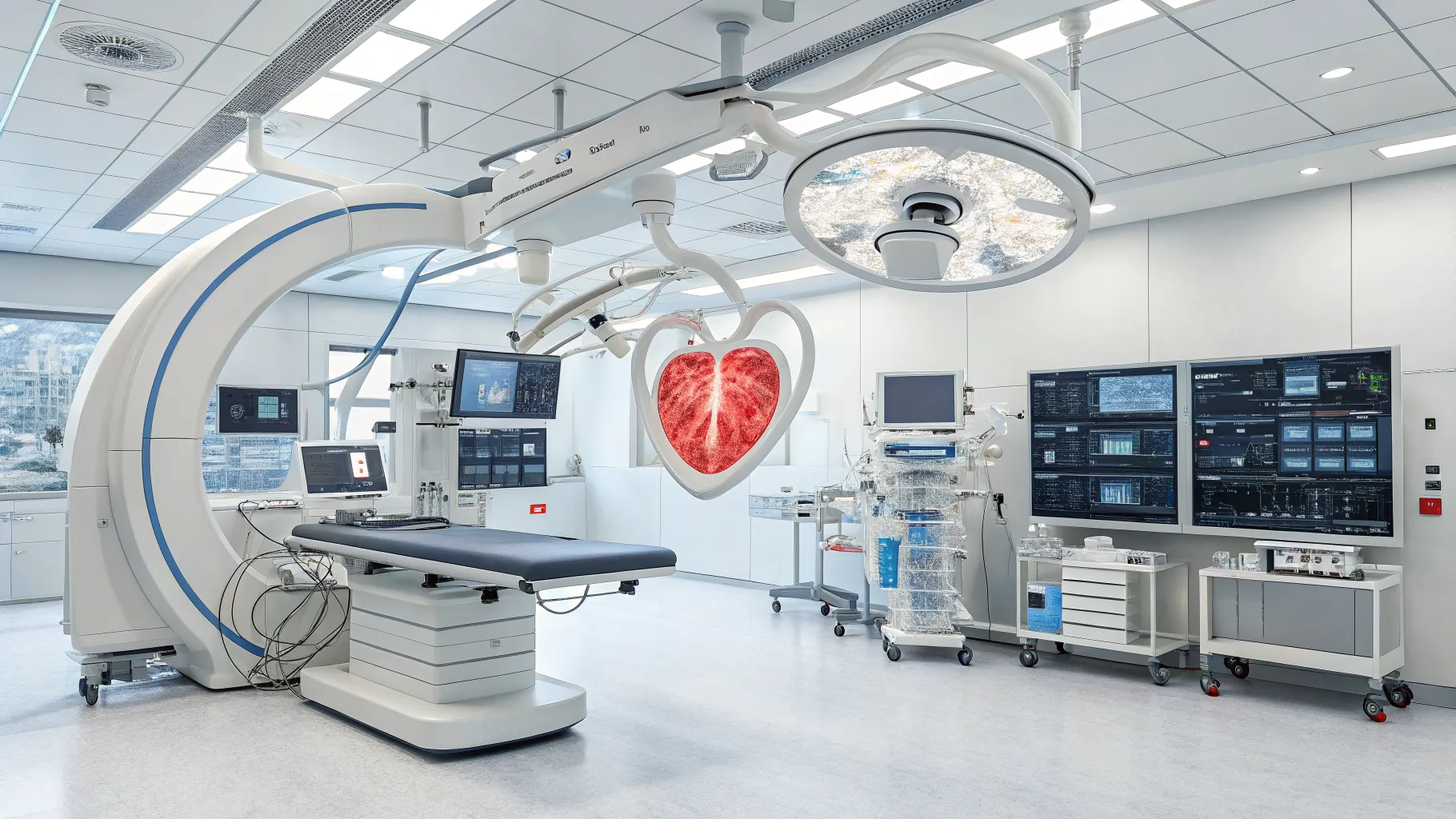
The Nation's Leading Cardiac Care Centers for Atrial Fibrillation
Choosing a top-tier institution for AFib treatment can significantly impact patient outcomes. These atrial fibrillation clinics are recognized for their multidisciplinary teams, pioneering research, and patient-centric approaches to managing heart rhythm disorders.
1. Cleveland Clinic (Cleveland, Ohio)
The Cleveland Clinic's Miller Family Heart, Vascular & Thoracic Institute is consistently ranked among the best for cardiac care, offering advanced AFib treatment options including complex ablations and hybrid procedures. Their team of arrhythmia specialists is renowned for tackling the most challenging cases of atrial fibrillation, utilizing state-of-the-art mapping systems and individualized care plans. Patients benefit from extensive research programs and access to novel therapies, ensuring they receive the most current and effective AFib treatment strategies available.
2. Mayo Clinic (Rochester, Minnesota)
Mayo Clinic is a global leader in integrated healthcare, and its approach to AFib treatment is no exception. With campuses in Minnesota, Arizona, and Florida, Mayo Clinic offers comprehensive diagnostic and therapeutic services for atrial fibrillation. Their cardiac care centers excel in electrophysiology, providing advanced catheter ablation, cryoablation, and surgical options. The collaborative environment ensures that patients receive a holistic evaluation and treatment plan from a team of expert arrhythmia specialists, focusing on both immediate symptom relief and long-term heart health in the context of heart rhythm disorders.
3. Massachusetts General Hospital (Boston, Massachusetts)
Massachusetts General Hospital, affiliated with Harvard Medical School, is a powerhouse in cardiovascular medicine. Its Heart Center provides cutting-edge AFib treatment, including advanced electrophysiology labs and a dedicated atrial fibrillation clinic. Their arrhythmia specialists are at the forefront of research, offering innovative approaches to managing paroxysmal, persistent, and long-standing persistent atrial fibrillation. The hospital's commitment to patient education and support services also sets it apart, empowering individuals to actively participate in their AFib treatment journey and understand their heart rhythm disorders.
4. Johns Hopkins Hospital (Baltimore, Maryland)
Johns Hopkins Medicine is synonymous with pioneering medical advancements, and its approach to AFib treatment reflects this legacy. The Johns Hopkins Heart and Vascular Institute offers a full spectrum of services for atrial fibrillation, from medication management to sophisticated interventional procedures performed by highly skilled arrhythmia specialists. Their strength lies in personalized medicine, where treatment plans are meticulously tailored to each patient's specific type of heart rhythm disorders, comorbidities, and lifestyle. This ensures optimal outcomes and improved quality of life for those undergoing AFib treatment.
5. NewYork-Presbyterian Hospital (New York, New York)
NewYork-Presbyterian, in collaboration with Columbia and Weill Cornell Medicine, boasts an exceptional cardiac program with specialized AFib treatment facilities. As a leading academic medical center, it offers a robust array of services for atrial fibrillation, including advanced diagnostic imaging, pharmacological management, and state-of-the-art ablation techniques. The experienced team of arrhythmia specialists here leverages the latest research to provide effective AFib treatment for even the most complex cases of heart rhythm disorders, making it a prime destination for patients seeking high-quality care.
6. Stanford Health Care (Stanford, California)
Stanford Health Care's Heart Center is a world-renowned institution offering comprehensive AFib treatment and research. With a strong emphasis on innovation, Stanford's electrophysiology program specializes in complex catheter ablation procedures for atrial fibrillation, including robotic-assisted techniques. Their arrhythmia specialists are experts in diagnosing and managing all forms of heart rhythm disorders, providing patients with access to clinical trials and advanced therapies not available elsewhere. The integrated approach ensures that patients receive complete care, from initial diagnosis through rehabilitation for their AFib treatment.
7. Cedars-Sinai Medical Center (Los Angeles, California)
Cedars-Sinai Heart Institute is widely recognized for its excellence in cardiology and cardiac surgery, providing advanced AFib treatment options. Their electrophysiology team offers comprehensive care for atrial fibrillation, focusing on both rhythm control and stroke prevention strategies. Patients at this cardiac care center benefit from access to leading-edge technologies and a multidisciplinary approach involving arrhythmia specialists, cardiologists, and cardiac surgeons. Cedars-Sinai is particularly known for its success in minimally invasive procedures and complex re-ablations for persistent heart rhythm disorders requiring specialized AFib treatment.
8. Northwestern Memorial Hospital (Chicago, Illinois)
Northwestern Medicine's Bluhm Cardiovascular Institute is a top-ranked program offering exceptional AFib treatment. Their comprehensive atrial fibrillation clinic features a dedicated team of arrhythmia specialists who excel in both medical and interventional therapies. They employ the latest diagnostic tools and advanced ablation techniques, including pulsed field ablation, to effectively manage heart rhythm disorders. The institute's commitment to research ensures that patients have access to the newest advancements in AFib treatment, providing a high standard of care for complex cardiac conditions.
9. Hospital of the University of Pennsylvania (Philadelphia, Pennsylvania)
The Penn Heart and Vascular Center at the Hospital of the University of Pennsylvania is a leader in cardiovascular medicine, offering state-of-the-art AFib treatment. Their electrophysiology program is renowned for its expertise in complex atrial fibrillation ablations, including those for long-standing persistent AFib. The multidisciplinary team of arrhythmia specialists and surgeons works collaboratively to provide personalized care, integrating pharmacological management, lifestyle modifications, and advanced interventional procedures. Patients benefit from a research-intensive environment focused on improving outcomes for heart rhythm disorders.
10. Brigham and Women's Hospital (Boston, Massachusetts)
Brigham and Women's Hospital, a major teaching affiliate of Harvard Medical School, provides world-class AFib treatment. Its Heart & Vascular Center offers a full range of services for atrial fibrillation, including sophisticated electrophysiology studies and catheter ablations. The team of highly experienced arrhythmia specialists is committed to delivering patient-centered care, leveraging advanced imaging and mapping technologies to optimize AFib treatment strategies. Their integrated approach ensures that patients receive comprehensive care for all aspects of their heart rhythm disorders.
11. Houston Methodist Hospital (Houston, Texas)
Houston Methodist DeBakey Heart & Vascular Center is recognized for its pioneering work in cardiovascular care, including advanced AFib treatment. Their electrophysiology program specializes in both medical management and interventional procedures for atrial fibrillation, utilizing the latest technologies for mapping and ablation. The dedicated team of arrhythmia specialists provides individualized care plans, focusing on controlling symptoms, preventing stroke, and improving quality of life for patients with complex heart rhythm disorders. Their commitment to innovation and patient outcomes makes them a premier destination for AFib treatment.
12. Mount Sinai Hospital (New York, New York)
The Mount Sinai Hospital's Zena and Michael A. Wiener Cardiovascular Institute is a leading center for AFib treatment and research. Their electrophysiology division offers comprehensive services for atrial fibrillation, including advanced diagnostic testing, medical management, and a full spectrum of ablation techniques. The arrhythmia specialists at Mount Sinai are known for their expertise in managing challenging cases of heart rhythm disorders, providing patients with access to cutting-edge clinical trials and innovative therapies that define the future of AFib treatment.
13. Duke University Hospital (Durham, North Carolina)
Duke Health's Heart Center is renowned for its academic excellence and clinical innovation in AFib treatment. Their electrophysiology program provides comprehensive care for atrial fibrillation, from initial diagnosis to complex ablations and device implantations. The multidisciplinary team of arrhythmia specialists at Duke is committed to advancing the understanding and management of heart rhythm disorders through rigorous research and compassionate patient care. Patients seeking specialized AFib treatment benefit from access to cutting-edge technologies and personalized treatment strategies.
14. Barnes-Jewish Hospital (St. Louis, Missouri)
Barnes-Jewish Hospital, in partnership with Washington University School of Medicine, offers outstanding AFib treatment through its Heart & Vascular Center. Their electrophysiology program is highly regarded for its expertise in diagnosing and treating all forms of atrial fibrillation. The team of skilled arrhythmia specialists utilizes advanced catheter ablation techniques, including cryoablation and radiofrequency ablation, to restore normal heart rhythms. With a strong focus on patient safety and outcomes, Barnes-Jewish provides comprehensive care for complex heart rhythm disorders, making it a leading choice for AFib treatment.
15. UCLA Medical Center (Los Angeles, California)
UCLA Health's Cardiovascular Center is a national leader in cardiology and offers comprehensive AFib treatment services. Their electrophysiology program excels in the management of atrial fibrillation, employing advanced diagnostic tools and a wide array of therapeutic options, including state-of-the-art ablation procedures. The arrhythmia specialists at UCLA are dedicated to providing personalized and innovative care for patients with heart rhythm disorders, integrating research findings into clinical practice to ensure the most effective AFib treatment outcomes. Patients benefit from a holistic approach to cardiovascular health.
A Closer Look at Innovative AFib Treatment Options
Beyond traditional pharmacological approaches, modern AFib treatment has evolved to include sophisticated interventional and surgical options. Catheter ablation, a cornerstone of current therapy, aims to precisely target and neutralize the errant electrical signals causing atrial fibrillation. Techniques such as radiofrequency ablation, which uses heat, and cryoablation, which employs extreme cold, are routinely performed by arrhythmia specialists at leading cardiac care centers. Furthermore, hybrid ablation procedures, combining minimally invasive surgery with catheter-based techniques, offer hope for patients with long-standing persistent heart rhythm disorders who might not fully respond to a single modality. These advanced strategies significantly improve the chances of long-term rhythm control and symptom relief, underscoring the importance of seeking care from specialized AFib treatment clinics.
Choosing the Right Atrial Fibrillation Clinic for Your Needs
- Evaluate Expertise: Look for atrial fibrillation clinics with highly specialized arrhythmia specialists and electrophysiologists who have extensive experience in your specific type of AFib treatment, including complex ablation procedures if necessary.
- Consider Technology & Research: Prioritize cardiac care centers that utilize state-of-the-art diagnostic and therapeutic technologies, and actively participate in clinical trials for new AFib treatment modalities. This indicates a commitment to cutting-edge care for heart rhythm disorders.
- Assess Multidisciplinary Care: A clinic offering a team-based approach, involving cardiologists, electrophysiologists, cardiac surgeons, and support staff, ensures comprehensive evaluation and management of your atrial fibrillation. This holistic view is crucial for effective AFib treatment.
- Examine Patient Outcomes & Volume: Inquire about the clinic's success rates for various AFib treatment procedures and the volume of cases they handle. High volume often correlates with greater expertise in managing heart rhythm disorders.
- Location and Accessibility: While expertise is paramount, consider the practicalities of travel and follow-up care. Choose a cardiac care center that balances clinical excellence with reasonable accessibility for your long-term AFib treatment journey.
Frequently Asked Questions
What is the primary goal of AFib treatment?
The primary goal of AFib treatment is to manage symptoms, prevent complications such as stroke, and restore a normal heart rhythm. This involves addressing the underlying heart rhythm disorders through medication, lifestyle changes, or interventional procedures like ablation, all guided by expert arrhythmia specialists at dedicated atrial fibrillation clinics.
How do I know if I need an ablation for atrial fibrillation?
Whether you need an ablation for atrial fibrillation depends on several factors, including the type and severity of your AFib, your response to medications, and your overall health. Your arrhythmia specialists at a specialized AFib treatment clinic will assess these factors and recommend an ablation if it's considered the most effective way to control your heart rhythm disorders and improve your quality of life.
Are there different types of AFib treatment procedures?
Yes, there are several types of AFib treatment procedures. Beyond medication, common interventional options include catheter ablation (using radiofrequency or cryoablation) and surgical ablation (often performed during other heart surgeries or as a standalone hybrid procedure). The choice of procedure depends on the individual patient's specific atrial fibrillation characteristics and is determined by arrhythmia specialists at advanced cardiac care centers.
References
- American Heart Association. (2023). Understanding Atrial Fibrillation.
- Heart Rhythm Society. (2024). Guidelines for AFib Management.
- Cardiovascular Institute of America. (2022). Advances in Electrophysiology.
Authored by 24Trendz team