Discover the Top 15 Campuses for Reconstructive Plastic Surgery in the United States
Key Facts:
- Over 5 million reconstructive procedures performed annually.
- Demand for specialized reconstructive plastic surgery skills growing for complex cases.
Navigating Excellence in Reconstructive Plastic Surgery Education
Choosing the right institution for advanced training or patient care in reconstructive plastic surgery is a critical decision, shaping careers and patient outcomes. The United States boasts some of the most prestigious and innovative academic medical centers dedicated to pioneering techniques and rigorous surgical education. These institutions are not only at the forefront of clinical practice but also serve as vital hubs for research and development, pushing the boundaries of what's possible in restoring form and function.
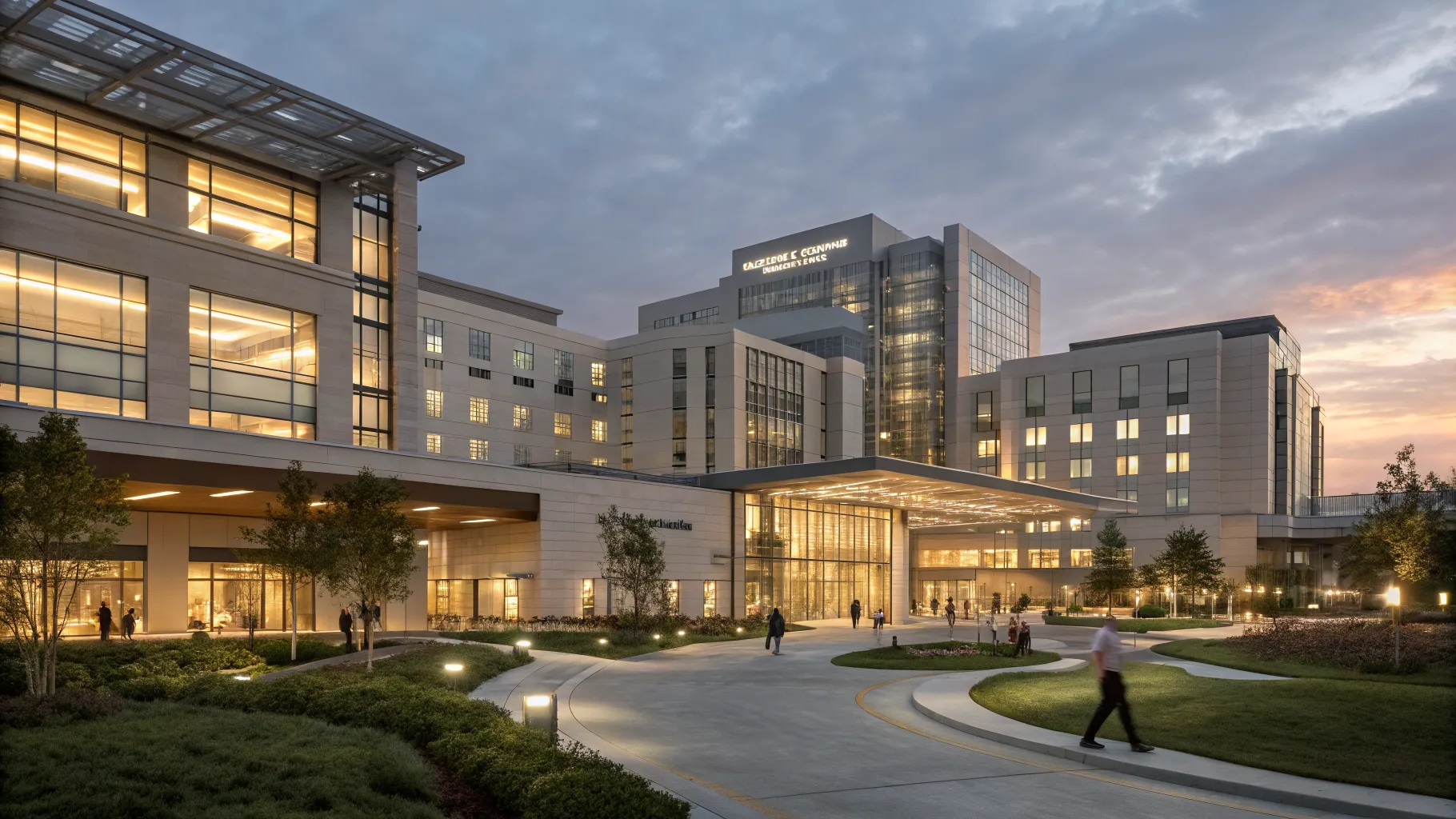
Johns Hopkins Medicine, Baltimore, MD
Known globally for its pioneering medical innovations, Johns Hopkins offers one of the most comprehensive reconstructive plastic surgery programs. Their department excels in areas such as microsurgery, craniofacial surgery, and breast reconstruction. The institution's commitment to research ensures residents are exposed to cutting-edge techniques and have opportunities to contribute to advancements in the field. Students benefit from exposure to a wide array of complex cases, making it a top choice for plastic surgery training programs.
Cleveland Clinic, Cleveland, OH
The Cleveland Clinic boasts an internationally recognized Department of Plastic Surgery, particularly celebrated for its expertise in facial transplantation and advanced reconstructive techniques for trauma and cancer patients. Their integrated approach combines robust clinical experience with strong research opportunities, attracting some of the brightest minds in reconstructive plastic surgery. The institution is a leader among academic medical centers for complex surgical solutions.
University of Texas MD Anderson Cancer Center, Houston, TX
As a premier cancer center, MD Anderson’s plastic surgery department specializes in complex oncologic reconstruction, including intricate microsurgical techniques for head and neck, breast, and extremity defects. The high volume of unique cases provides unparalleled experience for residents focusing on reconstructive plastic surgery after cancer treatment. It consistently ranks among the top plastic surgery campuses for specialized care.
University of Michigan Health, Ann Arbor, MI
The University of Michigan offers a strong program in reconstructive plastic surgery with a particular emphasis on pediatric craniofacial surgery, hand surgery, and complex wound reconstruction. Their integrated residency program provides extensive training across various subspecialties, preparing future surgeons for diverse challenges. The institution's collaborative environment fosters innovation and excellence in surgical residencies.
NYU Langone Health, New York, NY
NYU Langone is renowned for its vibrant plastic surgery department, excelling in areas like breast reconstruction, aesthetic surgery, and microsurgery. Their urban setting provides exposure to a diverse patient population and a high volume of both elective and complex reconstructive plastic surgery cases. It's considered one of the top plastic surgery campuses for comprehensive training.
Massachusetts General Hospital (Harvard Medical School), Boston, MA
Affiliated with Harvard Medical School, Mass General's Division of Plastic and Reconstructive Surgery offers an exceptional training experience. The program is strong in hand and upper extremity surgery, craniofacial surgery, and reconstructive microsurgery, drawing from a rich history of medical innovation. The prestige and resources make it a key player among academic medical centers for advanced plastic surgery training programs.
Stanford Health Care, Stanford, CA
Stanford's Department of Plastic and Reconstructive Surgery is at the forefront of innovation, particularly in areas like regenerative medicine, nerve repair, and pediatric plastic surgery. The program's proximity to Silicon Valley encourages technological integration and interdisciplinary research, creating a dynamic environment for reconstructive plastic surgery residents. Stanford is a highly sought-after destination for surgical residencies.
UCLA Health, Los Angeles, CA
UCLA offers a robust plastic and reconstructive surgery program with strengths in aesthetic surgery, microsurgery, and breast reconstruction. The diverse patient base and high procedural volume provide extensive hands-on experience. The institution’s commitment to academic excellence ensures residents receive comprehensive training in all facets of reconstructive plastic surgery.
University of Pennsylvania (Penn Medicine), Philadelphia, PA
Penn Medicine's Division of Plastic Surgery is recognized for its comprehensive approach to reconstructive plastic surgery, including advanced techniques in breast, head and neck, and extremity reconstruction. Their strong research focus and dedicated centers for specific conditions provide a rich learning environment, solidifying its place among top plastic surgery campuses.
Duke University School of Medicine, Durham, NC
Duke's Division of Plastic, Maxillofacial, and Oral Surgery offers an integrated program with particular strengths in microsurgery, craniofacial surgery, and reconstructive options for trauma and cancer. The institution's collaborative spirit between different surgical specialties enhances the breadth of training in reconstructive plastic surgery for its residents.
University of Washington Medical Center, Seattle, WA
The University of Washington’s Division of Plastic Surgery provides extensive training in reconstructive procedures, with a focus on hand surgery, microsurgery, and craniofacial anomalies. Their program emphasizes both clinical expertise and scientific inquiry, preparing surgeons for diverse careers in reconstructive plastic surgery and contributing to the top plastic surgery campuses list.
Northwestern Medicine, Chicago, IL
Northwestern's Division of Plastic and Reconstructive Surgery offers a well-rounded program with a focus on breast reconstruction, aesthetic surgery, and hand surgery. The urban environment provides exposure to a wide variety of cases, and the institution's commitment to patient care and innovation makes it a strong contender for plastic surgery training programs.
Barnes-Jewish Hospital/Washington University in St. Louis, St. Louis, MO
This program is highly respected for its deep expertise in all aspects of reconstructive plastic surgery, particularly in microsurgery and craniofacial surgery. The extensive clinical volume and strong research infrastructure provide an excellent environment for surgical residencies, making it one of the leading academic medical centers in the field.
University of California, San Francisco (UCSF) Medical Center, San Francisco, CA
UCSF is a renowned institution with a strong emphasis on complex reconstructive plastic surgery, including advanced techniques in cancer reconstruction, trauma, and pediatric plastic surgery. Their innovative research programs and dedication to comprehensive patient care make it a significant hub for plastic surgery training programs.
Mayo Clinic, Rochester, MN
The Mayo Clinic’s Department of Plastic and Reconstructive Surgery is globally recognized for its exceptional patient care and comprehensive training programs. With a strong focus on advanced techniques across all subspecialties, including complex microsurgical reconstruction and facial reanimation, it consistently ranks among the top plastic surgery campuses for its commitment to excellence and innovation in reconstructive plastic surgery.
The distinction between these top plastic surgery campuses often lies in their specific subspecialty strengths, research focuses, and patient demographics. While institutions like MD Anderson excel in oncologic reconstruction, others like Johns Hopkins offer broader expertise across multiple reconstructive plastic surgery disciplines. Aspiring residents must evaluate whether a program's emphasis on areas such as craniofacial surgery, hand surgery, or microsurgery aligns with their career goals. Furthermore, the volume and complexity of cases, coupled with dedicated research opportunities, are crucial factors differentiating these premier academic medical centers for advanced plastic surgery training programs.
Choosing Your Path in Reconstructive Plastic Surgery
Research Program Strengths: Investigate each institution's specific focus areas within reconstructive plastic surgery. Some excel in breast reconstruction, others in craniofacial, or microvascular techniques. Ensure alignment with your interests.
Assess Faculty Expertise and Mentorship: Look into the faculty's research publications, clinical specializations, and reputation. Strong mentorship is invaluable in surgical residencies and can significantly impact your learning trajectory.
Evaluate Clinical Volume and Diversity: A high volume of diverse and complex cases provides broader experience. Inquire about the types of reconstructive plastic surgery procedures residents are exposed to and their level of autonomy.
Consider Research Opportunities: For those interested in academic careers, access to robust research facilities, funding, and mentorship for scientific inquiry is crucial. Many top plastic surgery campuses integrate research heavily into their programs.
Visit and Network: If possible, visit the campuses or attend virtual open houses. Networking with current residents and faculty can provide invaluable insights into the program culture and day-to-day life.
Frequently Asked Questions
What defines a leading program in reconstructive plastic surgery?
Leading programs are typically characterized by a high volume of complex cases, extensive research opportunities, a diverse patient population, and faculty who are leaders in specific subspecialties of reconstructive plastic surgery. They often integrate advanced technologies and multidisciplinary approaches.
How competitive are surgical residencies in plastic surgery?
Plastic surgery residencies are highly competitive, especially at top plastic surgery campuses. Applicants typically need strong academic records, significant research experience, and demonstrated interest and experience in surgery to secure a position in these prestigious plastic surgery training programs.
What is the difference between aesthetic and reconstructive plastic surgery?
Aesthetic plastic surgery focuses on enhancing appearance, while reconstructive plastic surgery aims to restore function and normal appearance to body parts affected by congenital defects, trauma, cancer, or disease. Many plastic surgeons practice both, but academic medical centers often have distinct divisions.
References
- American Society of Plastic Surgeons.
- Journal of Plastic and Reconstructive Surgery.
- Association of Academic Chairs of Plastic Surgery.
- National Institutes of Health (NIH) research publications.
- Accreditation Council for Graduate Medical Education (ACGME).
Authored by 24Trendz team