Discover the Top 10 Oncology Research Hospitals in the United States for Leading Cancer Care
Facts:
- Over 1.9 million new cancer cases are projected annually.
- Leading cancer research trend focuses on personalized medicine for improved outcomes.
Unveiling the Premier Institutions Driving Innovation in Cancer Treatment
The landscape of cancer care is continuously evolving, with dedicated oncology research hospitals at the forefront of medical advancement. These institutions are not merely treatment centers; they are crucibles of discovery, pushing the boundaries of what's possible in the fight against cancer. For patients and their families, identifying the nation's leading cancer treatment centers is crucial for accessing cutting-edge therapies and exceptional care. This comprehensive guide highlights the top 10 institutions in the United States renowned for their groundbreaking research, innovative treatments, and unparalleled commitment to patient well-being.
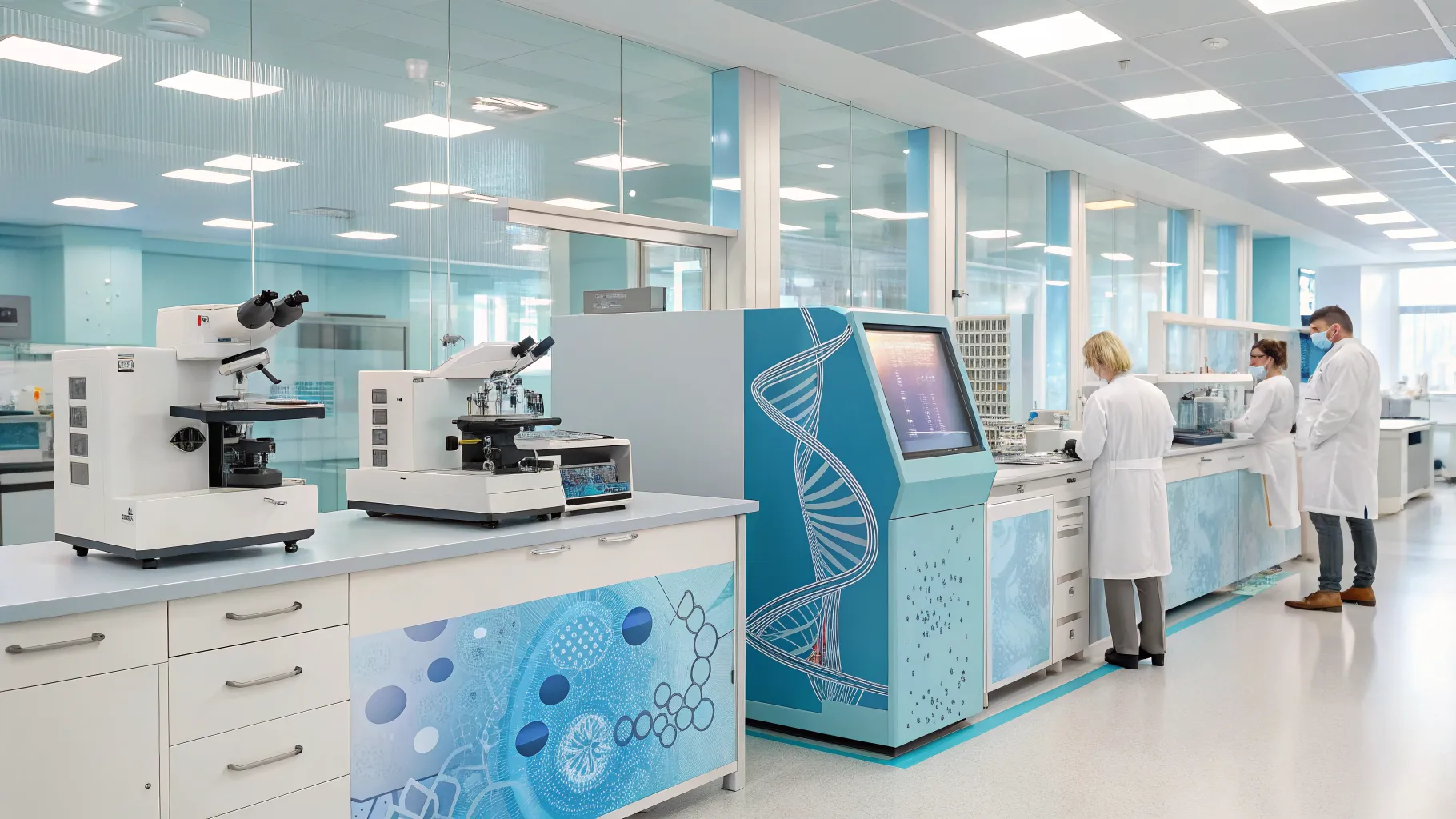
Criteria for Excellence in Oncology Research
Selecting the nation's top oncology research hospitals involves rigorous evaluation based on several critical factors. These include the volume and impact of published research, the number of clinical trials available, federal funding for cancer research, patient outcomes and survival rates, multidisciplinary team approaches, and the integration of advanced technologies. Furthermore, a commitment to developing breakthrough cancer therapies and fostering a culture of patient care innovation are paramount in distinguishing these leading institutions.
1. MD Anderson Cancer Center (Houston, Texas)
Recognized globally, MD Anderson is a beacon of hope, consistently ranking among the top cancer treatment centers. Its vast array of clinical trials, pioneering genetic research, and comprehensive patient support programs set a benchmark for leading cancer research. Patients benefit from personalized treatment plans developed by highly specialized teams.
2. Memorial Sloan Kettering Cancer Center (New York, New York)
As one of the world's oldest and largest private cancer centers, MSKCC is synonymous with excellence in cancer care. Their dedication to fundamental research translates directly into breakthrough cancer therapies, often years ahead of other institutions. They excel in surgical oncology, radiation therapy, and advanced immunotherapy research.
3. Mayo Clinic (Rochester, Minnesota)
The Mayo Clinic's integrated approach to healthcare extends to its highly acclaimed cancer center, which emphasizes collaborative care and research. Their focus on individualized medicine and robust clinical trial offerings makes them a leader in oncology research hospitals, especially for complex and rare cancers. The institution's commitment to patient care innovation is evident in its holistic support.
4. Dana-Farber Cancer Institute (Boston, Massachusetts)
Affiliated with Harvard Medical School, Dana-Farber is a world leader in adult and pediatric cancer treatment and research. Their significant contributions to understanding cancer biology and developing new drugs have positioned them at the forefront of leading cancer research, particularly in targeted therapies and immunology.
5. Cleveland Clinic Cancer Institute (Cleveland, Ohio)
The Cleveland Clinic Cancer Institute offers a multidisciplinary approach, bringing together experts from various specialties to provide comprehensive care. Their active participation in clinical trials and focus on translating scientific discoveries into practical patient solutions underscores their role as a premier cancer treatment center for developing breakthrough cancer therapies.
6. Johns Hopkins Kimmel Cancer Center (Baltimore, Maryland)
A powerhouse in cancer research, the Kimmel Cancer Center is renowned for its foundational discoveries in genetics and epigenetics that have reshaped cancer understanding. Their extensive research programs, coupled with compassionate patient care, solidify its status among the elite oncology research hospitals driving leading cancer research.
7. Abramson Cancer Center at Penn Medicine (Philadelphia, Pennsylvania)
The Abramson Cancer Center is recognized for its excellence in immunology, gene therapy, and personalized medicine. Their commitment to integrating research with patient care ensures that individuals have access to the most advanced treatments and innovative clinical trials, demonstrating significant patient care innovation.
8. UCSF Helen Diller Family Comprehensive Cancer Center (San Francisco, California)
Located in a hub of biotechnology innovation, UCSF's cancer center leverages cutting-edge technology and collaborative research to develop novel therapies. They are particularly strong in areas like neuro-oncology and cancer genomics, making significant strides in breakthrough cancer therapies.
9. Northwestern Medicine Robert H. Lurie Comprehensive Cancer Center (Chicago, Illinois)
The Lurie Cancer Center is known for its transdisciplinary research and robust clinical trial program, attracting patients with diverse cancer types. Their emphasis on preventing, detecting, and treating cancer through advanced research places them among the top oncology research hospitals.
10. Yale Cancer Center (New Haven, Connecticut)
As the only NCI-designated comprehensive cancer center in Connecticut, Yale Cancer Center offers a unique blend of world-class research and patient-centered care. Their strength in targeted therapies, immunology, and survivorship programs contributes significantly to leading cancer research and advanced patient outcomes.
Comparative Insights into Advanced Cancer Treatment Methodologies
While each of the listed oncology research hospitals demonstrates exceptional prowess, their strengths can vary, offering patients distinct advantages depending on their specific cancer type and treatment needs. For instance, institutions like MD Anderson and Memorial Sloan Kettering often lead in sheer volume of clinical trials and accessibility to the newest drugs, providing early access to breakthrough cancer therapies. Mayo Clinic and Cleveland Clinic are lauded for their highly integrated, multidisciplinary care models, ensuring every patient benefits from a collective expertise. Dana-Farber and Johns Hopkins excel in fundamental research, often uncovering the biological mechanisms that pave the way for future treatments and shaping the direction of leading cancer research. Patients seeking highly specialized care for rare cancers might find particular expertise at centers like UCSF or Yale, which often have niche programs focused on specific cancer types. The common thread among all these cancer treatment centers is their unwavering commitment to advancing medical science while providing compassionate, state-of-the-art care, showcasing continuous patient care innovation.
Choosing the Right Oncology Research Hospital for Your Needs
Research Specializations: Investigate if the hospital has a strong track record or specialized programs for your specific type of cancer. Some centers excel in breast cancer, others in lung, blood, or pediatric cancers, indicating strong leading cancer research in those areas.
Clinical Trial Access: Inquire about available clinical trials. Access to cutting-edge research trials can offer new hope and potential breakthrough cancer therapies not yet widely available.
Multidisciplinary Care Teams: Look for institutions that offer a team-based approach, involving oncologists, surgeons, radiation therapists, pathologists, and supportive care specialists working together to create a holistic treatment plan. This reflects advanced patient care innovation.
Support Services: Consider the range of supportive care services, including palliative care, nutrition counseling, psychological support, and patient navigators, which are crucial for overall well-being during treatment at these top oncology research hospitals.
Logistics and Location: While not research-related, practical considerations like travel, accommodation, and support systems are important for managing intensive treatment regimens. Sometimes, a slightly less-ranked but more accessible cancer treatment center might be a better fit.
Frequently Asked Questions
What defines an oncology research hospital?
An oncology research hospital is a medical institution dedicated to both treating cancer patients and conducting scientific research to understand, prevent, diagnose, and cure cancer. These hospitals often participate in numerous clinical trials, developing new treatments and therapies.
How do these top cancer treatment centers contribute to new therapies?
These leading cancer treatment centers contribute to new therapies through extensive laboratory research, preclinical studies, and clinical trials. They are hubs for translating scientific discoveries into practical applications, leading to breakthrough cancer therapies and improved patient outcomes.
Are all services at these oncology research hospitals covered by insurance?
Coverage varies significantly based on your insurance plan and the specific services or clinical trials. It's crucial to contact your insurance provider and the hospital's financial counseling department to understand your coverage options and potential out-of-pocket expenses when considering care at these facilities.
References
- National Cancer Institute. (n.d.). Latest Cancer Statistics.
- American Society of Clinical Oncology. (n.d.). Resources for Patients.
- World Health Organization. (n.d.). Cancer Prevention and Control.
Authored by 24Trendz team