Essential Nutritional Supplements for Robust Immune Health
Facts:
- Global demand for immune health products surged by 25% last year.
- Consumer interest in proactive immune support grew significantly for all age groups.
Understanding the Foundation of Immune Health
Maintaining a strong immune system is paramount for overall well-being, enabling the body to defend itself against pathogens and illness. In an increasingly complex world, external stressors, dietary deficiencies, and lifestyle factors can all compromise our natural defenses. This section delves into the fundamental principles of fostering robust immune health, highlighting why a comprehensive approach, including strategic dietary choices and targeted nutritional supplements, is essential. We will explore how various vitamins, minerals, and botanicals contribute synergistically to support the intricate network of cells and organs that constitute the human immune response.
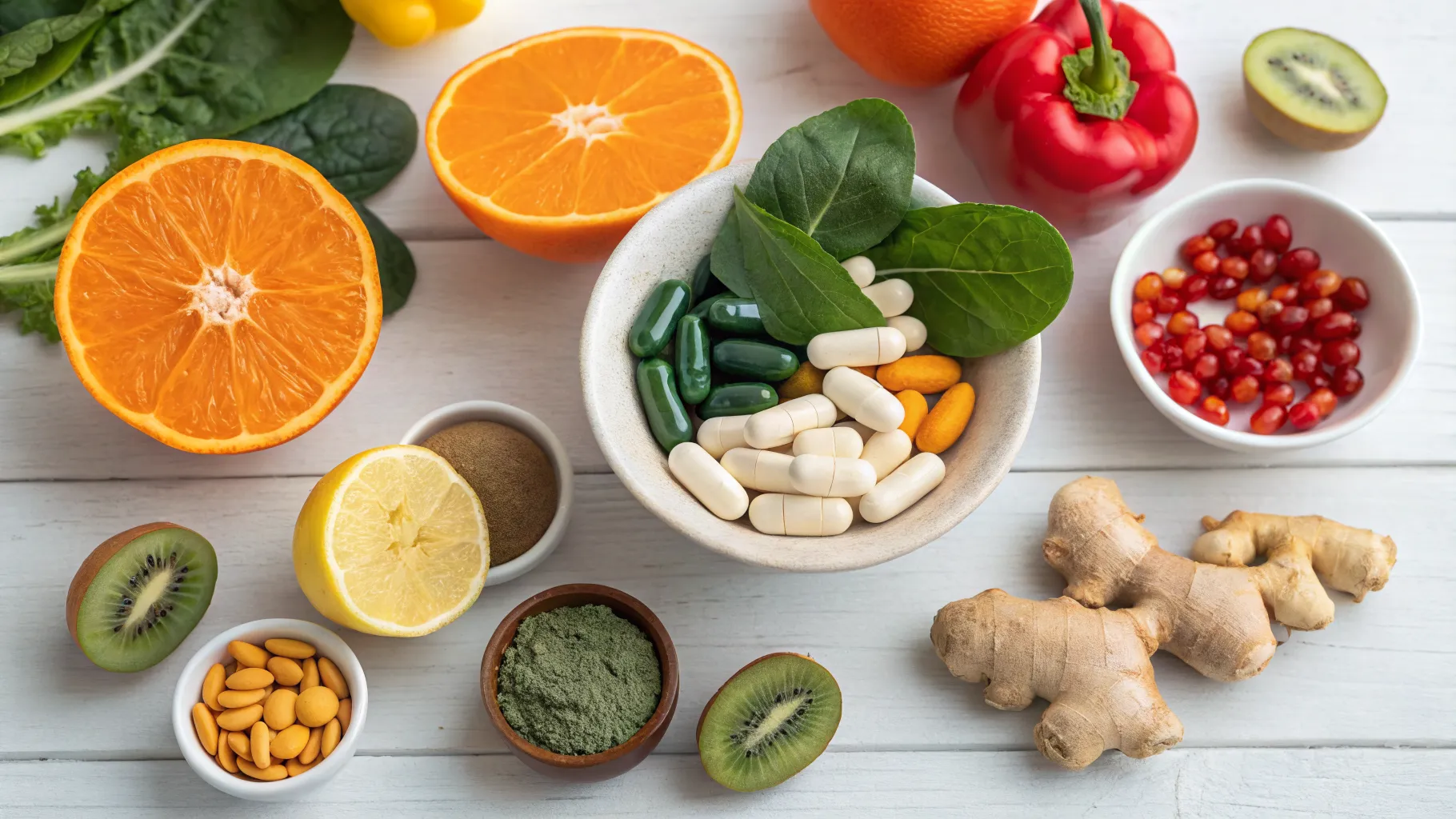
Key Nutritional Supplements for Enhanced Immune Support
When it comes to bolstering your body's defenses, certain nutritional supplements stand out for their scientifically backed benefits. These include foundational vitamins and minerals, as well as potent herbal extracts known to modulate the immune system effectively. Integrating these into a well-rounded supplement regimen can provide the extra layer of protection many individuals seek. We will explore each of these in detail, explaining their mechanisms of action and how they contribute to a resilient immune response.
Vitamin C: A Cornerstone of Immune Health
Vitamin C, also known as ascorbic acid, is perhaps the most widely recognized immune-boosting nutrient. Its role in supporting the immune system is multifaceted, acting as a powerful antioxidant that protects immune cells from damage caused by free radicals. Furthermore, Vitamin C is crucial for the production and function of various immune cells, including phagocytes and lymphocytes, which are vital for identifying and eliminating pathogens. Regular intake, whether through diet or nutritional supplements, can significantly contribute to better immune health and reduced duration of common colds.
Zinc: The Essential Trace Mineral for Immune Function
Zinc is a trace mineral that plays an absolutely critical role in over 300 enzymatic reactions in the body, many of which are directly involved in immune function. It is essential for the development and function of immune cells, including T-lymphocytes and natural killer cells, which are frontline defenders against infections. A deficiency in zinc can severely impair immune health, leading to increased susceptibility to infections. As such, maintaining adequate zinc levels through food or specific nutritional supplements is a key component of a robust immune support strategy.
Vitamin D: The Sunshine Vitamin's Immune Connection
Often referred to as the 'sunshine vitamin,' Vitamin D is not just important for bone health; it also has profound effects on the immune system. Receptors for Vitamin D are found on most immune cells, indicating its vital role in modulating both innate and adaptive immune responses. Adequate levels of Vitamin D have been linked to a reduced risk of respiratory infections and various autoimmune diseases. Given that many people are deficient, a supplement regimen including Vitamin D is often recommended to optimize immune health.
Probiotics: Supporting Immune Health from the Gut
The gut microbiome plays a surprisingly significant role in immune health, with a large proportion of the body's immune cells residing in the gut-associated lymphoid tissue (GALT). Probiotics, which are beneficial live bacteria, help maintain a healthy balance of gut flora, directly influencing the GALT and strengthening the intestinal barrier. This can prevent harmful substances and pathogens from entering the bloodstream, thereby bolstering overall immune system function. Incorporating probiotic-rich foods or a high-quality nutritional supplement can be a powerful tool for comprehensive immune support.
Elderberry: A Traditional Herbal Immune Booster
Elderberry (Sambucus nigra) has been used for centuries in traditional medicine to combat colds and flu. Modern research suggests that elderberry extracts possess antiviral properties and can help enhance the immune system's response by increasing the production of inflammatory cytokines in the body. While more research is always ongoing, many individuals find elderberry a valuable addition to their supplement regimen for proactive immune health, especially during peak cold and flu seasons. It is considered one of the leading natural nutritional supplements for seasonal wellness.
Developing Your Personalized Immune Support Regimen
Creating an effective supplement regimen for immune health requires a thoughtful and personalized approach. It's not just about taking individual supplements, but understanding how they interact and complement each other within the broader context of your lifestyle and dietary habits. Consider factors such as your current diet, stress levels, sleep patterns, and any underlying health conditions. A holistic strategy combines proper nutrition, regular physical activity, stress management, and targeted nutritional supplements to build a resilient immune system. For example, individuals with chronic stress might benefit more from adaptogens in combination with core vitamins, whereas those with dietary restrictions might need specific mineral supplementation. Always consult with a healthcare professional before starting any new supplement regimen, especially if you have pre-existing medical conditions or are taking other medications.
Practical Advice for Maximizing Immune System Resilience
- Prioritize Sleep: Aim for 7-9 hours of quality sleep nightly to allow your immune system to repair and regenerate. Lack of sleep can significantly suppress immune function.
- Manage Stress Effectively: Chronic stress releases hormones that can impair immune health. Incorporate stress-reducing activities like meditation, yoga, or spending time in nature.
- Maintain a Balanced Diet: Focus on whole, unprocessed foods rich in vitamins and minerals. Colorful fruits, vegetables, lean proteins, and healthy fats all contribute to strong immune support.
- Stay Hydrated: Drinking plenty of water helps transport nutrients, supports cellular function, and aids in the removal of toxins, all crucial for an optimal immune system.
- Engage in Regular Physical Activity: Moderate exercise can boost circulation and the activity of immune cells, enhancing your body's ability to fight off infections. Avoid overtraining, which can have the opposite effect.
- Consider Foundational Supplements: Evaluate your need for nutritional supplements like Vitamin C, zinc, and Vitamin D, especially if dietary intake is insufficient or during specific times of heightened risk.
Frequently Asked Questions
What are the best nutritional supplements for general immune health?
The best supplements often include Vitamin C, Vitamin D, zinc, and probiotics. These nutrients play crucial roles in various aspects of the immune system's function, from supporting immune cell development to acting as antioxidants and maintaining gut health.
How long does it take for nutritional supplements to boost the immune system?
The effects can vary depending on the supplement, individual deficiencies, and overall lifestyle. Some benefits might be felt within weeks, while optimizing long-term immune health can take months of consistent use and a holistic approach.
Can children take immune support supplements?
Yes, many immune support supplements are formulated for children, often in lower doses and palatable forms. However, it's essential to consult a pediatrician before giving any new nutritional supplements to children to ensure safety and appropriate dosage.
Are there any side effects from taking immune health supplements?
While generally safe when taken as directed, some nutritional supplements can cause side effects or interact with medications. For example, high doses of zinc can interfere with copper absorption. Always read labels and consult a healthcare professional, especially if you have existing health conditions.
Is it better to get vitamins from food or nutritional supplements for immune health?
Ideally, you should strive to get most of your nutrients from a balanced diet rich in whole foods. However, dietary intake alone may not always be sufficient to meet optimal levels, especially for certain vitamins like Vitamin D or during times of increased need. In such cases, high-quality nutritional supplements can play a valuable supportive role for immune health.
References
- Immunity and nutritional supplements: Current evidence and future directions.
- The role of vitamin C in immune function.
- Zinc and its role in immunity: The impact of zinc deficiency on immune cells.
- Vitamin D and the immune system: A comprehensive review.
- The gut microbiome and its impact on host immunity.
- Elderberry (Sambucus nigra) as a medicinal plant for immune support.
Authored by 24Trendz team