Stroke Recovery and Rehabilitation Stages: A Comprehensive Guide
Facts:
- Nearly 800,000 people in the U.S. have a stroke each year.
- Early and intensive rehabilitation significantly improves outcomes for stroke survivors.
Navigating the Path to Recovery: Understanding the Stages of Stroke Rehabilitation
A stroke is a life-altering event, but the journey to recovery is a structured process defined by distinct stages. Understanding these phases is crucial for both survivors and their families, as it sets realistic expectations and highlights the importance of consistent effort. The primary goal of stroke rehabilitation is to regain as much independence as possible by relearning skills lost when part of the brain was damaged. This process heavily relies on the brain's remarkable ability to reorganize itself, a concept known as neuroplasticity. Effective post-stroke care involves a multidisciplinary team of specialists who guide the patient through each stage, from the critical first hours to long-term community reintegration.
The Acute Stage: Immediate Post-Stroke Care in the Hospital
The first stage of stroke recovery begins immediately in the hospital, often in an intensive care unit (ICU) or a dedicated stroke unit. The primary focus during this acute phase is medical stabilization. Doctors work to prevent a second stroke, manage blood pressure, control brain swelling, and address any other immediate medical complications. While the patient is still medically fragile, rehabilitation starts within 24 to 48 hours. This early intervention is critical. It may involve simple, passive range-of-motion exercises to prevent joint stiffness and blood clots, as well as careful positioning in bed to reduce the risk of pressure sores and improve breathing. A rehabilitation team, including physiatrists, nurses, and therapists, will conduct an initial assessment to determine the extent of the stroke's impact on movement, speech, cognition, and swallowing. This evaluation forms the basis for the comprehensive stroke rehabilitation plan that will follow the patient into the next stage.
The Subacute Phase: Intensive Rehabilitation Begins
Once the patient is medically stable, they typically transition to the subacute stage. This phase, which can last for several weeks to months, is characterized by intensive, focused therapy. The patient may be moved to an inpatient rehabilitation facility (IRF) or a skilled nursing facility (SNF) that specializes in post-stroke care. The goal here is to maximize functional recovery through a rigorous daily therapy schedule. This is where the hard work of relearning begins. A team of therapists collaborates to create a personalized plan targeting the individual's specific deficits. Daily sessions are often divided between different types of therapy, each playing a vital role in regaining skills and adapting to new challenges. Progress is monitored closely, and the treatment plan is adjusted as the patient's abilities improve. This stage is crucial for harnessing the brain's heightened capacity for neuroplasticity following the injury.
Key Therapies in Stroke Recovery and Rehabilitation
A comprehensive stroke rehabilitation program involves several types of therapy working in concert. Each discipline addresses different aspects of the damage caused by the stroke, helping the individual relearn skills for daily living.
Physical Therapy
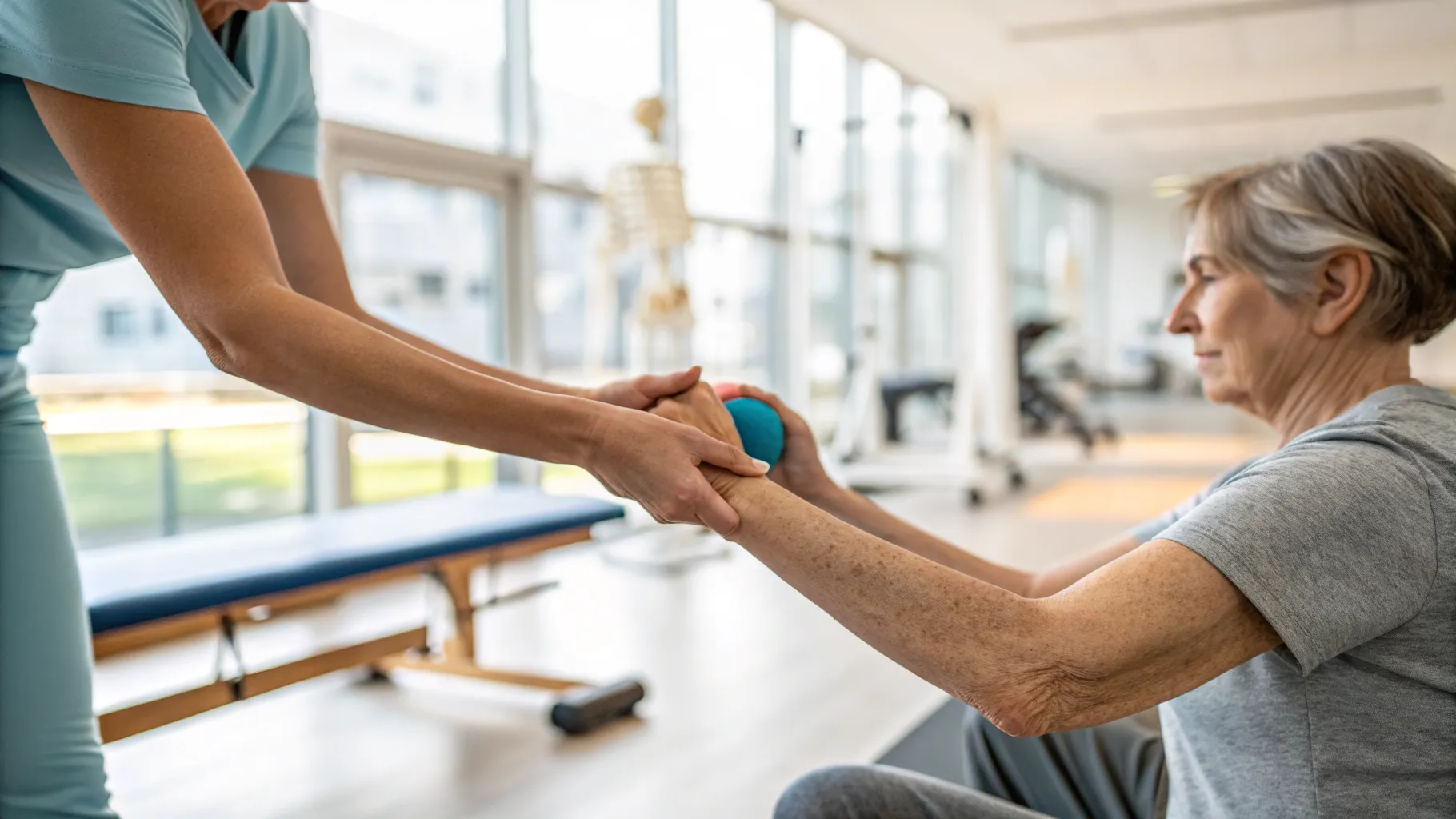
The cornerstone of motor recovery is physical therapy. Therapists focus on improving mobility, strength, balance, and coordination. Exercises are designed to retrain the brain and muscles to work together again. This can include activities like walking on a treadmill with body-weight support, practicing standing up from a chair, and exercises to strengthen weakened limbs. Advanced techniques like functional electrical stimulation (FES) may be used to help activate muscles. The ultimate goal of physical therapy is to restore the ability to walk, move, and navigate one's environment safely and independently.
Occupational Therapy
While physical therapy focuses on large motor movements, occupational therapy helps survivors relearn the skills needed for daily activities, or 'occupations'. This includes tasks like dressing, bathing, cooking, and writing. Therapists use adaptive strategies and equipment to help patients regain independence. For example, they might teach one-handed techniques for dressing or recommend specialized utensils for eating. Occupational therapy also addresses cognitive and perceptual deficits, helping patients with memory, problem-solving, and spatial awareness to navigate their daily routines successfully.
The Role of Speech-Language Pathology
Strokes can often affect the ability to communicate and swallow. A speech-language pathologist (SLP) works with patients who have aphasia (difficulty speaking or understanding language), dysarthria (slurred speech), or dysphagia (difficulty swallowing). Therapy involves exercises to strengthen the muscles of the mouth and throat, strategies to improve comprehension and word-finding, and learning safe swallowing techniques to prevent aspiration. The SLP's role is critical for restoring not just communication but also safety during meals.
The Chronic Stage: Long-Term Management and Continued Improvement
The chronic stage of stroke recovery begins months after the stroke and continues for the rest of the survivor's life. While the most rapid recovery often occurs in the first three to six months, improvement is still possible for years. The focus in this stage shifts from intensive inpatient therapy to outpatient services, home-based exercises, and community reintegration. This is a period of adaptation and long-term management of any remaining deficits. Continued physical therapy and occupational therapy may be necessary to maintain gains and prevent decline. Support groups and psychological counseling can also be invaluable, helping survivors and their families cope with the emotional and social challenges of living with the long-term effects of a stroke. The principle of neuroplasticity doesn't stop, and engaging in new and challenging activities can continue to foster brain recovery.
Actionable Advice for Patients and Caregivers
The recovery journey is a marathon, not a sprint. Consistency and a positive mindset are key. Here are some actionable steps to support the post-stroke care process:
- Celebrate Small Victories: Recovery is often slow and incremental. Acknowledge and celebrate every small achievement, whether it's lifting a finger for the first time or taking a few independent steps. This helps maintain motivation.
- Stay Consistent with Exercises: The home exercise program provided by therapists is crucial. Repetition is how the brain relearns. Make therapy a non-negotiable part of the daily routine.
- Adapt the Home Environment: Work with an occupational therapist to make modifications at home. This can include installing grab bars in the bathroom, removing tripping hazards like rugs, and ensuring frequently used items are within easy reach.
- Engage in Cognitive Stimulation: Just as the body needs exercise, so does the brain. Engage in activities like puzzles, reading, or learning a new skill to promote cognitive function and support neuroplasticity.
- Seek Support: Caregiving is demanding. Both patients and caregivers should connect with support groups, either in person or online. Sharing experiences with others who understand can be incredibly therapeutic and empowering.
Frequently Asked Questions
How long does stroke rehabilitation take?
The timeline for stroke rehabilitation varies greatly for each individual. The most significant recovery typically happens in the first 3-6 months post-stroke, but improvements can continue for years. The duration and outcome depend on the stroke's severity, the patient's overall health, and the consistency of therapy.
What is neuroplasticity and why is it important in post-stroke care?
Neuroplasticity is the brain's ability to reorganize itself by forming new neural connections. It's the fundamental principle behind stroke recovery. Rehabilitation therapies, like physical therapy and occupational therapy, are designed to stimulate this process, encouraging healthy parts of the brain to take over functions from damaged areas.
Can a stroke survivor make a full recovery?
While some people may make a full recovery, many survivors are left with some level of long-term disability. However, the goal of stroke rehabilitation is to maximize functional independence and quality of life, allowing individuals to live active, fulfilling lives despite any remaining challenges.
References
- American Stroke Association Guidelines for Adult Stroke Rehabilitation and Recovery
- National Institute of Neurological Disorders and Stroke (NINDS) Stroke Information
- Journal of Neurology, Neurosurgery & Psychiatry: Recovery after Stroke
- The Role of Neuroplasticity in Stroke Rehabilitation - A Review
Authored by 24Trendz team