Gallbladder Surgery and Recovery Time: A Complete Guide
Facts:
- Laparoscopic surgery is the most common removal method.
- Full recovery and return to all activities can take 4-6 weeks.
Navigating Your Cholecystectomy: From Pre-Op to Full Recovery
Undergoing gallbladder surgery, medically known as a cholecystectomy, is a common procedure to resolve issues like gallstones and inflammation. Understanding the process is key to a smooth and speedy recuperation. The vast majority of these procedures are performed using a minimally invasive technique called laparoscopic cholecystectomy, which involves several small incisions instead of one large one. This modern approach significantly reduces pain, scarring, and the overall gallbladder surgery recovery time, allowing patients to return to their lives much faster than with traditional open surgery. This guide will walk you through each phase of the recovery journey, providing clear expectations and actionable advice.
What to Expect Immediately After Your Procedure
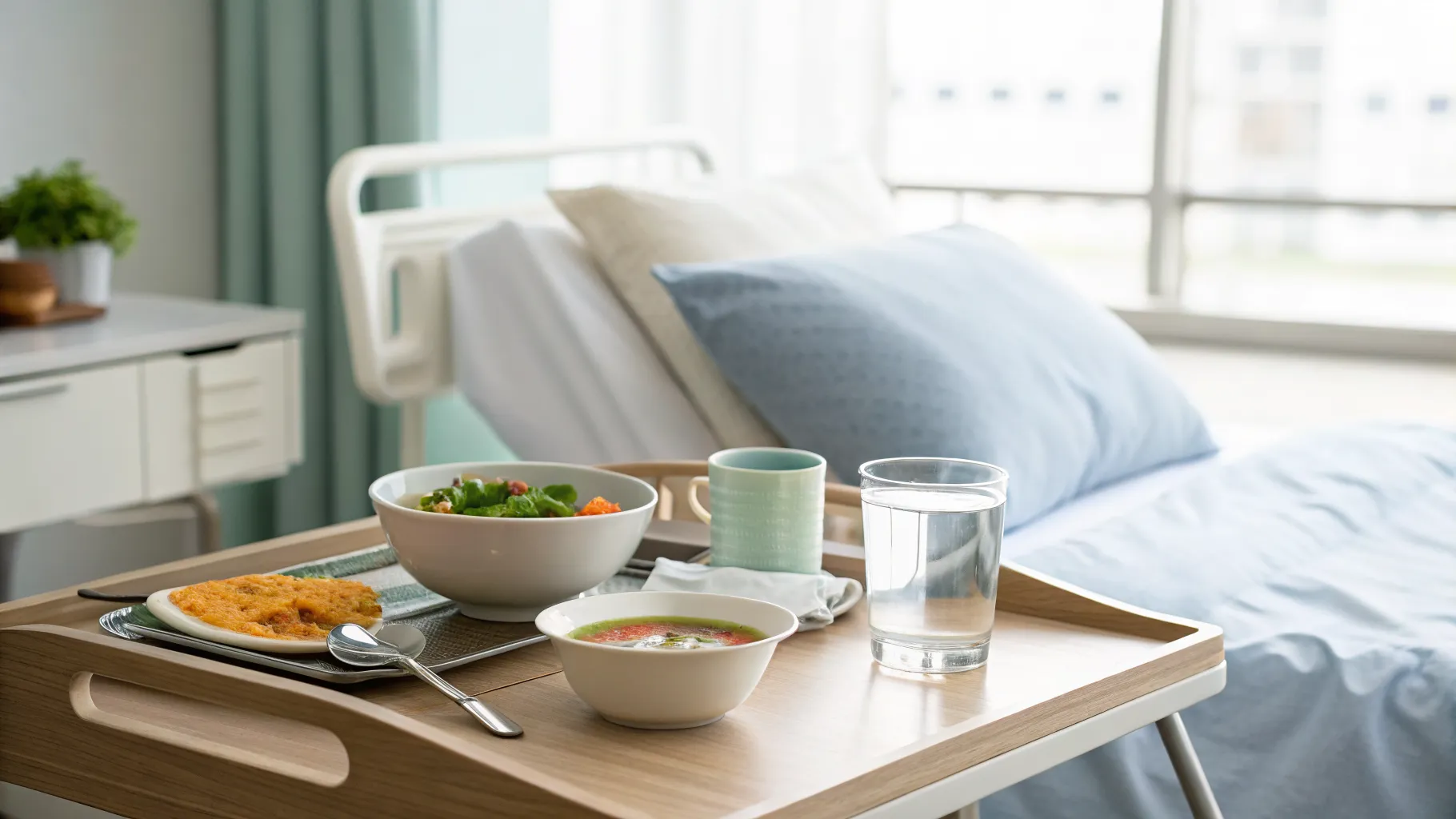
The first 24 hours after your cholecystectomy are spent in a recovery area where medical staff will monitor your vital signs as the anesthesia wears off. You will likely experience some pain around the incision sites and potentially some shoulder pain, which is a common side effect of the gas used to inflate your abdomen during the laparoscopic procedure. Pain medication will be administered to keep you comfortable. For a laparoscopic cholecystectomy, you may be discharged the same day or require a one-night hospital stay for observation. Before you leave, you will receive detailed instructions on wound care, medications, and dietary restrictions to ensure a successful start to your gallbladder removal recovery at home.
The First Week of Gallbladder Removal Recovery at Home
The first week at home is a critical period for healing. Rest is paramount. While you should avoid strenuous activity and lifting anything heavy, it is important to walk around for short periods several times a day to promote blood circulation and prevent blood clots. Your diet will be a major focus; you'll start with clear liquids and gradually move to solid, low-fat foods. Pain should become more manageable each day, and you can typically control it with prescribed or over-the-counter pain relievers. It's essential to keep the small incision sites clean and dry. Follow your surgeon's specific instructions for showering and watch for any signs of infection, such as increasing redness, swelling, or drainage. This initial phase sets the foundation for the entire gallbladder surgery recovery time.
Your Post-Op Diet: Eating After Gallbladder Removal
Adjusting your diet is one of the most important aspects of your gallbladder removal recovery. Without a gallbladder to store and concentrate bile, your digestive system needs time to adapt to digesting fats. A carefully managed post-op diet can prevent discomfort like diarrhea, bloating, and gas. The primary goal is to reintroduce foods slowly and focus on low-fat options. Large, heavy meals can overwhelm your system, so eating smaller, more frequent meals throughout the day is often recommended. Hydration is also key, so drink plenty of water. Over time, most people can return to a relatively normal diet, but paying attention to how your body reacts to different foods, especially fatty ones, is crucial for long-term comfort.
Foods to Gradually Introduce
- Lean Proteins: Start with foods like skinless chicken, turkey, and fish that are baked or grilled, not fried.
- Fiber-Rich Foods: Slowly add soluble fiber from sources like oats and barley, as well as cooked vegetables and mild fruits. Fiber can help normalize bowel movements.
- Healthy Fats: Once you are ready, introduce healthy fats in small amounts, such as those found in avocado or olive oil, rather than saturated or trans fats from processed foods.
- Low-Fat Dairy: Opt for skim milk, yogurt, and low-fat cheeses as you reintroduce dairy into your diet.
Timeline for Returning to Normal Activities
While everyone heals at a different pace, there is a general timeline for resuming activities. The complete gallbladder surgery recovery time can be broken down into stages. Most people with desk jobs can return to work within one to two weeks after a laparoscopic cholecystectomy. If your job is physically demanding, you may need three to four weeks off. Driving is usually permitted once you are no longer taking prescription pain medication and can comfortably make sudden movements. Light exercise, such as walking, can be done throughout recovery, but strenuous exercise, contact sports, and heavy lifting (anything over 10-15 pounds) should be avoided for at least four to six weeks, or until you are cleared by your surgeon. Patience is key to avoiding setbacks.
When to Contact Your Doctor
A smooth recovery is the goal, but it's vital to know the warning signs of potential complications. Do not hesitate to contact your surgeon's office if you experience any of the following symptoms. Proactive communication ensures any issues are addressed promptly, which is essential during the gallbladder removal recovery period. Monitor your health closely and listen to your body.
- Fever exceeding 101°F (38.3°C)
- Worsening pain, swelling, redness, or bleeding from the incision sites
- Pus or foul-smelling drainage from any incision
- Persistent nausea or vomiting that prevents you from keeping fluids down
- Yellowing of your skin or eyes (jaundice)
- Severe abdominal pain or swelling
- No bowel movement or inability to pass gas for more than three days
Frequently Asked Questions
How long is the typical gallbladder surgery recovery time?
For a laparoscopic cholecystectomy, most people feel significantly better within a week and can return to most normal activities within two weeks. However, full recovery, including the ability to perform strenuous exercise and heavy lifting, typically takes four to six weeks. Recovery from open surgery is longer, often requiring six to eight weeks.
What is the recommended post-op diet after gallbladder removal?
The ideal post-op diet is low in fat, especially in the first month after surgery. You should start with clear liquids, move to bland foods like toast and rice, and then gradually reintroduce lean proteins and cooked vegetables. It's crucial to avoid fried, greasy, and high-fat foods to prevent digestive distress while your body adapts.
Can I live a normal life after a cholecystectomy?
Yes, absolutely. The gallbladder is an organ you can live without. After the initial gallbladder removal recovery period, the vast majority of people return to living a completely normal, healthy, and pain-free life. You may need to be mindful of your fat intake long-term, but most people can enjoy a full and varied diet.
References
- National Institute of Diabetes and Digestive and Kidney Diseases (NIDDK)
- American College of Surgeons
- SAGES: Society of American Gastrointestinal and Endoscopic Surgeons
- Journal of Surgical Endoscopy
Authored by 24Trendz team