Ultimate Guide to Crohn's Disease Flare Up Prevention and Management
Facts:
- Crohn's disease is a type of inflammatory bowel disease (IBD).
- Personalized nutrition is a key trend for individuals seeking effective Crohn's disease management.
Proactive Strategies for Maintaining Remission in Crohn's Disease
Preventing a Crohn's disease flare-up is a primary goal for anyone living with this chronic condition. It involves a multi-faceted approach that goes beyond medication. Effective Crohn's disease management is about creating a sustainable lifestyle that supports gut health, minimizes triggers, and maintains a state of remission. Understanding your personal triggers, whether dietary, environmental, or psychological, is the first and most critical step. This guide delves into proven, actionable strategies that empower you to take control, from fine-tuning your IBD diet to implementing powerful techniques for managing stress, all with the aim of reducing the frequency and severity of flare-ups and improving your overall quality of life.
The Cornerstone of Prevention: Your IBD Diet
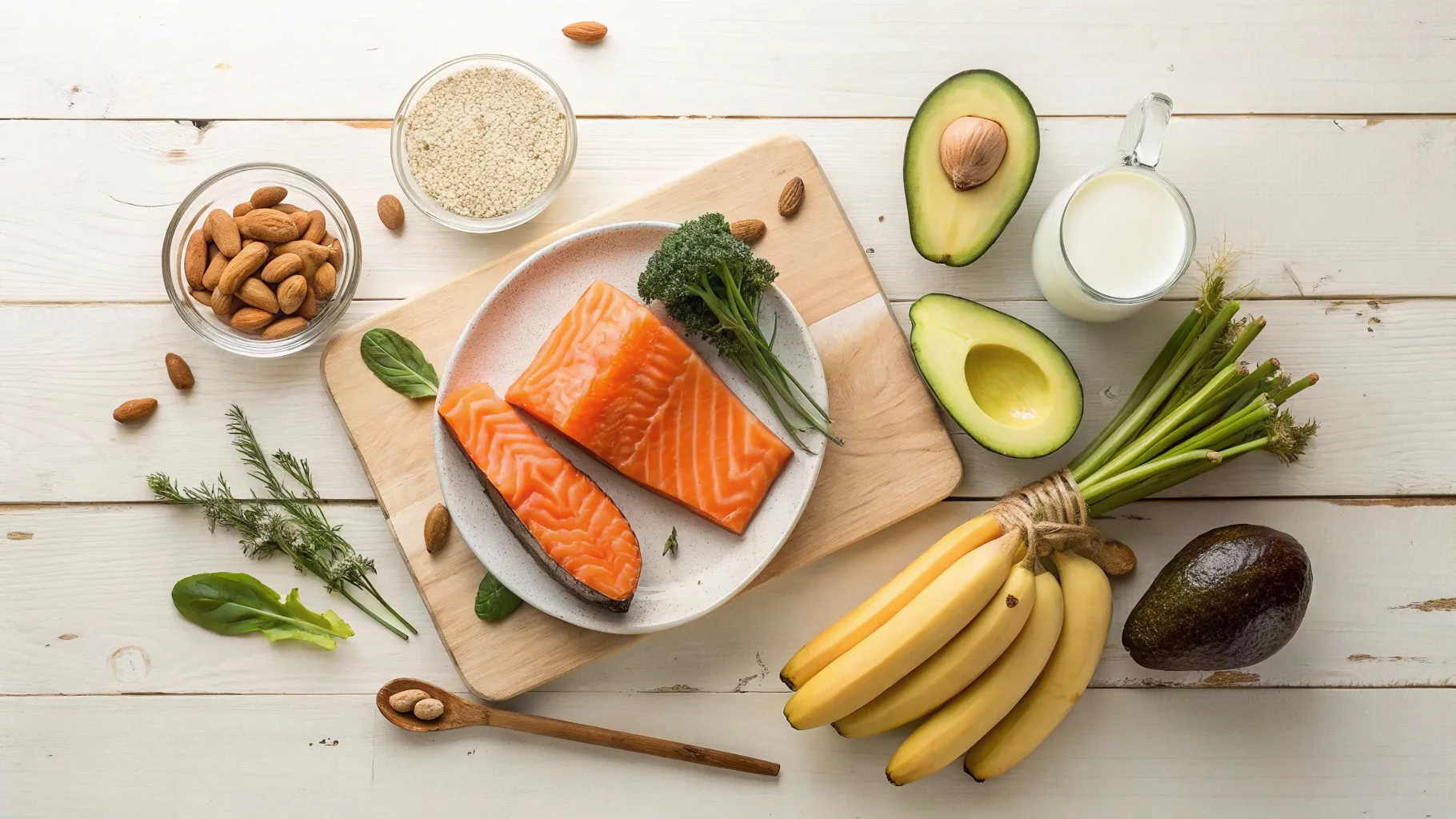
Diet plays a pivotal role in managing Crohn's disease. While there is no one-size-fits-all diet, a personalized IBD diet is crucial for preventing flares. The primary goal is to consume nutrient-dense foods that are easy to digest and do not irritate the intestinal lining. Many people find success with low-fiber, low-residue diets during sensitive periods, focusing on cooked vegetables, lean proteins, and refined grains. Keeping a detailed food journal is an invaluable tool in your Crohn's disease management toolkit. By tracking what you eat and how you feel, you can identify specific trigger foods—common culprits include dairy, spicy foods, high-fat foods, and certain raw vegetables. The aim is to reduce inflammation by avoiding these triggers and embracing foods that soothe the gut, such as bone broth, bananas, and well-cooked salmon. Working with a registered dietitian specializing in IBD can provide tailored guidance to ensure you meet your nutritional needs without compromising your digestive comfort.
Lifestyle Adjustments for Comprehensive Crohn's Disease Management
Beyond diet, certain lifestyle habits can significantly influence disease activity. Consistent, gentle exercise, such as walking, swimming, or yoga, has been shown to reduce inflammation and improve stress levels, both of which are beneficial for preventing flare-ups. It's important to listen to your body and avoid overly strenuous activities, especially when you feel fatigued. Adequate sleep is another non-negotiable component of effective Crohn's disease management. Poor sleep can disrupt immune function and increase inflammation, making you more susceptible to a flare. Aim for 7-9 hours of quality sleep per night by establishing a regular sleep schedule and creating a relaxing bedtime routine. Furthermore, quitting smoking is one of the most impactful changes you can make, as smoking is a major risk factor for worsening Crohn's disease and triggering flares.
The Mind-Gut Connection: Managing Stress to Prevent Flares
The link between the brain and the gut is incredibly powerful, and psychological stress is a well-documented trigger for Crohn's flare-ups. Therefore, actively managing stress is not an option but a necessity. When you're stressed, your body releases hormones like cortisol, which can increase intestinal permeability and ramp up the inflammatory response. Incorporating stress-reduction techniques into your daily routine can make a profound difference. Practices like mindfulness meditation, deep breathing exercises, and progressive muscle relaxation can help calm the nervous system. Engaging in hobbies that you enjoy, spending time in nature, and maintaining strong social connections also provide a buffer against the negative effects of stress. For some, cognitive-behavioral therapy (CBT) can be an effective tool for reframing negative thought patterns and developing healthier coping mechanisms for life's challenges, directly contributing to better disease control.
Practical Steps to Reduce Inflammation and Support Gut Health
Taking proactive, daily steps is key to keeping inflammation at bay and preventing flare-ups. This involves a consistent and mindful approach to your health. Here are some actionable tips to integrate into your routine for better Crohn's disease management:
- Stay Hydrated: Dehydration can worsen digestive symptoms. Drink plenty of water throughout the day. Avoid sugary drinks and excessive caffeine, which can be irritating. Proper hydration helps maintain mucosal function in the gut.
- Consider Probiotics and Prebiotics: With your doctor's guidance, incorporating foods rich in probiotics (like yogurt with live cultures or kefir) and prebiotics (like bananas or oats) can help support a healthy gut microbiome, which is often imbalanced in IBD. A balanced gut flora is essential to reduce inflammation.
- Adhere to Your Medication Plan: Medication is a critical part of preventing flares. Always take your prescribed medications as directed by your gastroenterologist, even when you are feeling well. Abruptly stopping medication can trigger a severe relapse.
- Plan Meals in Advance: Avoid being caught off guard with unsafe food choices. Planning your meals and snacks based on your personalized IBD diet ensures you always have gut-friendly options available, reducing the risk of consuming a trigger food.
Frequently Asked Questions
What is the most effective approach to Crohn's disease management?
The most effective approach is a comprehensive and personalized one that combines prescribed medical treatments with strategic dietary modifications, consistent stress management techniques, and healthy lifestyle habits. There is no single magic bullet; success lies in consistently applying these principles and working closely with your healthcare team to adjust the plan as needed.
Can a specific IBD diet completely prevent a Crohn's flare-up?
While a carefully managed IBD diet can significantly reduce the frequency and severity of flare-ups for many individuals, it may not prevent them entirely. Crohn's disease is complex, and other factors like stress, illness, or medication changes can also act as triggers. The goal of the diet is to minimize dietary irritation and reduce inflammation, which is a major part of prevention.
How important is managing stress for preventing Crohn's flares?
Managing stress is critically important. The strong mind-gut connection means that high levels of psychological stress can directly trigger an inflammatory response in the intestines, leading to a flare-up. Integrating regular stress-reduction practices like meditation, gentle exercise, and therapy is a fundamental component of a proactive prevention strategy.
References
- Journal of Gastroenterology and Hepatology Studies
- The Crohn's & Colitis Foundation Guidelines
- National Institute of Diabetes and Digestive and Kidney Diseases (NIDDK)
- Advances in Modern Nutrition and IBD
Authored by 24Trendz team