Home Cryotherapy Chambers for Weight Loss: An Objective Analysis of Technology, Metabolic Claims, and Clinical Evidence
Proponents of advanced body contouring often highlight home cryotherapy chambers for weight loss as a cutting-edge method to stimulate metabolism, reduce stubborn fat deposits, and accelerate overall energy expenditure. The conceptual appeal is thermodynamically straightforward: exposing the human body to extreme cold forces the system to consume energy to restore its core temperature, theoretically triggering thermogenesis and activating calorie-burning adipose tissue. However, while commercial manufacturers and local wellness studios frequently promise substantial physiological transformations, clinical researchers and regulatory bodies maintain a much more conservative stance regarding the actual efficacy of these cold-exposure systems for sustainable fat reduction.
Understanding the distinction between localized fat-freezing technologies, such as cryolipolysis, and whole-body cryotherapy is essential when evaluating these home systems. While non-invasive localized devices target specific subcutaneous fat cells to induce apoptosis, whole-body cryotherapy chambers rely on systemic cold shock to elicit physiological responses. To provide a balanced perspective for consumers, this article objectively analyzes the engineering designs of residential chambers, reviews the latest clinical trials, outlines technical requirements, and examines the associated safety and regulatory concerns.
The Physiological Mechanisms of Systemic Cold Exposure
Whole-body cryotherapy involves exposing the surface of the body to extreme temperatures, typically ranging from -110°C to -140°C, for a brief duration of 2 to 4 minutes 9. On a cellular and vascular level, this sudden drop in skin temperature triggers immediate vasoconstriction, diverting blood away from the extremities and toward the vital organs to preserve core warmth 5. Once the individual exits the cold environment and begins to rewarm, vasodilation occurs, causing oxygen-rich blood to recirculate rapidly through the tissues to clear metabolic waste 5.
From a metabolic perspective, the rapid cooling of the skin triggers a sympathetic nervous system response, leading to a temporary increase in norepinephrine levels and a brief spike in the resting metabolic rate 5. This physiological reaction is known as cold-induced thermogenesis. However, while this survival mechanism does require energy, clinical measurements indicate that the immediate metabolic demand is modest, contradicting the larger figures often cited in popular wellness literature.
Evaluating the 2025 Clinical Evidence on Cryotherapy and Weight Loss
To assess the validity of fat-reduction claims, researchers have conducted rigorous clinical investigations to measure actual energy expenditure. A landmark 2025 randomized controlled trial specifically examined whether whole-body cryotherapy enhanced weight loss when integrated into a structured diet and exercise regimen 16. The trial divided participants into two primary cohorts: one group following a standard exercise and dietary plan alone, and a second group combining the same lifestyle modifications with regular whole-body cryotherapy sessions 16.
The findings of the 2025 trial revealed several important realities concerning systemic cold therapy:
- Metabolic Rate & Weight Loss: The addition of whole-body cryotherapy did not produce statistically significant enhancements in weight loss outcomes or resting metabolic rates compared to the exercise-and-diet control group 16.
- Brown Adipose Tissue (BAT): PET-CT imaging demonstrated that the cold exposure protocol failed to activate brown adipose tissue to a degree that altered systemic fat metabolism 16.
- Realistic Caloric Expenditure: Precision metabolic testing indicated that a standard 3-minute cryotherapy session burns approximately 50 to 80 calories to assist in rewarming, which is far lower than the 500 to 800 calories often claimed by equipment marketers 16.
Design Variations in Residential Cryotherapy Chambers
For individuals considering a residential installation, the market offers distinct engineering approaches to achieve ultra-low temperatures. The first category consists of electric cryotherapy chambers, such as the ChillyBox, which function as walk-in or head-in systems that operate down to -100°C 1. These fully electric models rely entirely on specialized refrigeration compressors, eliminating the need to handle, store, or regularly replenish liquid nitrogen 1. Electric units are generally favored for home settings due to their lower daily operating costs and simplified logistical requirements 1.
The second category comprises nitrogen-cooled chambers, which utilize liquid nitrogen evaporation to rapidly drop the ambient temperature to therapeutic levels, sometimes reaching as low as -196°C 2. Devices like the °CRYO Arctic or the Antarctica Nitrogen Chamber are designed to deliver consistent, intense cooling throughout the cabin 3, 9. While nitrogen systems can achieve lower temperatures more rapidly than standard electric units, they require specialized high-pressure ventilation, dedicated gas storage, and ongoing liquid nitrogen deliveries, which can complicate residential integration.
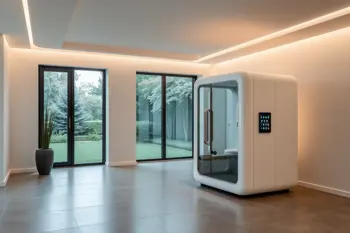
To illustrate the technical differences between these systems, the following table compares representative specifications of electric and nitrogen-based residential models:
| System Parameter | Electric Home Chamber (e.g., ChillyBox) | Nitrogen-Cooled Chamber (e.g., °CRYO Arctic) |
|---|---|---|
| Minimum Temperature | -100°C 1 | -140°C to -196°C 2, 3 |
| Cooling Technology | Compressor Refrigeration 1 | Liquid Nitrogen Evaporation 2 |
| Power Consumption | 1.6 kW (Standard 230V / 10A supply) 1 | Varies (Requires high-capacity ventilation) |
| Consumable Costs | Electricity only (~25p per hour of run-time) 1 | Liquid nitrogen supply (~12 liters per session) 3 |
| Safety Considerations | Low oxygen risk is absent; requires normal dry air 1 | Requires active oxygen monitors & exhaust 9 |
Alternative Home Technologies: Contrast and Thermal Shock
Beyond standard whole-body cold chambers, alternative modalities combine extreme temperatures to stimulate local tissues. Thermal contrast devices, such as the °CRYO Wave, utilize calibrated cycles of heating and cooling (ranging from -6°C to +40°C) to induce a controlled localized inflammatory response in targeted fat deposits 15. This alternating cycle is designed to support tissue tightening and body contouring in localized areas where subcutaneous fat may be resistant to conventional exercise 15.
Similarly, advanced thermal capsule systems, such as the HotCRYO Chamber, combine infrared heating up to 36.6°C with moderate cryotherapy and low-impact exercise ropes 12, 14. These multi-technology platforms aim to improve metabolic function, soothe muscle soreness, and support rehabilitation simultaneously 12. Because they do not require the extreme electrical or chemical infrastructure of a full -140°C chamber, these thermal contrast capsules are increasingly explored as versatile alternatives for home wellness spaces.
Regulatory Standards and Consumer Safety Guidelines
When implementing cryotherapy equipment at home, safety protocols and regulatory realities must be carefully evaluated. The U.S. Food and Drug Administration (FDA) has not cleared or approved any whole-body cryotherapy device for the treatment of obesity, direct weight loss, or medical fat reduction. Furthermore, the Federal Trade Commission (FTC) has actively issued formal warnings to manufacturers and marketers who present unsubstantiated health, medical, or rapid weight-loss claims regarding cryotherapy products.
Operating a cryogenic system inside a home environment presents several practical and medical risks that require professional oversight:
- Oxygen Displacement: Nitrogen-cooled systems carry a risk of asphyxiation if nitrogen gas leaks into unventilated spaces, making active oxygen-level sensors and exhaust systems mandatory safety features 9.
- Tissue and Nerve Damage: Direct, unprotected exposure to extreme cold can result in frostbite, cutaneous blistering, or superficial nerve damage if session times exceed 3 to 4 minutes 1, 2.
- Cardiovascular Strain: The intense vasoconstriction caused by sudden cold exposure can temporarily elevate blood pressure, making these systems contraindicated for individuals with pre-existing hypertension or cardiac conditions.
- Structural and Electrical Prep: Many heavy-duty home systems weigh upwards of 350 kg 1 and require dedicated electrical lines, proper room dehumidification (ideally 30% to 50%), and stable ambient temperatures to prevent internal frost buildup 1.
Strategic Integration Within a Holistic Wellness Plan
In summary, while home cryotherapy chambers do not serve as standalone solutions for significant or rapid weight loss, they can play a supportive role in a comprehensive wellness, recovery, and fitness program. The true utility of a residential chamber lies in its documented physiological benefits: reducing systemic inflammation, alleviating post-exercise muscle soreness, and modulating the nervous system to improve sleep quality and overall mood 5. By accelerating physical recovery, these systems can help individuals maintain a highly active lifestyle, indirectly supporting long-term metabolic health and body composition goals.
Before investing in residential cryotherapy technology, consumers should consult with medical professionals to assess cardiovascular readiness and verify that their home infrastructure can safely accommodate the electrical, structural, and ventilation requirements of these high-performance devices.
Sources
- The Time Machine Clinic - The Chilly Box Electric Home Cryotherapy Chamber Specifications: https://timemachineclinic.com/home-electric-cryotherapy-chamber-chillybox/
- Rlab Cryotherapy Chamber Technical Features: https://www.rejuve-lab.com/cryotherapy-chamber.html
- °CRYO Arctic Whole Body Cryotherapy Specifications: https://cryo.com/cryo-arctic/
- Atria Health Library - The Science and Molecular Effects of Cryotherapy: https://content.atria.org/article/the-science-of-cryotherapy/
- Vacuactivus Antarctica Nitrogen Cryotherapy Chamber Safety: https://vacuactivus.com/allproducts/cryotherapy-chambers/cryostar-antarctica/
- Medstarcom HotCRYO Chamber Multi-Therapy Specifications: https://medstarcom.com/catalog/hotcryo-chamber/hotcryo-chamber/
- Vacuactivus HotCRYO Chamber User and Support Guide: https://www.saunafitrecovery.com/products/hotcryo-chamber/
- °CRYO Wave Thermal Shock Therapy Technology Details: https://cryo.com/cryo-wave/
- BestDosage Clinical Analysis of Cryotherapy Weight Loss Claims: https://www.bestdosage.com/blog/does-cryotherapy-help-you-lose-weight
Authored by 24Trendz team