A Comprehensive Guide to Psoriatic Arthritis Skin and Joint Care
Facts:
- Psoriatic Arthritis (PsA) affects both the skin and joints.
- Holistic PsA management is a growing trend for patients.
Understanding the Dual Challenge of Psoriatic Arthritis
Psoriatic Arthritis presents a unique and complex challenge, as it simultaneously targets two different systems in the body: the skin and the joints. This autoimmune condition stems from underlying inflammation that can manifest as the scaly, red patches of psoriasis on the skin and the painful, stiff, and swollen joints characteristic of arthritis. Effective PsA management requires a comprehensive approach that addresses both aspects of the disease. Simply focusing on one area while neglecting the other can lead to incomplete relief and a diminished quality of life. A successful strategy for managing Psoriatic Arthritis involves integrating treatments and lifestyle adjustments that provide relief from both dermatological and rheumatological symptoms, ultimately aiming to reduce pain, preserve joint function, and clear the skin.
Effective Strategies for Psoriatic Arthritis Skin Care
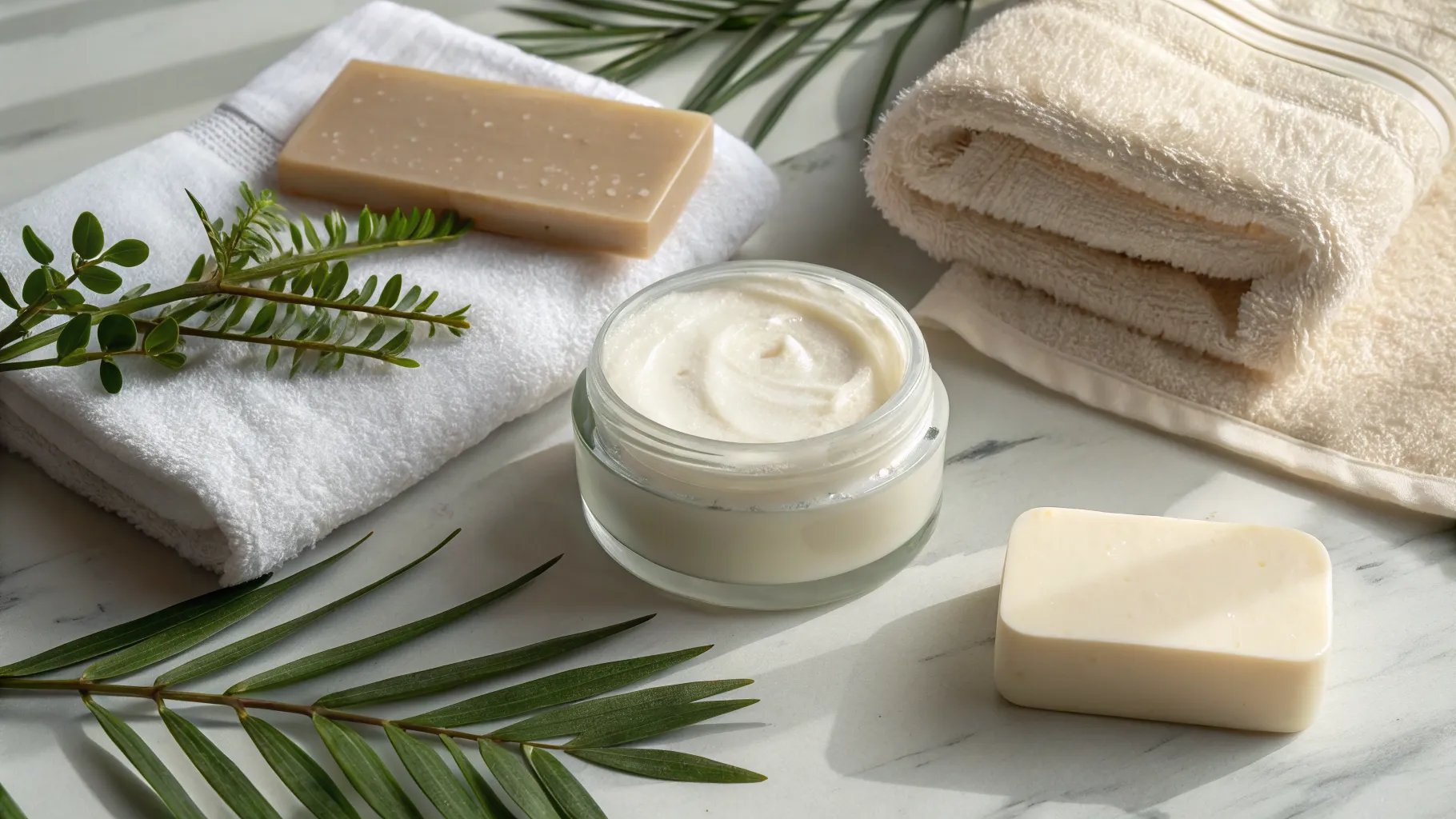
Managing the skin component of PsA is crucial for comfort and confidence. The cornerstone of Psoriatic Arthritis skin care is consistent moisturization. Applying a thick, fragrance-free emollient or cream multiple times a day, especially after bathing, helps to lock in moisture, reduce scaling, and soothe irritation. Choose gentle, non-soap cleansers to avoid stripping the skin of its natural oils, which can exacerbate dryness and inflammation. When dealing with psoriatic plaques, certain topical treatments can be very effective. These may include over-the-counter products with salicylic acid to help lift scales, or prescription-strength corticosteroids and vitamin D analogues to reduce inflammation control and slow down the rapid production of skin cells. Protecting your skin from injury (the Koebner phenomenon) and sunburn is also a key part of managing Psoriatic Arthritis, as trauma can trigger new psoriasis lesions.
Alleviating Psoriatic Arthritis Joint Pain and Stiffness
Addressing joint health is paramount to maintaining mobility and preventing long-term damage. The primary goal for managing Psoriatic Arthritis joint pain is to control the underlying inflammation. This is often achieved through a combination of medication and lifestyle therapies. Low-impact exercises such as swimming, cycling, and yoga are highly recommended. They help to maintain range of motion, strengthen the muscles that support the joints, and reduce stiffness without putting excessive strain on them. Physical and occupational therapists can provide tailored exercise programs and teach joint protection techniques for daily activities. Simple modifications, like using assistive devices to open jars or choosing ergonomically designed tools, can make a significant difference. Consistent, gentle movement is key; long periods of inactivity can worsen stiffness, a common complaint in PsA management.
The Critical Role of Diet in Managing Psoriatic Arthritis
While there is no specific 'PsA diet,' many individuals find that their dietary choices can significantly impact their symptoms. The focus should be on an anti-inflammatory eating pattern, which is central to effective inflammation control. This approach involves a diet rich in fruits, vegetables, lean proteins, and healthy fats, while minimizing processed foods, red meat, sugar, and refined carbohydrates. Foods high in omega-3 fatty acids, such as salmon, flaxseeds, and walnuts, are known for their anti-inflammatory properties and can be beneficial for both Psoriatic Arthritis skin care and joint health. Some people may also identify specific trigger foods that worsen their flares. Keeping a food diary can help pinpoint these sensitivities. Maintaining a healthy weight is also a crucial aspect of PsA management, as excess body weight places additional stress on weight-bearing joints like the knees and hips, potentially increasing Psoriatic Arthritis joint pain.
Medical Treatments and a Collaborative Healthcare Team
A successful plan for managing Psoriatic Arthritis almost always involves a coordinated effort with a healthcare team, typically including a rheumatologist and a dermatologist. Medical treatments are designed to target the systemic inflammation that drives the disease. Medications range from nonsteroidal anti-inflammatory drugs (NSAIDs) for mild pain to more powerful disease-modifying antirheumatic drugs (DMARDs) and biologics. Biologics are advanced therapies that target specific parts of the immune system responsible for the inflammation. They can be highly effective in improving both skin and joint symptoms, making them a cornerstone of modern PsA management. It is essential to have open communication with your doctors to find the treatment regimen that works best for you, balancing efficacy with potential side effects for long-term inflammation control.
Integrating Daily Habits for Holistic PsA Management
True success in managing Psoriatic Arthritis comes from integrating various strategies into a cohesive daily routine. This holistic approach combines medical treatments with self-care practices.
- Stress Reduction: Chronic stress is a known trigger for both psoriasis and arthritis flares. Incorporating stress-management techniques like mindfulness, meditation, or deep-breathing exercises can be a powerful tool for inflammation control.
- Prioritize Sleep: Adequate sleep is essential for immune system regulation and tissue repair. Aim for 7-9 hours of quality sleep per night to help manage fatigue and reduce pain sensitivity associated with Psoriatic Arthritis joint pain.
- Gentle Movement: Start your day with gentle stretches to combat morning stiffness. Incorporate short walks or other low-impact activities throughout the day to keep joints mobile and improve overall well-being.
- Consistent Skin Routine: Make your Psoriatic Arthritis skin care routine non-negotiable. Moisturize daily, use prescribed topicals as directed, and be gentle with your skin to prevent irritation and flare-ups.
Frequently Asked Questions
What is the most important first step for Psoriatic Arthritis skin care?
The most crucial first step is to establish a consistent daily moisturizing routine. Use a thick, fragrance-free emollient or cream, especially after bathing, to hydrate the skin, reduce scaling, and improve the skin's barrier function. This simple habit is foundational to effective Psoriatic Arthritis skin care.
Can exercise make Psoriatic Arthritis joint pain worse?
While high-impact exercise can stress the joints, low-impact activities like swimming, walking, or tai chi are highly beneficial. They improve flexibility, strengthen supporting muscles, and can actually reduce Psoriatic Arthritis joint pain and stiffness. It's about choosing the right type of movement.
How does diet influence PsA management?
Diet plays a significant role in PsA management by helping to control systemic inflammation. An anti-inflammatory diet rich in fruits, vegetables, and omega-3s can help reduce symptom severity. Conversely, processed foods, sugar, and red meat may worsen inflammation.
Is it necessary to see both a rheumatologist and a dermatologist?
Yes, for comprehensive managing Psoriatic Arthritis, a collaborative approach is ideal. A rheumatologist specializes in joint issues and systemic treatments, while a dermatologist focuses on skin health. Together, they can create an integrated plan that addresses all facets of the disease.
References
- National Psoriasis Foundation guidelines on Psoriatic Arthritis management.
- American College of Rheumatology treatment recommendations.
- Clinical studies on the efficacy of biologics in PsA.
- Dermatological research on topical treatments for psoriasis.
Authored by 24Trendz team