Prepare for Your First Gynecologist Visit Tips and Insights
When to See a Gynecologist for the First Time
As you transition into adulthood, one important health milestone is your first visit to a gynecologist. Generally, it’s recommended that women schedule their first appointment by age 21, irrespective of sexual activity. This proactive approach helps identify potential health concerns early and fosters healthy sexual and reproductive habits. In 2025, with heightened awareness about women's health, understanding the right time to visit a gynecologist has never been more crucial.
For younger individuals, several indicators signal it’s time to consider that first appointment:
- Menstrual Irregularities: If your periods are irregular, overly painful, or if they come with troubling symptoms, it’s essential to get checked out.
- Questions About Sexual Health: If you have concerns or simply want to understand your body and health better, don’t hesitate to reach out.
- Changing Birth Control: Planning to start or switch birth control methods? A gynecologist can help you explore suitable options.
- STI Concerns: If you’re worried about sexually transmitted infections, it’s important to get tested and informed about prevention.
Your body is your best communicator, so listen to it. Remember, your gynecologist isn’t just a problem solver but a guide throughout your health journey.
What to Expect at Your First Gynecologist Appointment
Walking into your first gynecologist appointment can elicit both excitement and nervousness. However, knowing what to expect can alleviate much of that anxiety. So, here’s a detailed breakdown of your first visit:
- Health History Discussion: Initially, you’ll discuss your medical history, which includes details about your menstrual cycles, sexual activity, and any health issues you've faced. Also, be prepared to talk about your family's medical background.
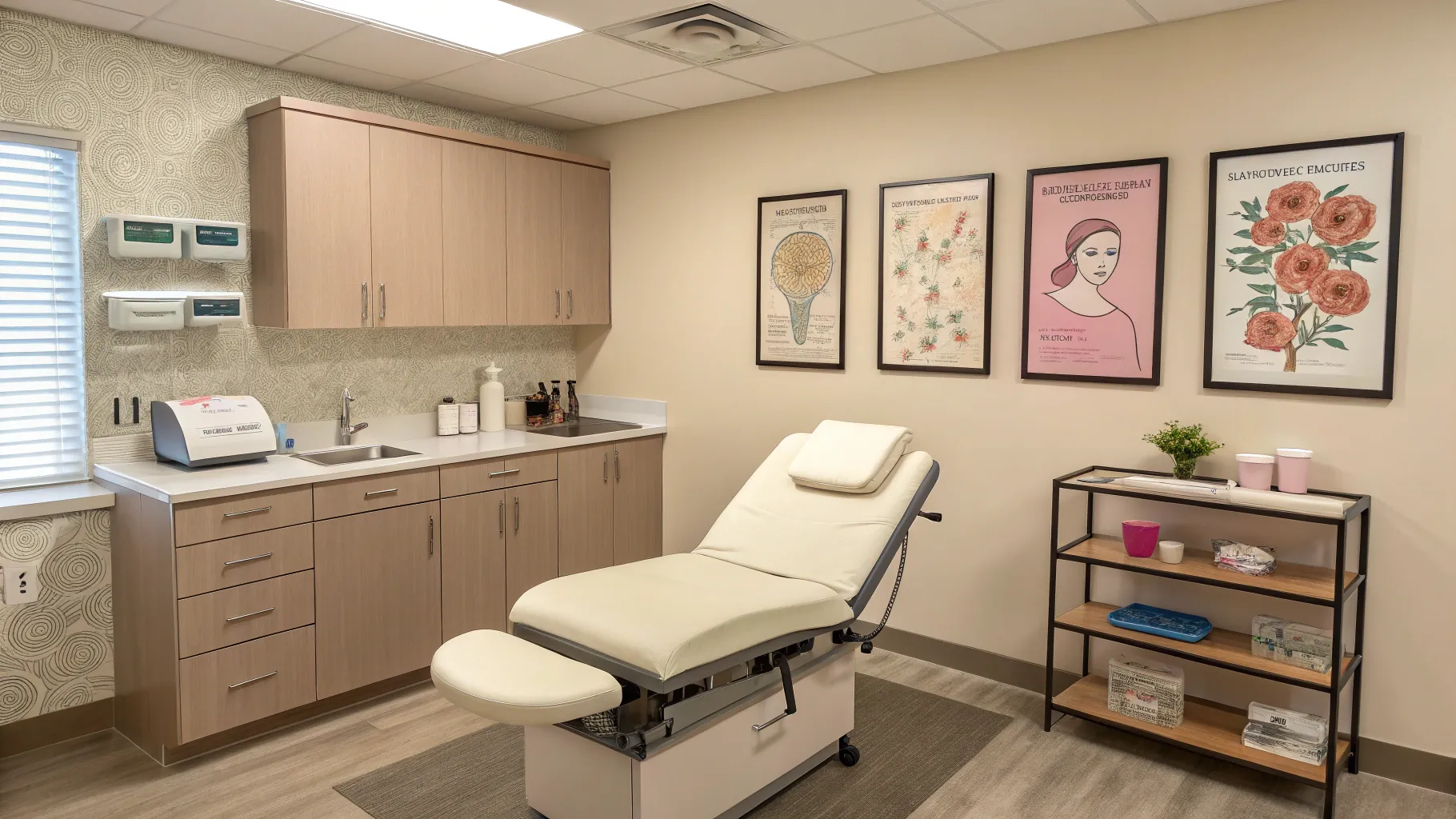
- Physical Examination: The examination will likely include a breast exam and a pelvic exam. During the pelvic exam, you will lie back on an exam chair with your feet in stirrups. The gynecologist will use a speculum to check your vagina and cervix, assessing their condition.
- Pap Smear Test: Depending on your age and health history, you might also undergo a Pap smear, which screens for cervical cancer. It's a quick and critical test.
- Open Discussion: This is your opportunity to ask any questions or express concerns about your body, health, or symptoms. Being open fosters a stronger doctor-patient relationship and can empower you.
To make the most of your visit, consider jotting down your questions beforehand. Many women find that their first gynecologist appointment not only informs them about their health but also serves as a significant step towards body awareness and autonomy.
A Comprehensive Gynecological Check-Up
During a standard gynecological check-up, a gynecologist will typically focus on various aspects of your health, ensuring a thorough evaluation. Here are some of the key areas discussed:
- Menstrual Health: You will discuss the regularity of your menstrual cycle, any pain you experience, and any unusual bleeding.
- Sexual Health: Get informed about safe sex practices and what to look for regarding your sexual health.
- Reproductive Health: The doctor will evaluate your reproductive organs and overall reproductive health.
- Birth Control Advice: The pros and cons of different contraception methods will be reviewed, enabling you to make an informed decision based on your lifestyle and needs.
- STI Assessments: Discuss testing and prevention strategies for sexually transmitted infections to maintain your sexual health.
This thorough approach helps ensure all aspects of your reproductive and sexual health are comprehensively covered. Knowledge is power, and with the right information, you can make informed decisions about your body.
Questions to Ask Your Gynecologist on Your First Visit
Being well-prepared with the right questions can significantly enhance your experience and understanding of your healthcare. Here are some valuable questions to consider during your first appointment:
- What birth control options do you recommend based on my health history?
- How often will I need check-ups in the future?
- Can you help explain the results of my Pap smear or any tests I undergo?
- What symptoms in my menstrual cycle should I be concerned about?
- What steps can I take to maintain my sexual health?
Having a proactive mindset during your appointment not only clarifies your health status but also helps build a trusting connection with your gynecologist, encouraging open communication on future visits.
Preparation Tips for Your Gynecologist Appointment
Your preparation is key in ensuring effective examinations and accurate assessments. Here are crucial things to avoid before heading to your gynecologist appointment:
- Avoid Douching: Douching can disrupt your vagina's natural pH balance, leading to misleading test results.
- Refrain from Vaginal Products: Skip using vaginal creams or medications before your visit, allowing for an unaltered examination.
- Timing Your Appointment: If possible, avoid scheduling your check-up during your period. This helps prevent complications during some parts of the examination.
- Don’t Sweat the Hygiene: While personal hygiene is important, a thorough shower the day before is enough. Your doctor is trained to handle situations no matter what and is not focused on recent cleaning practices.
By mindful of these considerations, your appointment will run more smoothly, allowing your gynecologist to offer the best care and support based on your unique needs.
Ultimately, visiting your gynecologist is a critical part of managing your healthcare. It represents a step towards empowerment and responsibility in monitoring your reproductive health and well-being. Whether it’s for educational purposes or seeking specific medical advice, your gynecologist is an invaluable ally in your health journey.
Authored by 24Trendz team